Maserati’s India announcement is about more than four cars. The updated Grecale, GranTurismo and GranCabrio arrive alongside the GT2 Stradale’s local debut and a new Mumbai retail and service home with Navnit Maserati. Together, they give the Trident brand a broader showroom story and a clearer promise of aftersales support in Western India.
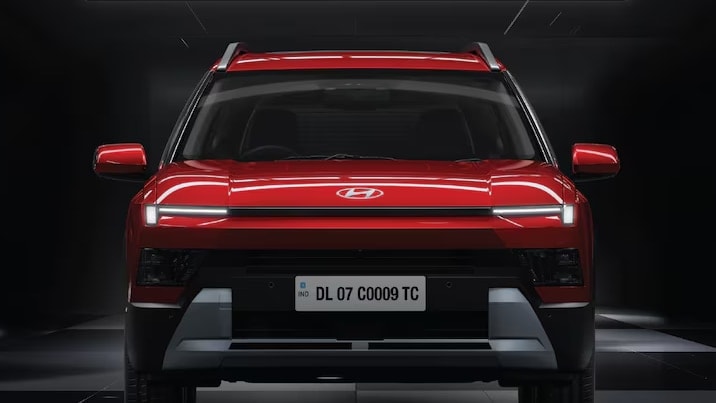
Hyundai has launched the Bayon with a 1.5 litre petrol engine, manual and IVT transmissions, and a cabin shaped around connected technology. Its introductory starting price is ₹9,99,900, bringing a new choice to India’s mid size SUV market.
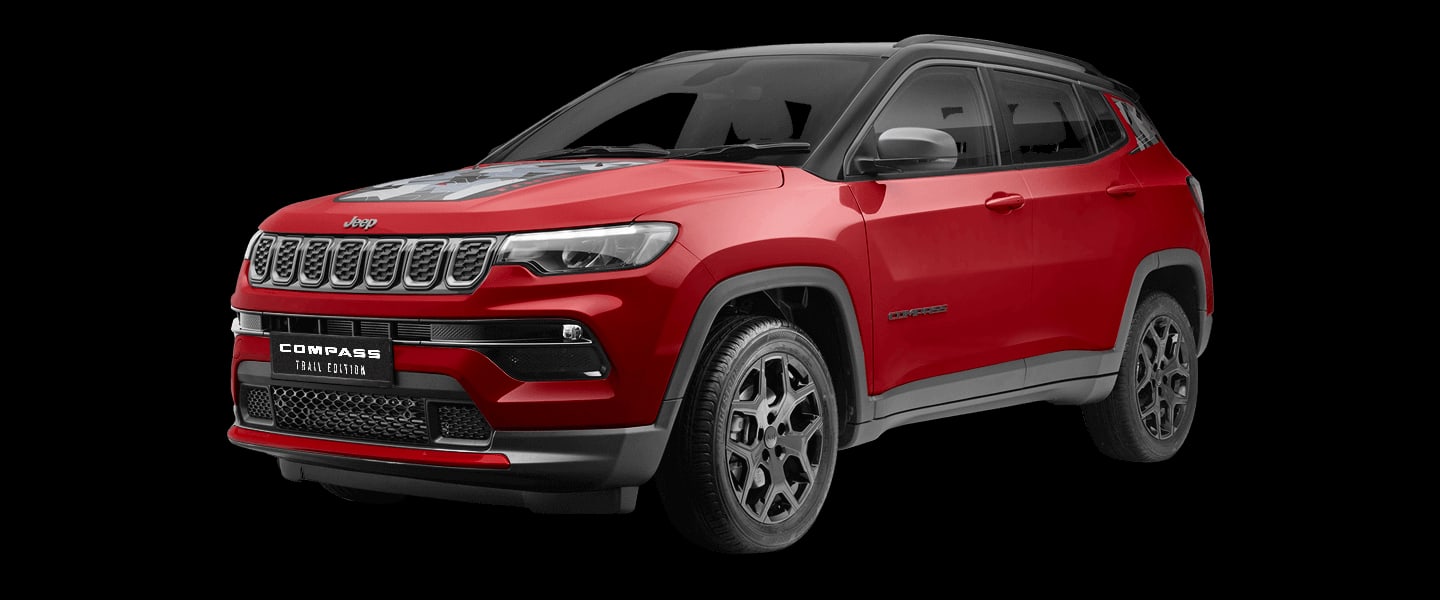
The new Compass Sport FWD pairs Jeep’s 2.0 litre diesel with a nine speed automatic and brings two pedal driving to the entry variant for ₹21.99 lakh ex showroom. Deliveries are scheduled to begin in the second week of November.
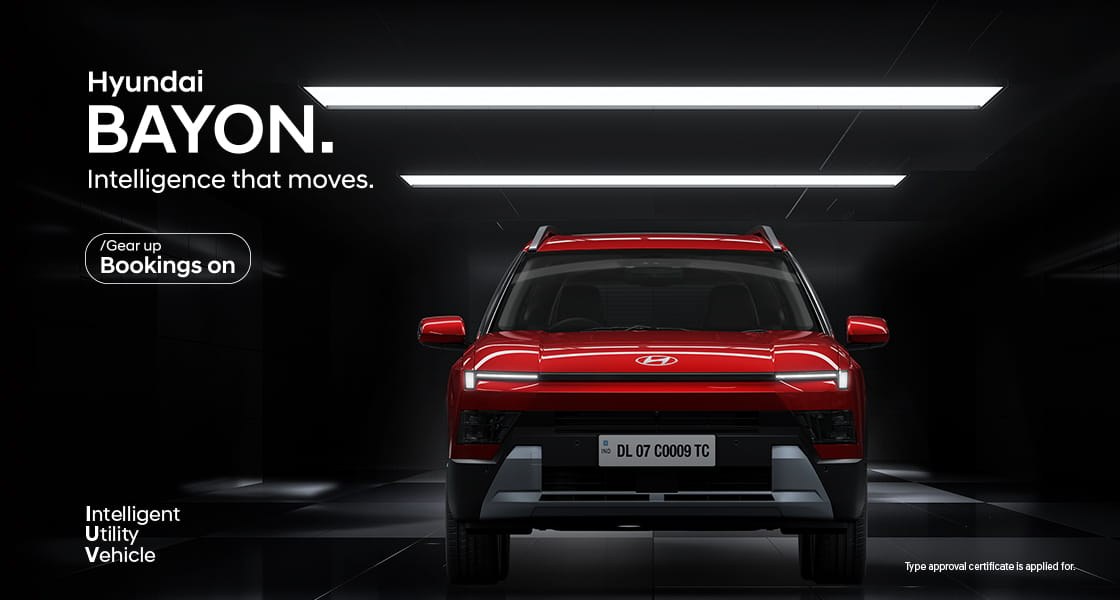
Hyundai will reveal its India-spec Bayon on 26 October, with bookings already open for ₹11,000. The company has confirmed a 1.5-litre petrol engine and a technology-heavy cabin, but pricing is still to come and the promises will matter most when they meet ordinary Indian roads.
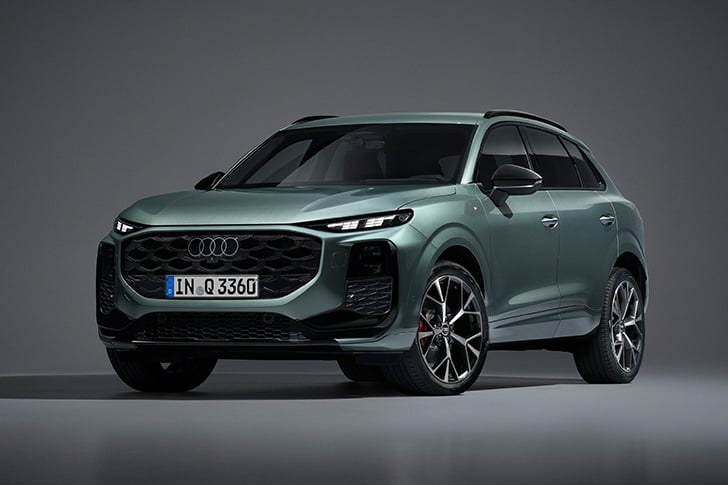
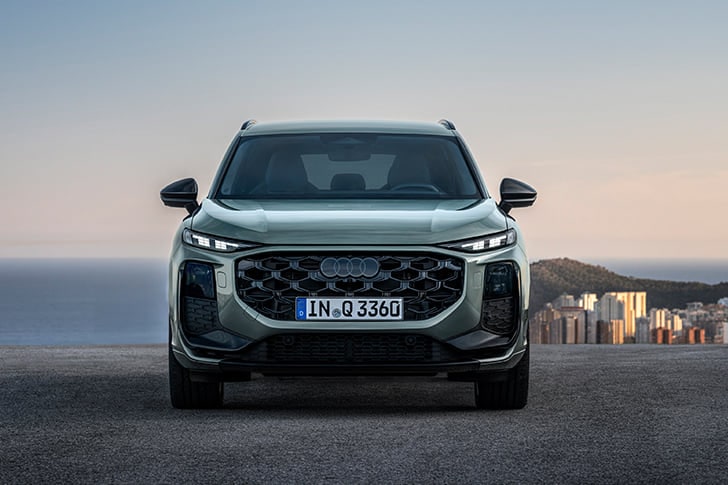
Audi has launched the third-generation Q3 in India from ₹51.99 lakh. Local assembly, a 204hp turbo-petrol engine and quattro all-wheel drive give its compact luxury SUV a substantial new chapter.
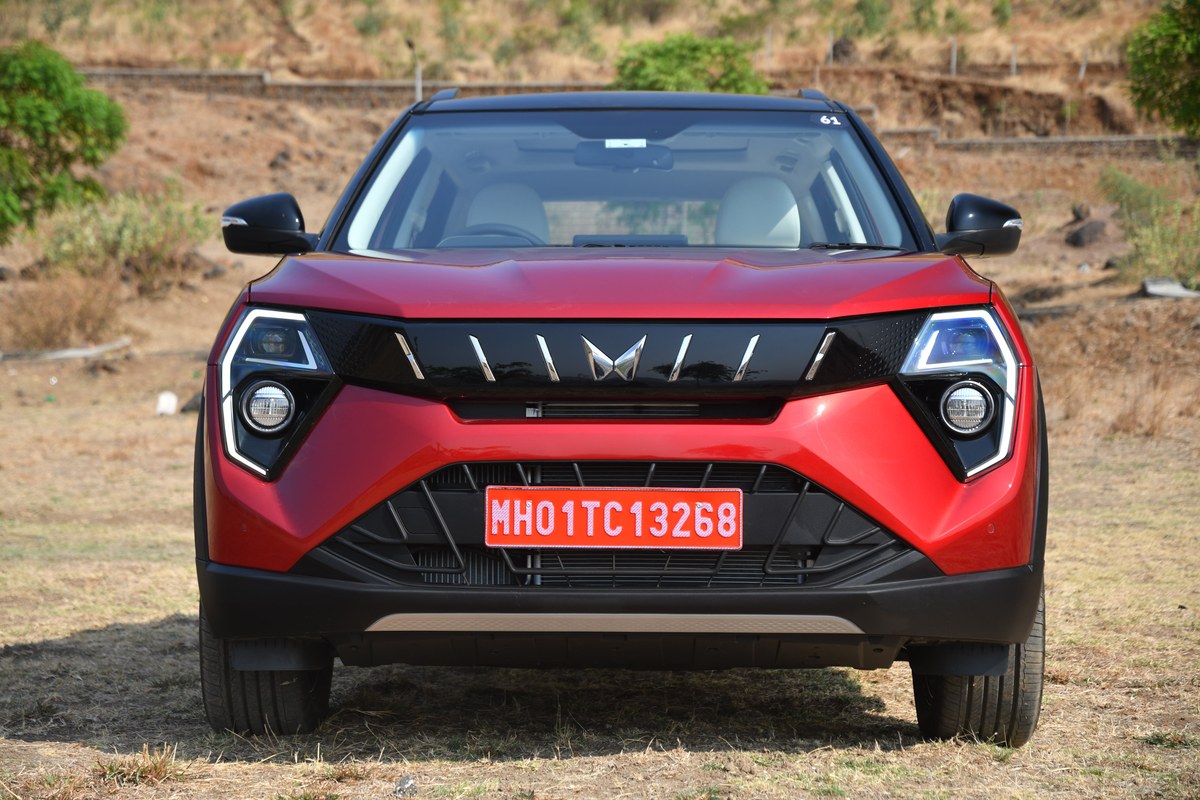
The XUV 3XO ZNG pairs a turbo-petrol engine with factory-fitted CNG, retaining 200Nm in either fuel mode and packaging twin cylinders beneath the luggage floor.
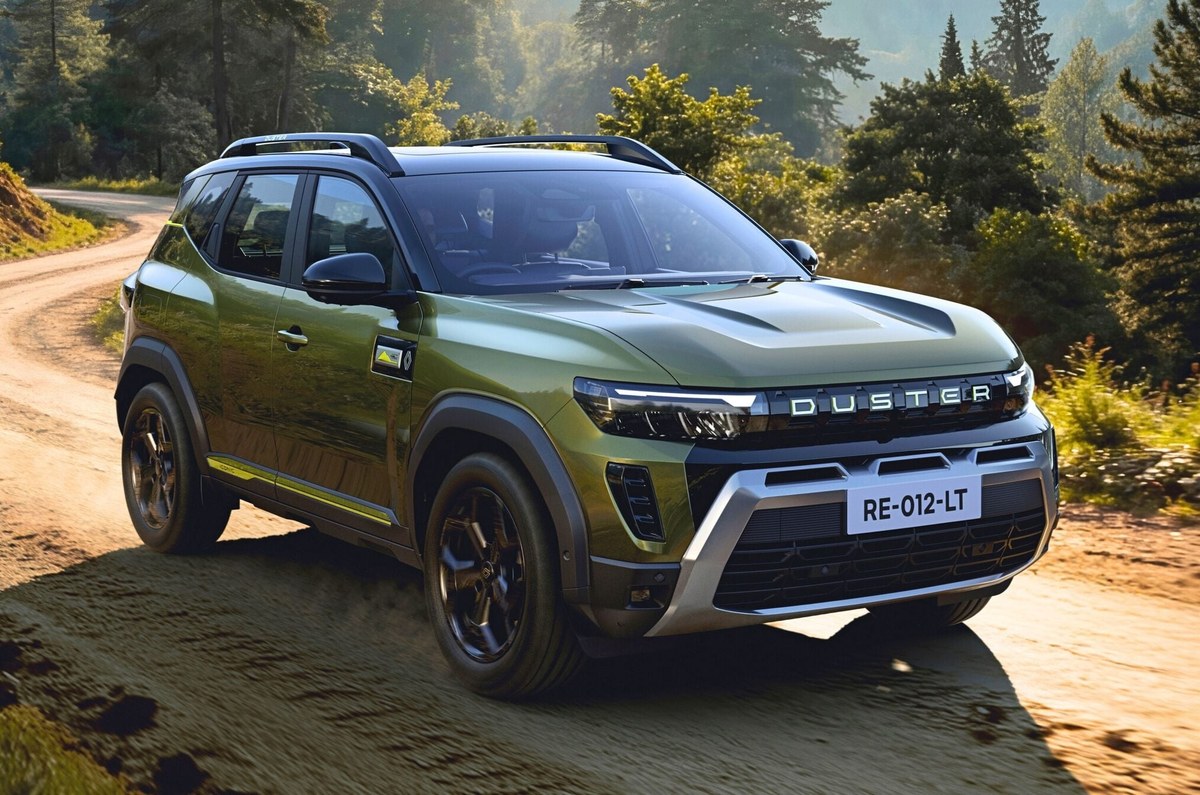
Renault’s new Duster Strong Hybrid E-Tech 160 brings a 1.8-litre petrol-electric system, a 1.4kWh battery and a claimed 29km/l efficiency figure to the India range.
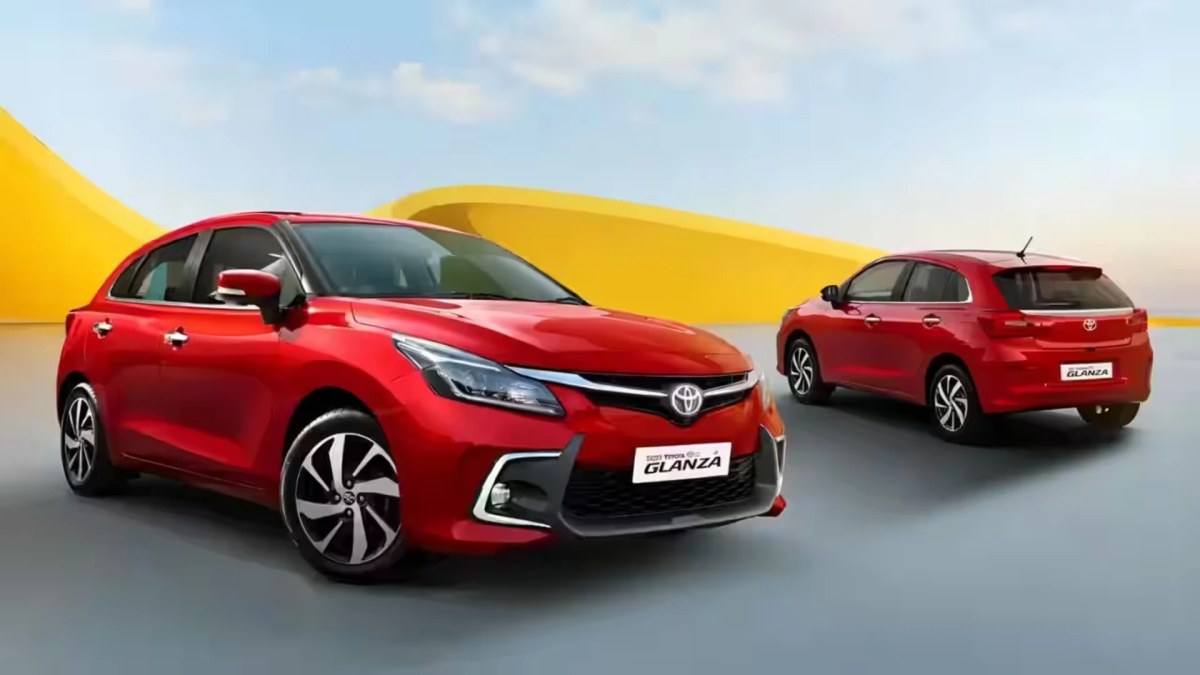
Toyota’s Glanza facelift, the new Audi Q3 and Renault’s Duster Strong Hybrid arrived in the same October news cycle. Their prices and purposes occupy different parts of the market, but together they show how much technology and choice now sit inside the ordinary question of what to drive next.
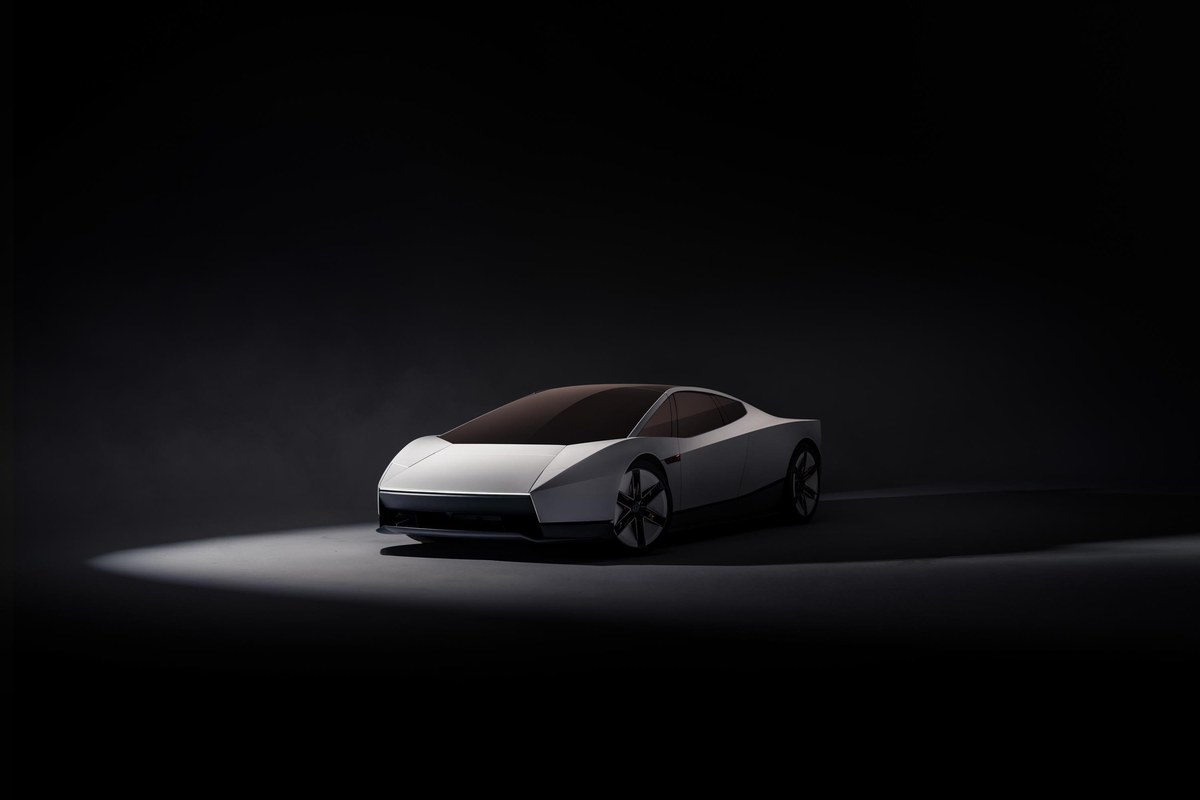
Nine years after its concept first appeared, Tesla has returned with an electric sports car whose reveal used fans, compressed-air thrusters and an airborne prototype. It felt like a moment from the future. The production car, its performance and its place on public roads still have to be proved.
Toyota has refreshed its premium hatchback with a three-cylinder petrol engine, new safety technology and a broader CNG automatic choice. The five-grade range starts at ₹6.99 lakh ex-showroom.
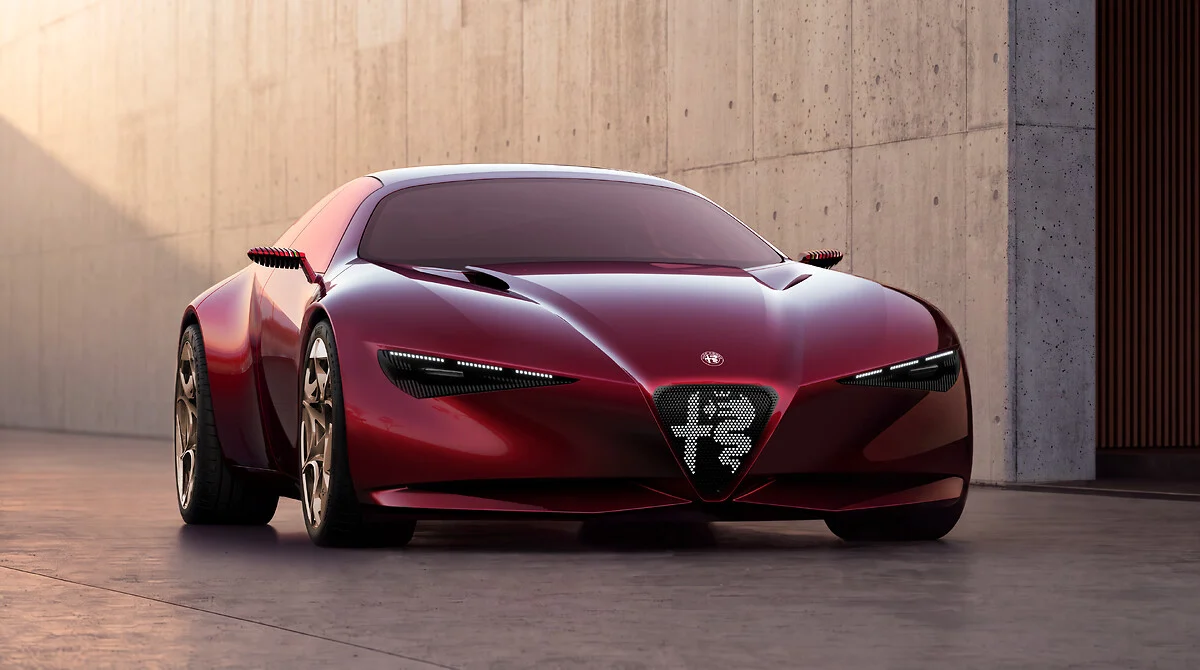
Alfa Romeo’s 4.7-metre 2+2 concept is a study in proportion, touch and driver connection. The brand calls it a manifesto for future models, with several possible energy paths and a V6 hybrid described only as an imagined Quadrifoglio expression.
Two world-premiere concepts give Peugeot different ways to talk about performance. The E-T16 reaches back to the 205 T16, while the RCZ Vision explores a high-voltage electric coupé. Both remain visions, with the production E-208 GTi and 9X8 adding a present-day motorsport thread to the Paris display.
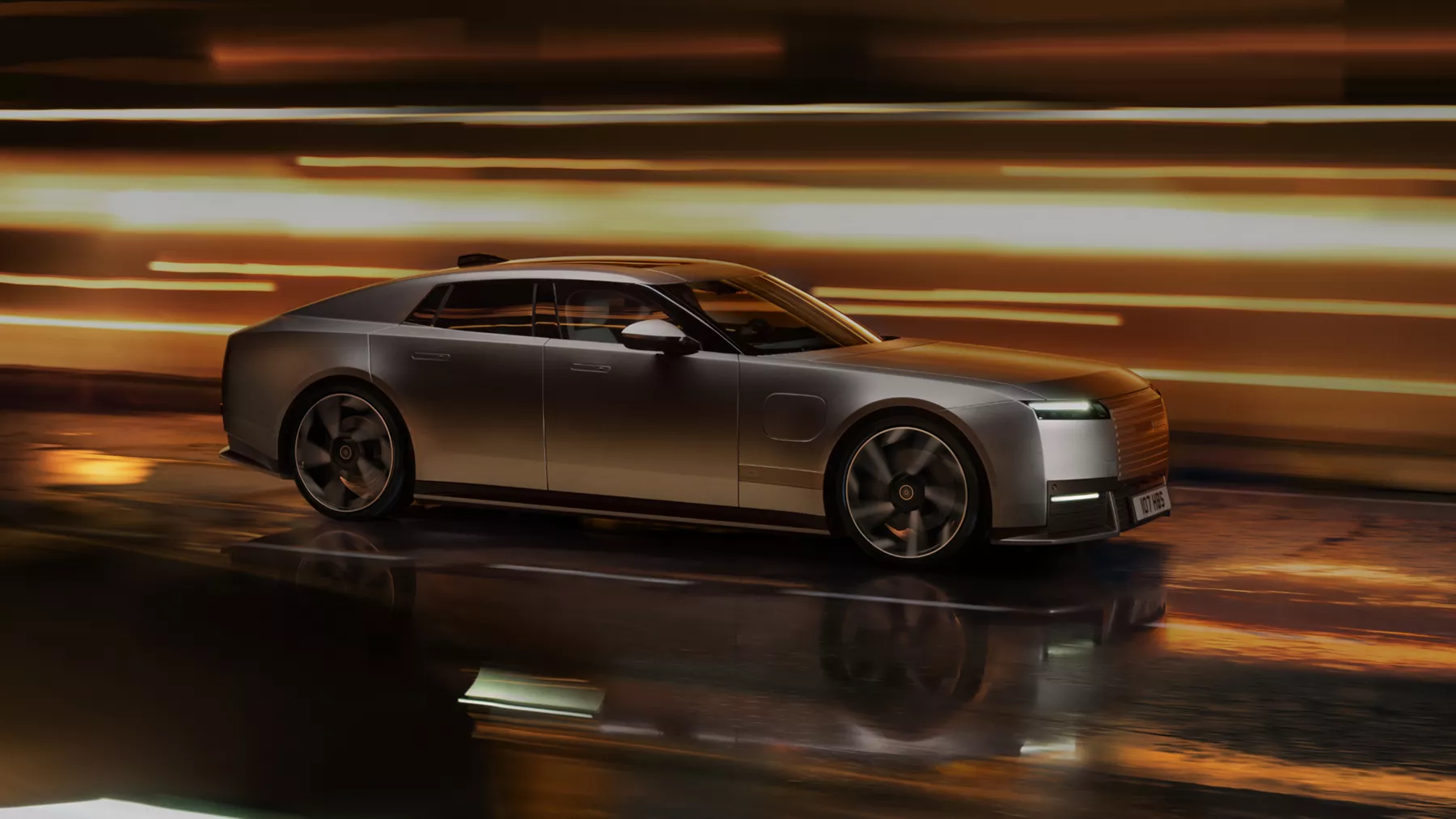
Jaguar’s first new-era production car turns the Type 00 concept into a four-door electric GT with immense scale, a low roof and a silhouette that refuses to blend into traffic.
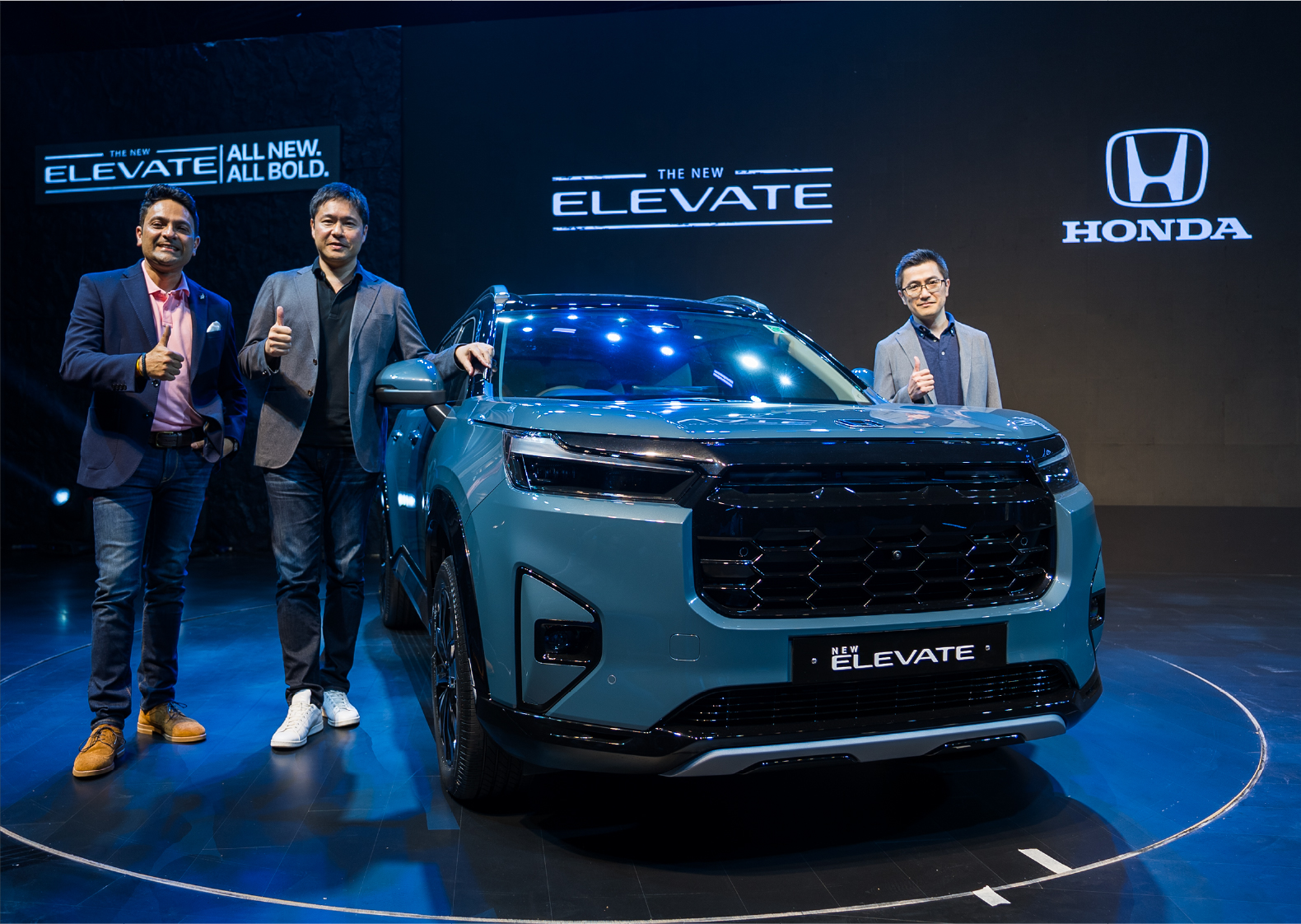
India is the first market to launch Honda’s refreshed global SUV. A bolder face arrives with ventilated front and rear seats, a 360-degree camera, new cabin comforts and the familiar 1.5-litre i-VTEC beneath the bonnet.
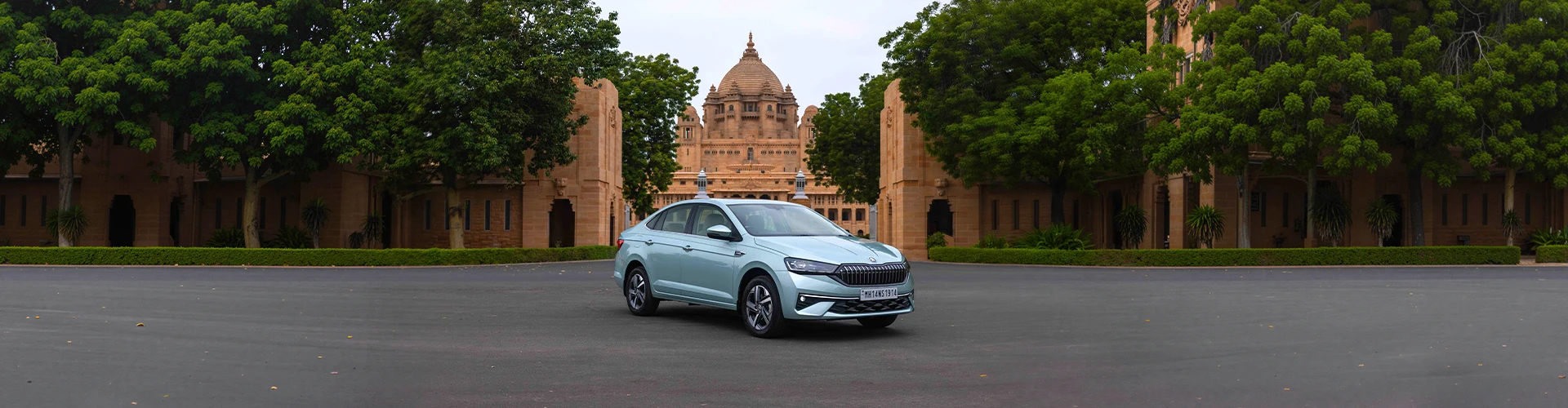
Prices begin at ₹9.99 lakh, deliveries start next week, and the new sedan adds a segment-first eight-speed automatic for its 1.0 TSI, rear-seat massage, 360-degree views and a wider choice of trims.
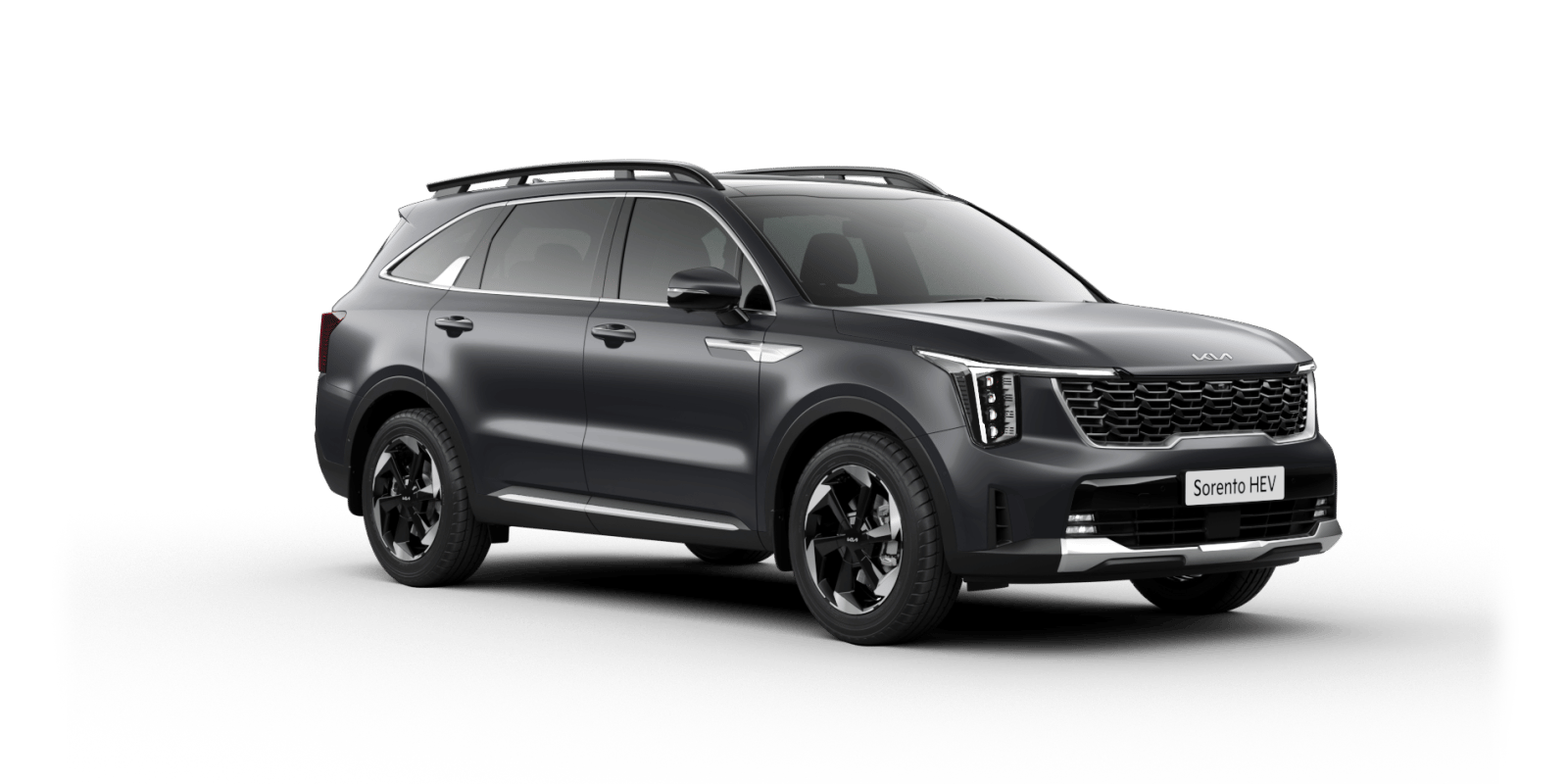
Kia has launched the India-spec Sorento from ₹27.99 lakh, bringing a locally produced six- or seven-seat SUV with hybrid and diesel powertrains into the premium family market.
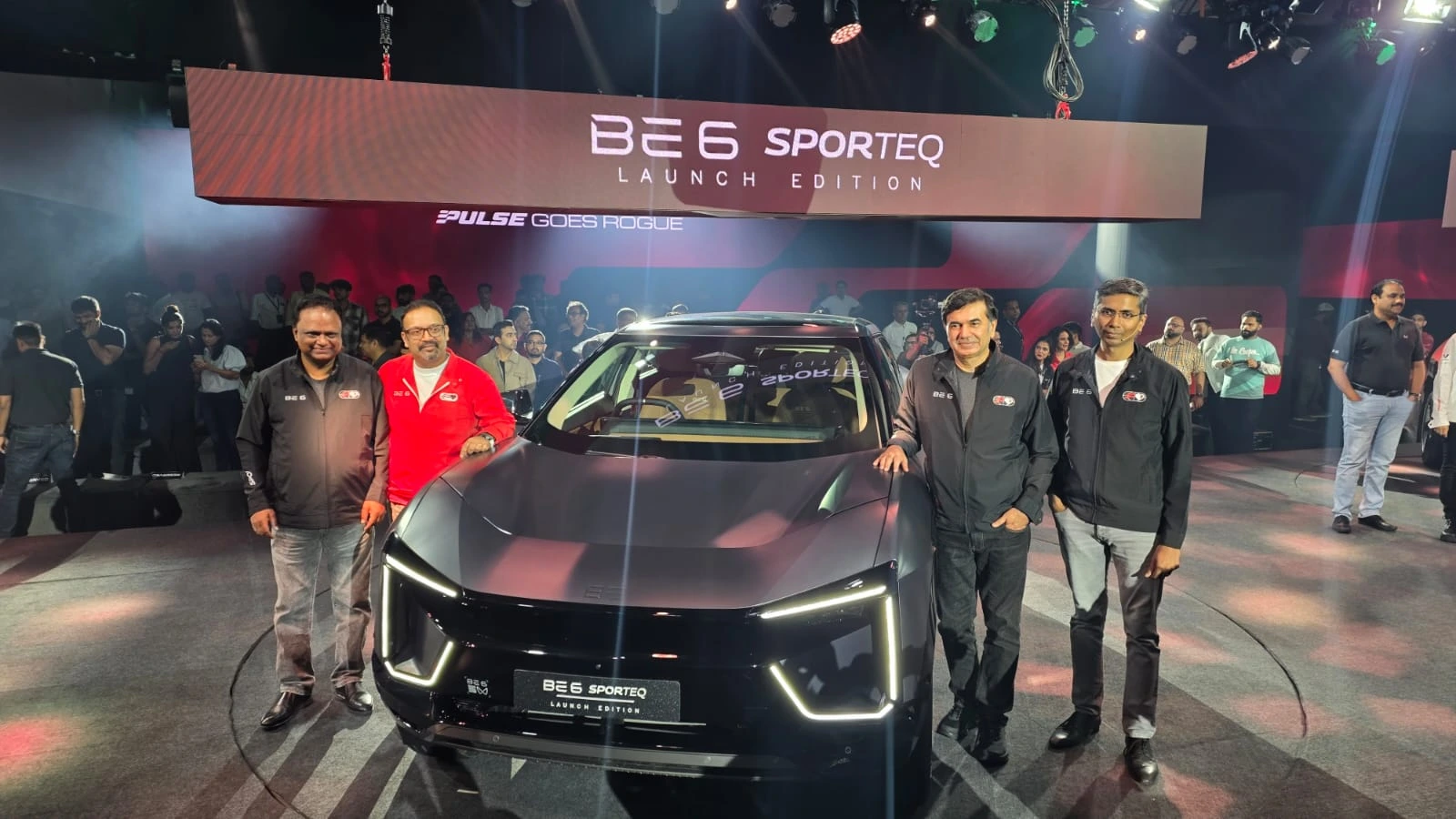
The BE 6 SPORTEQ, XEV 9S and XEV 9e can now be bought through Mahindra’s dual-financing Battery-as-a-Service model, lowering the upfront price while keeping the battery as a separate finance line.
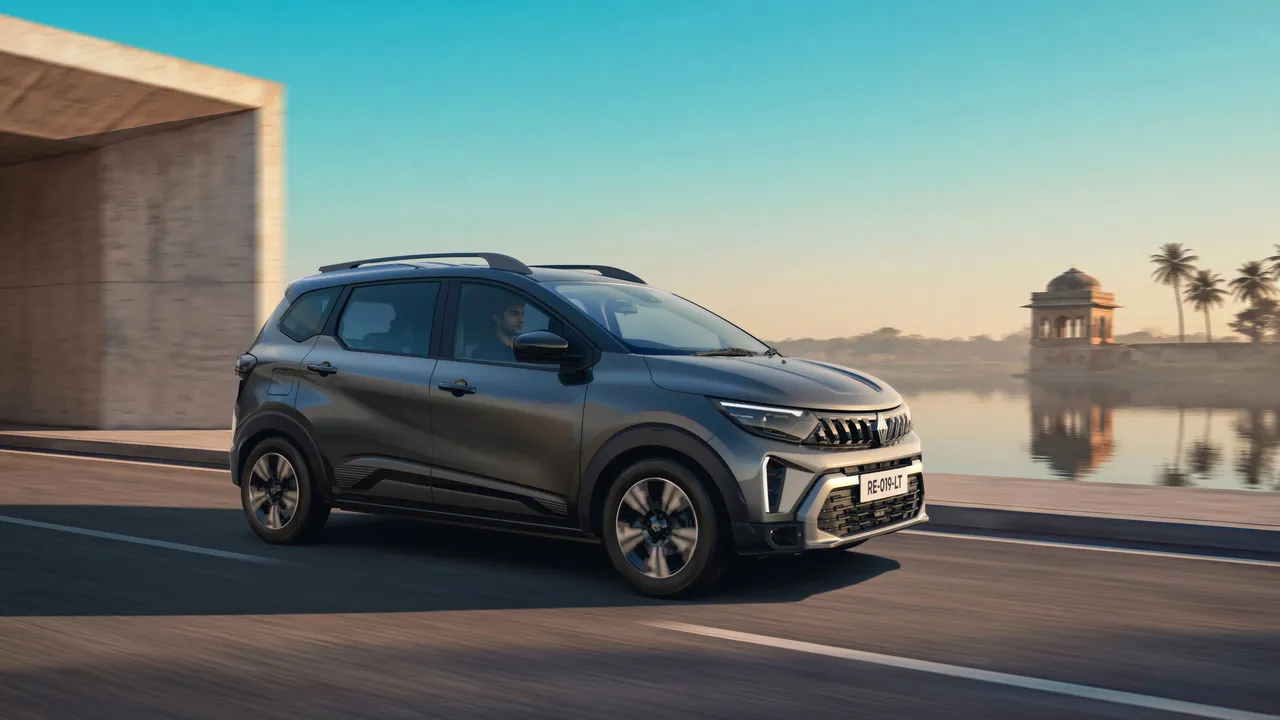
The seven-seat Triber gains a 1.0-litre turbo petrol engine with 100PS and 180Nm, a five-speed manual gearbox and a Renault-claimed 21km/l. The new engine starts at ₹7.84 lakh ex-showroom.
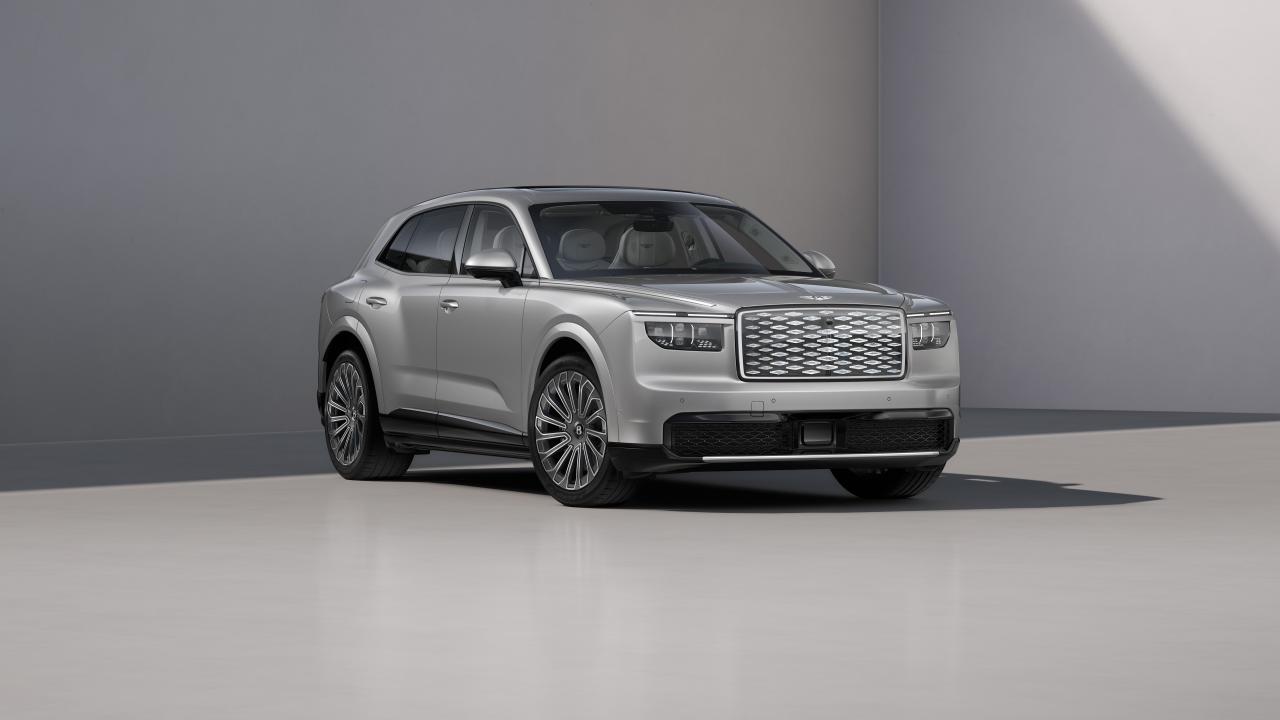
The Torcal made its world debut on 23 September as Bentley’s first fully electric production model. The range includes an 821PS Core and an 888PS S, with a 113.2kWh battery and a claimed maximum WLTP range of up to 600km.
Tata’s new compact sedan starts at an introductory ₹5.29 lakh ex-showroom and tops out at ₹9.74 lakh. It replaces the Tigor with a 1.2-litre petrol engine, a factory CNG option and bookings open ahead of deliveries from 11 October.
The Thar OG starts at Rs 10.32 lakh and reaches customers from 11 October, bringing a revised platform, suspension and cabin to Mahindra’s three-door off-road formula.
The seven-seat Carens and Carens Clavis gain factory CNG versions with a 1.5-litre engine, six-speed manual gearbox and a 60-litre tank mounted below the boot floor.
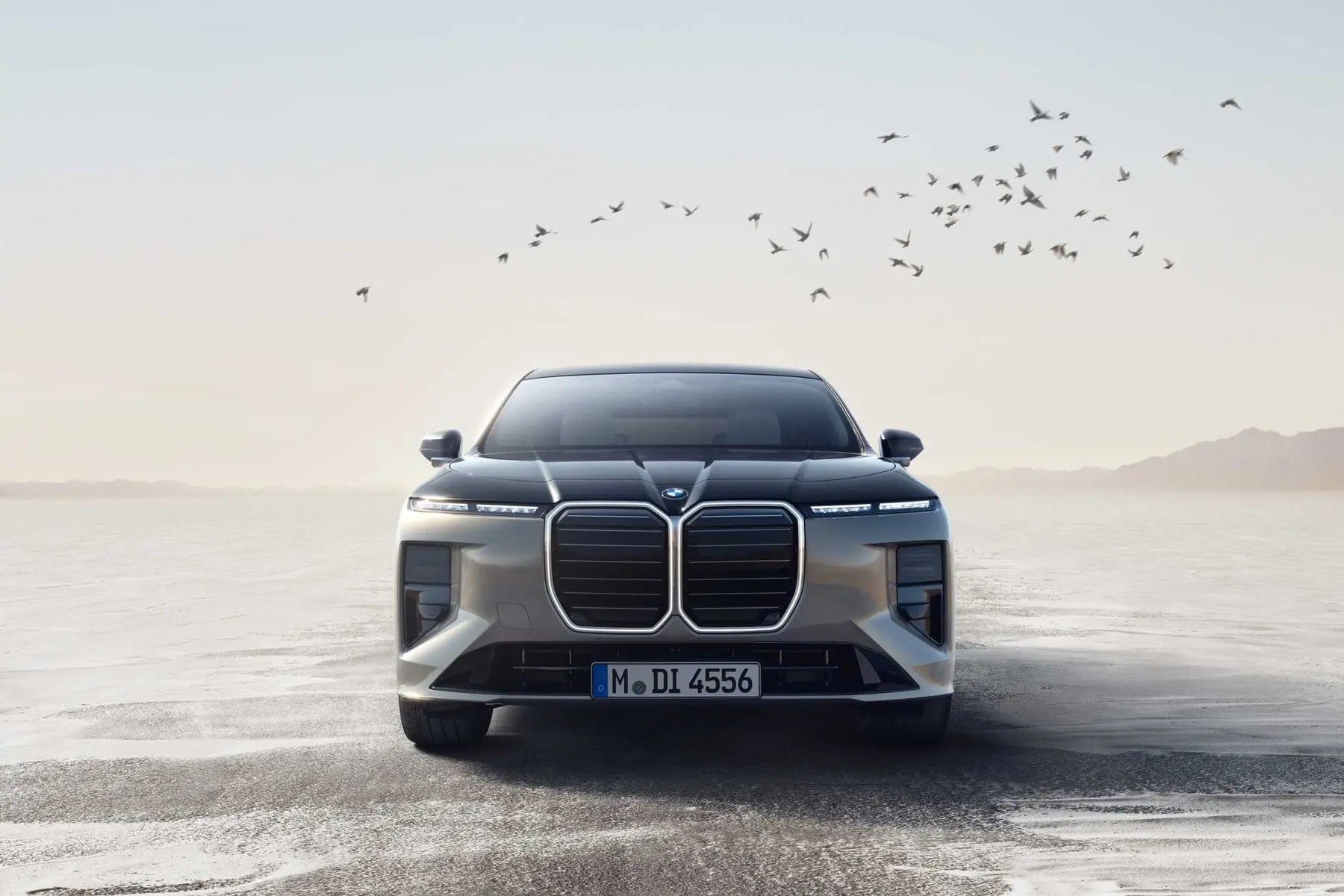
BMW has launched the new 740 M Sport and i7 50 xDrive M Sport at ₹1.95 crore each, with the 680 hp i7 M70 xDrive completing the flagship range at ₹2.65 crore.
JSW Group and Volkswagen Group have signed a non-binding memorandum to explore a proposed 51:49 Indian passenger-vehicle joint venture covering localisation, future products and manufacturing strength.
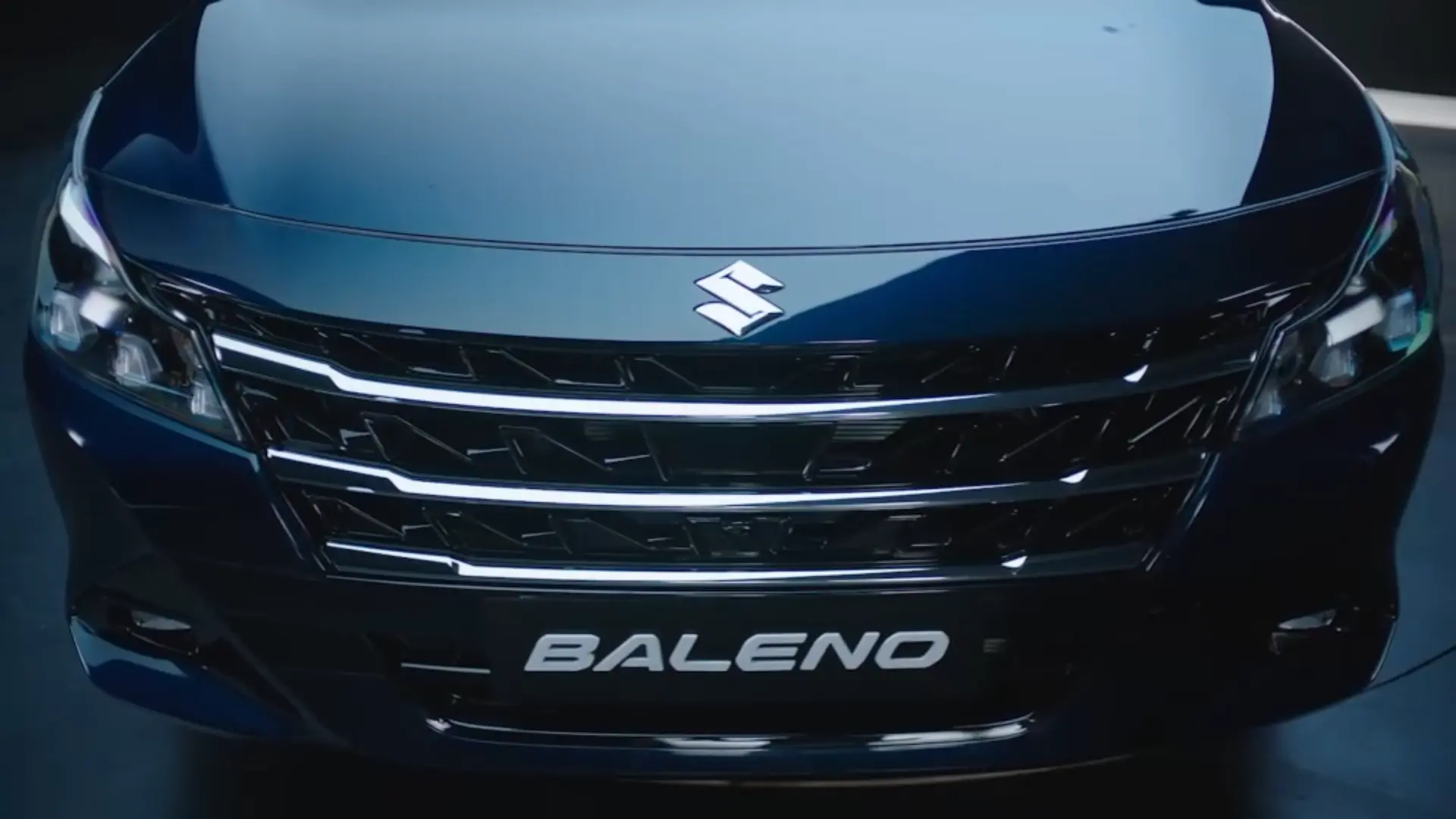
The 2026 Baleno starts at ₹6.10 lakh and adds Level 2 driver assistance, ventilated front seats, a new three-cylinder petrol engine and a carefully reworked front end.
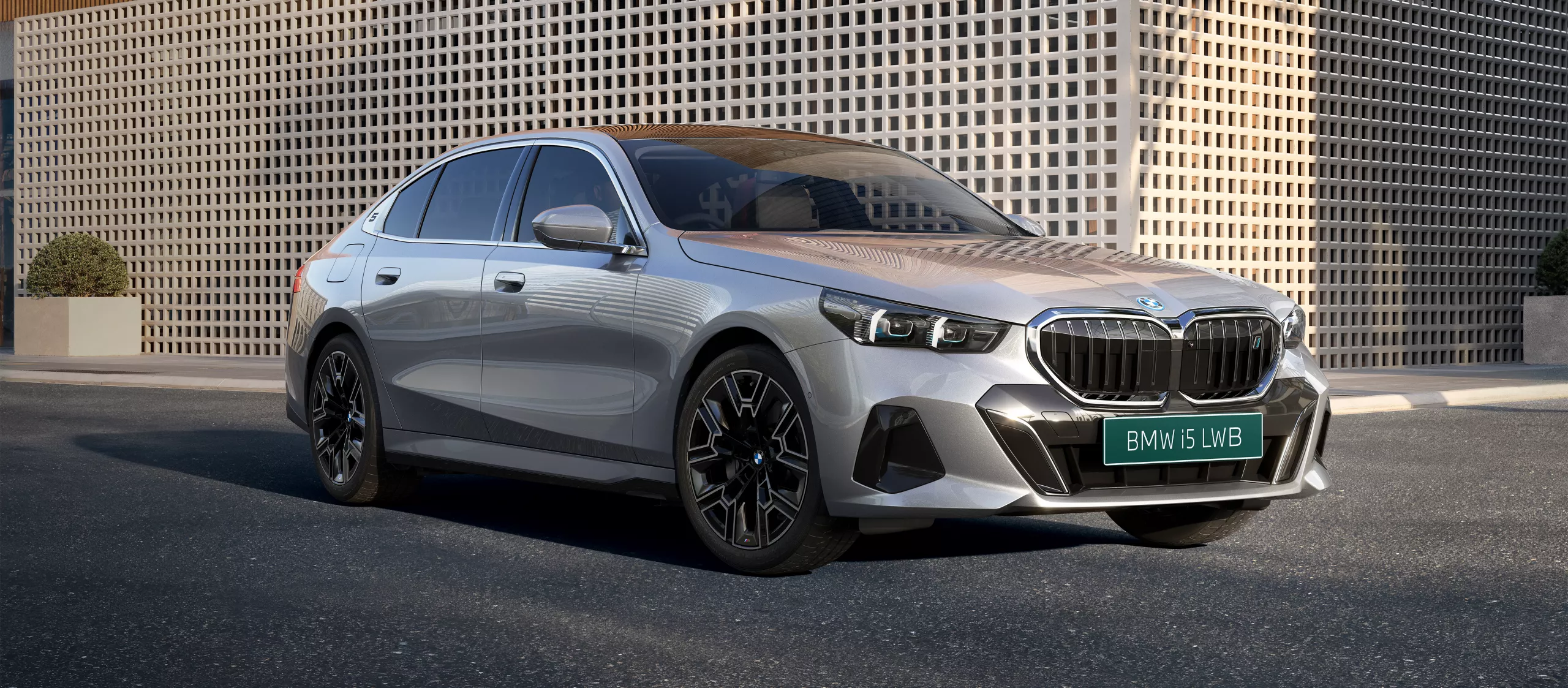
BMW India has launched the i5 Long Wheelbase at ₹79.60 lakh, bringing local production, a 669 km MIDC range claim and a longer electric executive-sedan cabin to the Indian market.
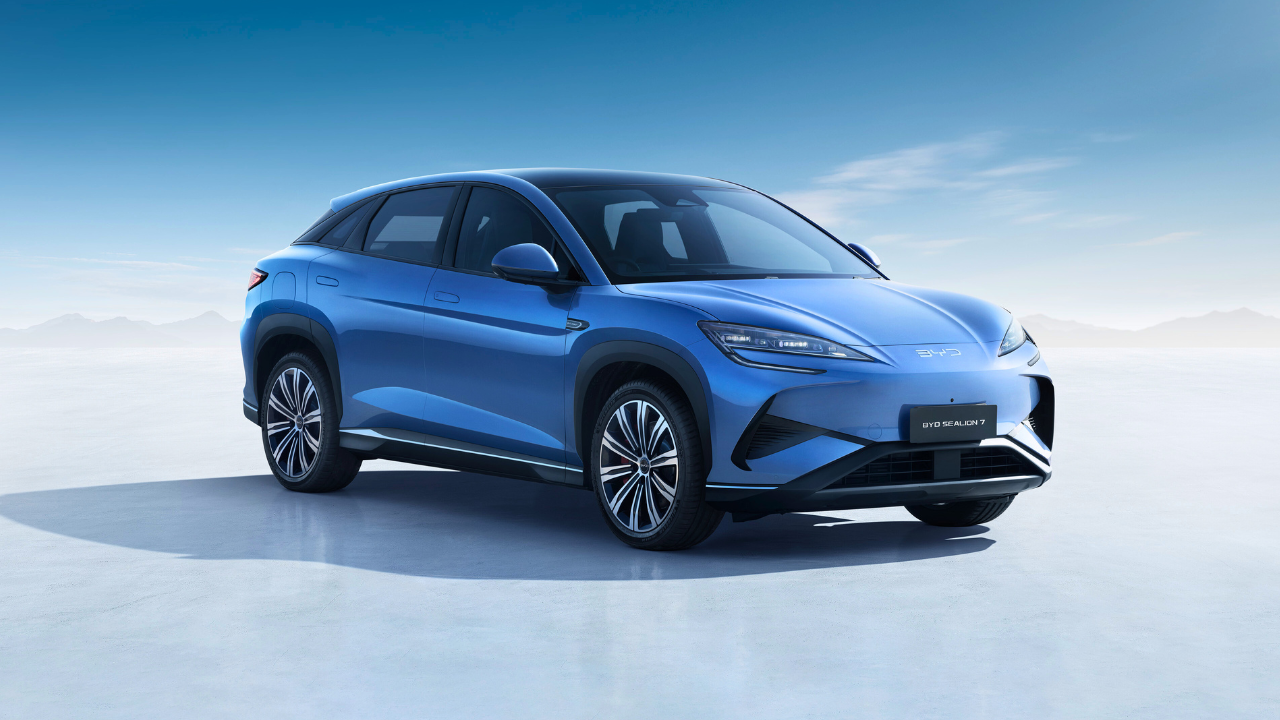
The new SEALION 7 Dynamic joins BYD India’s electric SUV line-up at an introductory ₹41.90 lakh, giving more buyers a route into the SEALION 7 family.
The new BE 6 SPORTEQ adds a three-screen cockpit, Gemini-powered voice assistance and software-led entertainment to Mahindra’s electric performance SUV.
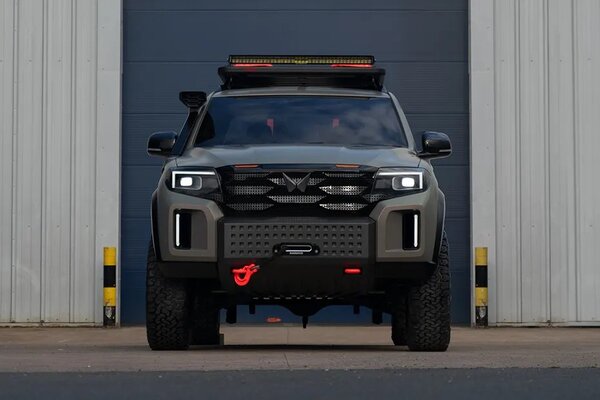
Mahindra has unveiled the production-ready Scorpio Lifestyler, a lifestyle pickup built from the Scorpio-N platform and shaped by the Global Pik Up concept.
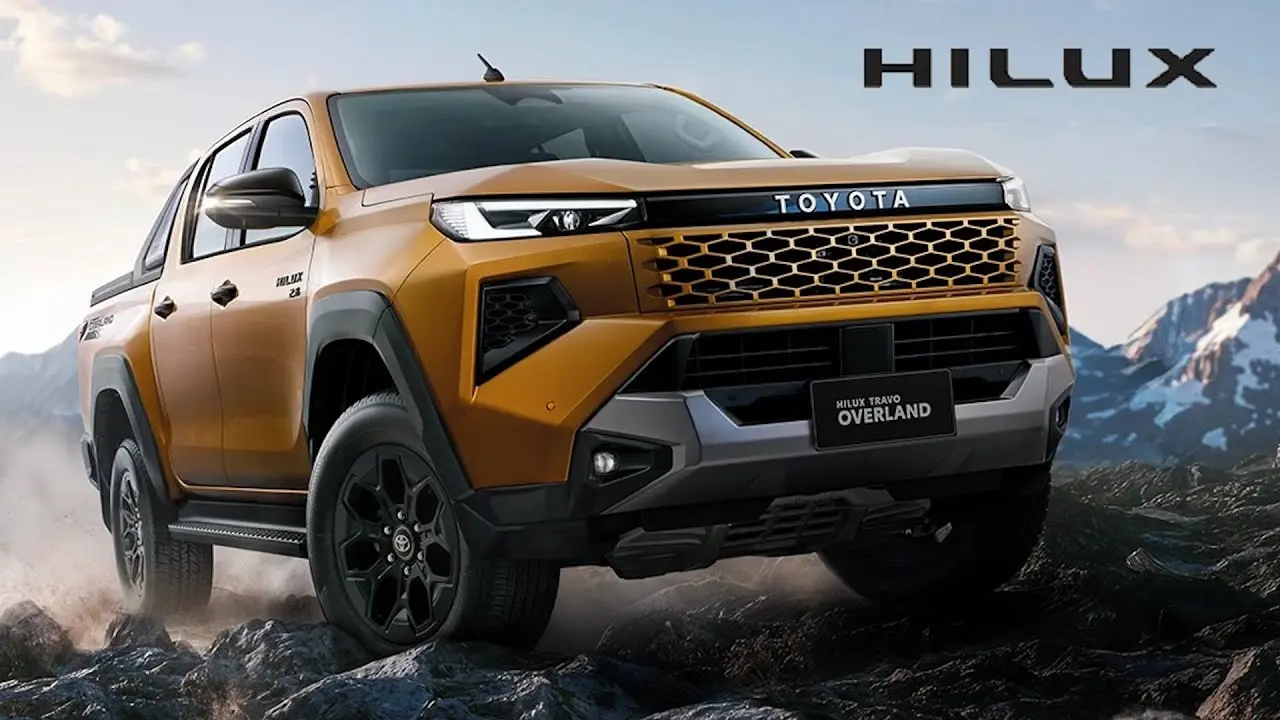
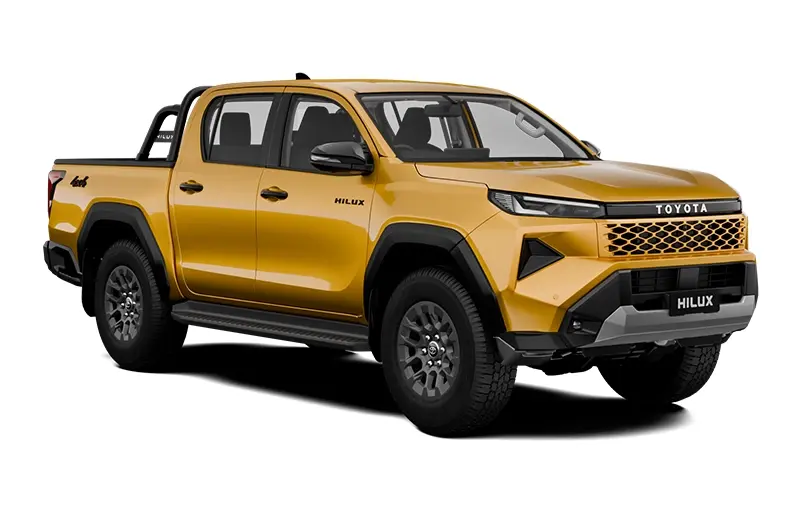
Toyota has added a lower priced two-wheel-drive automatic to the Hilux range, opening the pickup to buyers who want its shape and cabin for everyday use.
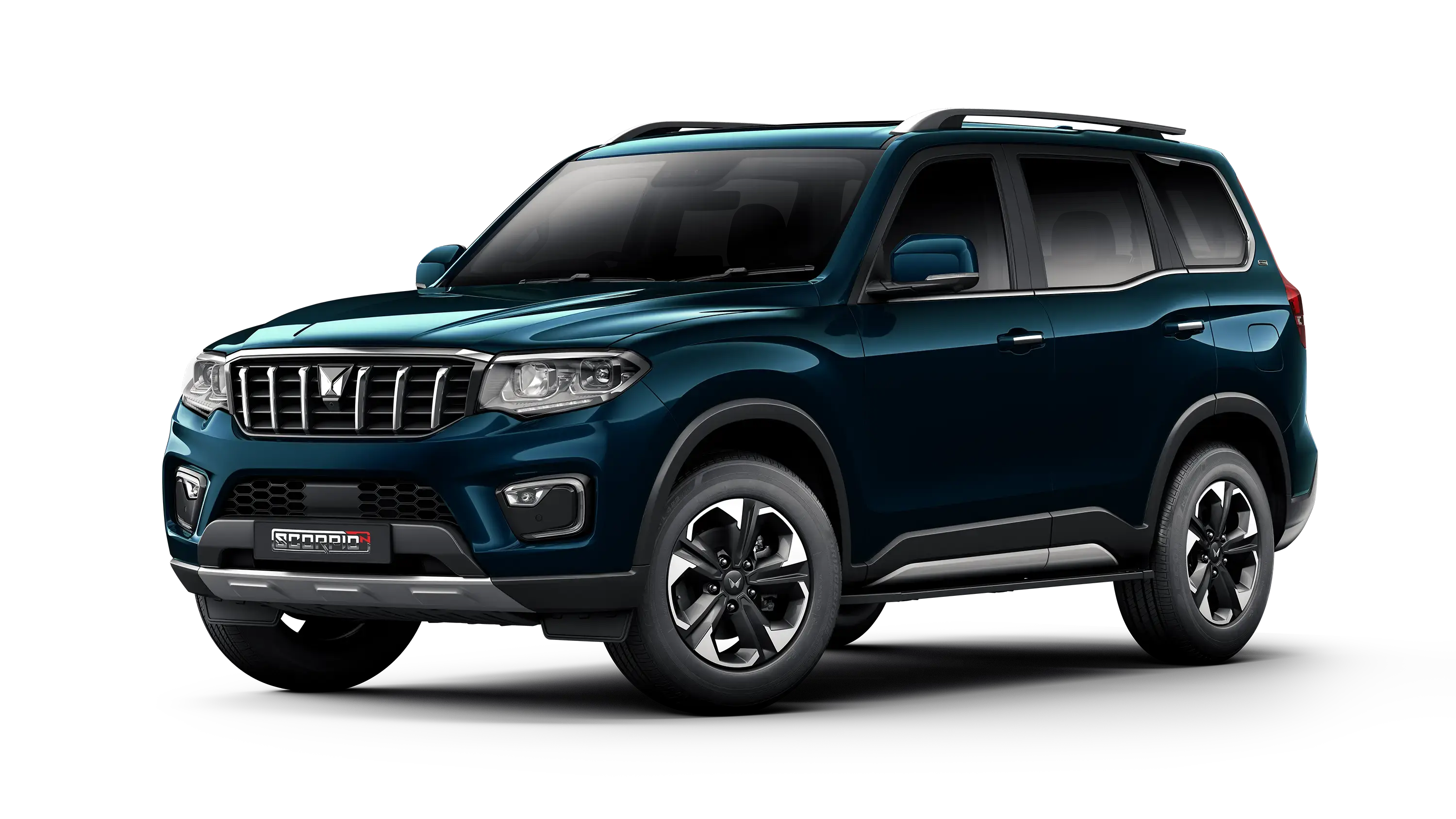
A panoramic Skyroof, a 540-degree camera system and larger screens lead Mahindra’s latest Scorpio-N upgrade, while preserving the SUV’s fundamental character.