JSW and Volkswagen Group Sign India MoU as Škoda and VW Seek a Larger Future
JSW Group and Volkswagen Group have signed a non-binding memorandum to explore a proposed 51:49 Indian passenger-vehicle joint venture covering localisation, future products and manufacturing strength.
- Parties
- JSW Group · Volkswagen Group
- Status
- Non-binding memorandum of understanding
- Proposed structure
- JSW 51% · Volkswagen 49%
- Talks now cover
- Valuation, tax liabilities, products and localisation
- Target
- Binding agreement by the end of 2026
- Indian portfolio context
- Škoda Slavia, Kushaq, Kylaq · Volkswagen Taigun, Virtus
JSW Group and Volkswagen Group have signed a non-binding memorandum of understanding to explore a new Indian passenger-vehicle joint venture. The proposed structure gives JSW a 51 per cent stake and Volkswagen 49 per cent, with the two sides now entering exclusive discussions around valuation, tax liabilities, localisation and the future shape of the business.
The agreement is a significant development for India’s car market because it brings together an industrial group that already has a major automotive partnership through JSW MG Motor India and a global manufacturer whose Skoda and Volkswagen brands have spent years building a local production base. Reuters reported on 9 September that the proposed partnership is intended to improve product breadth, local sourcing and manufacturing strength. Economic Times reported the non-binding MoU and the proposed 51:49 structure on the same day.
A proposal, not a completed takeover
The important word in the announcement is proposed. The MoU begins a period of exclusive negotiations, and the final arrangement still depends on valuation work, due diligence, tax discussions and a binding agreement. The target reported by the two current accounts is the end of 2026. Until that agreement is signed and the necessary approvals are completed, the ownership structure remains under discussion.
That distinction matters for customers and dealers. The Skoda and Volkswagen brands continue to operate through the existing Indian company, and the current model range remains in place. The news points towards a possible new chapter for the business, though it does not announce an immediate change to a badge, showroom, warranty or product price.
The local portfolio already gives the proposal substance
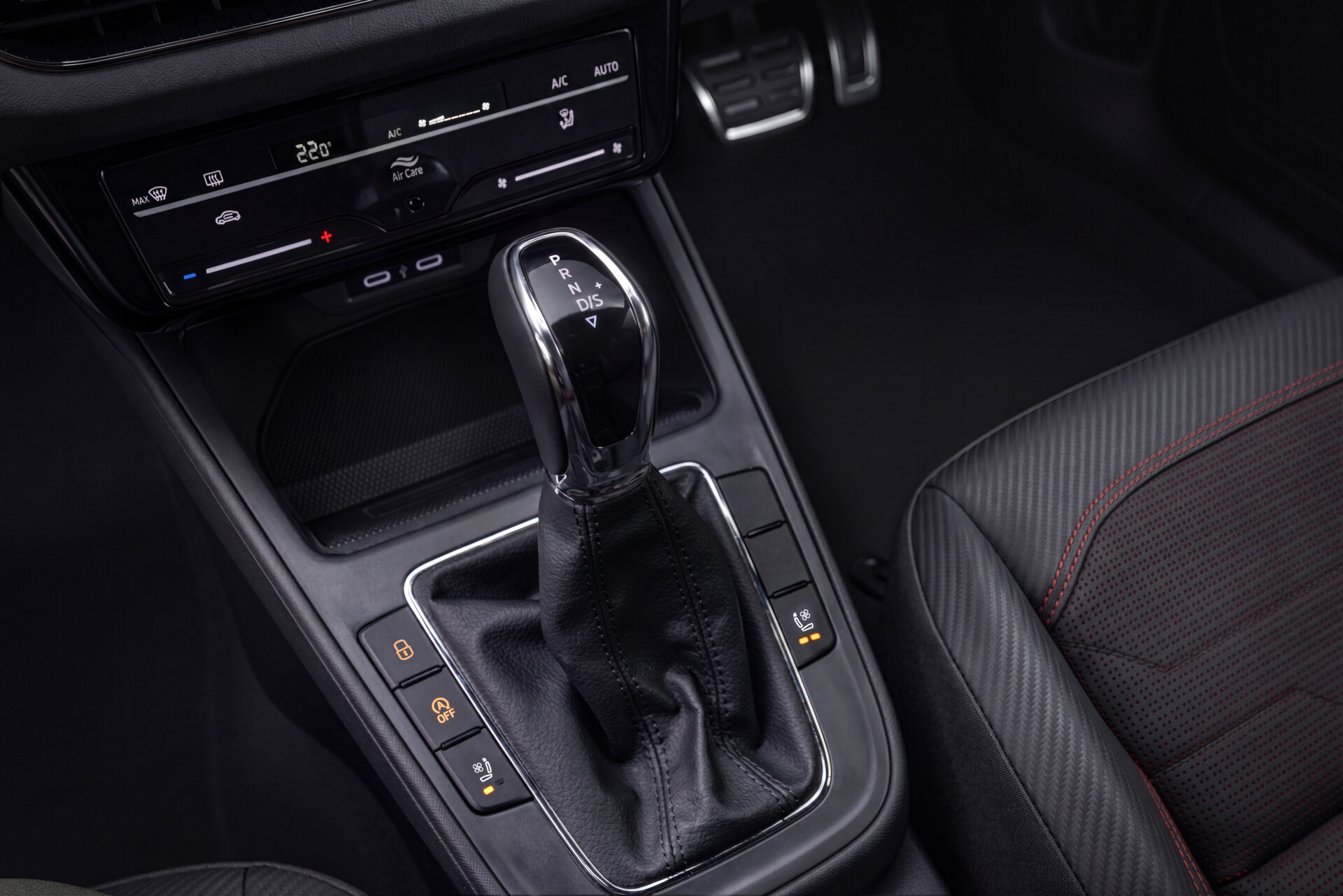
Škoda’s India portfolio shows why local product development sits close to the centre of the conversation. The updated Slavia was unveiled on 18 August with a revised design, a new eight-speed torque-converter automatic for the 1.0 TSI and a Rear Seat Massage function. The company says the locally developed saloon has reached nearly 80,000 sales and is exported to markets including Vietnam, the Middle East and Africa.
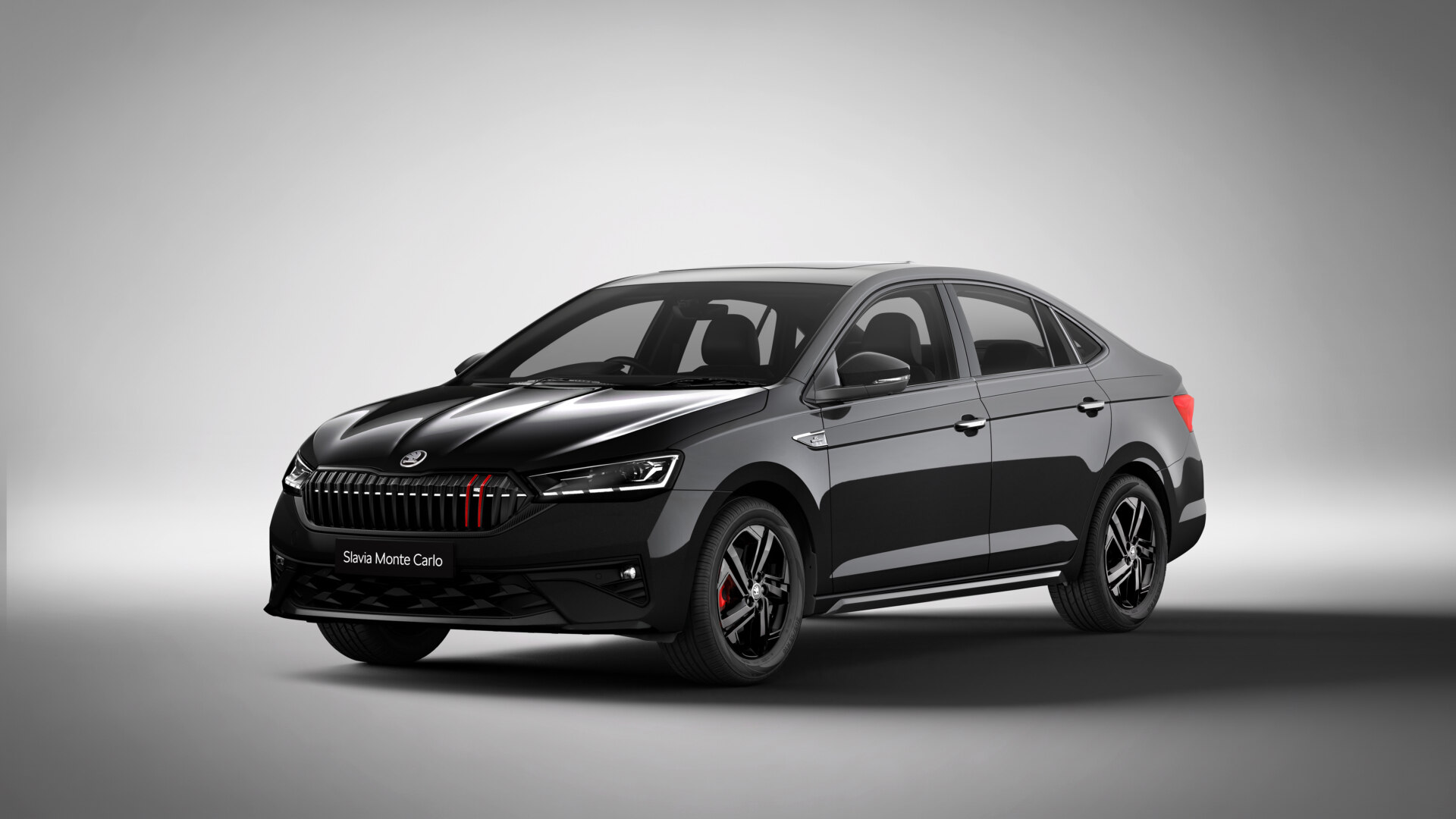
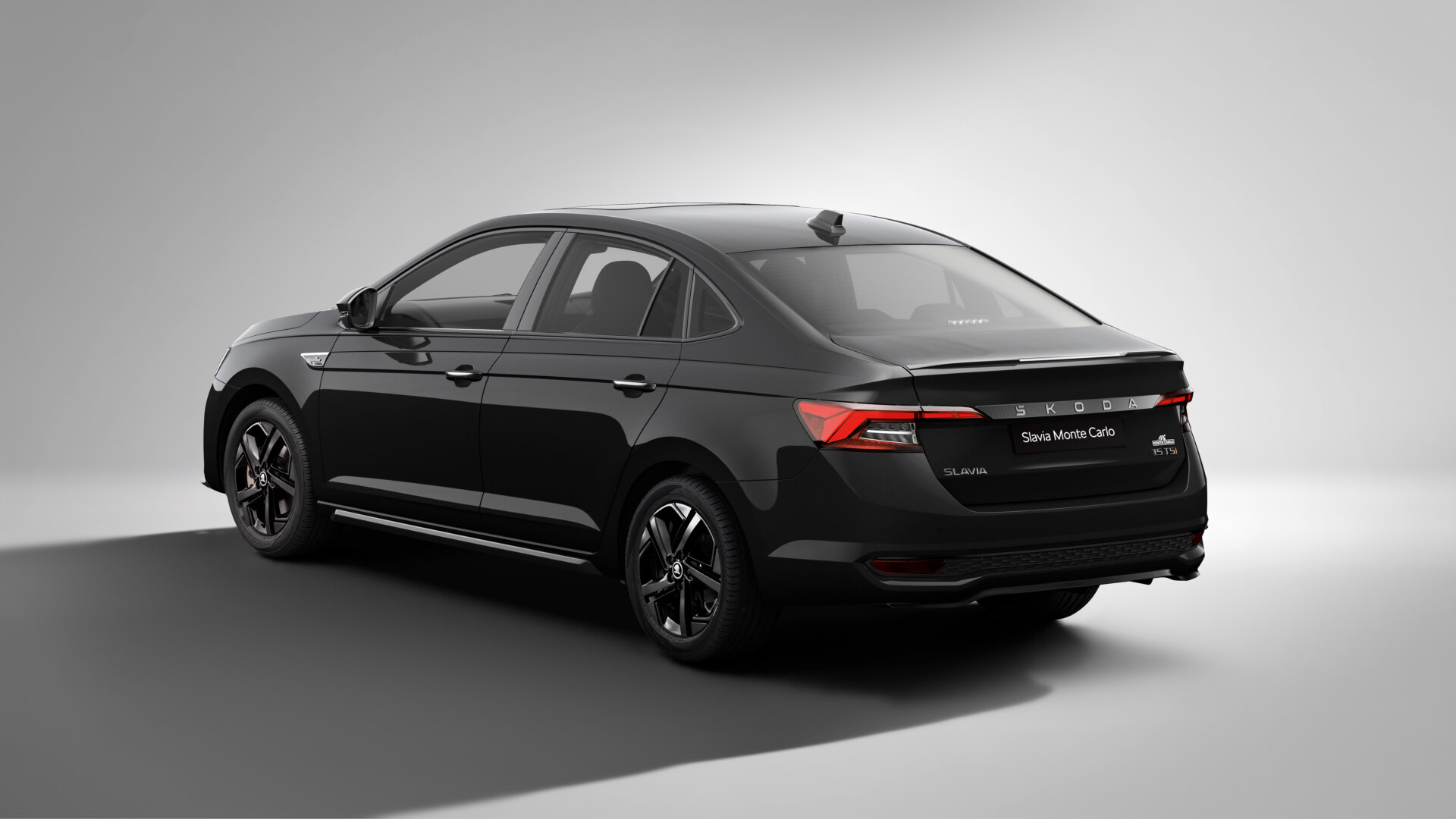
The Slavia is built on the MQB-A0-IN platform, alongside the Kushaq and Kylaq in the localised India 2.0 family. That gives any future partner a real base to work from. Local engineering, supplier knowledge and an export route already exist, while a stronger capital structure could support the next generation of products and the investment required to make them at competitive cost.
Volkswagen has refreshed the other half of the India 2.0 story
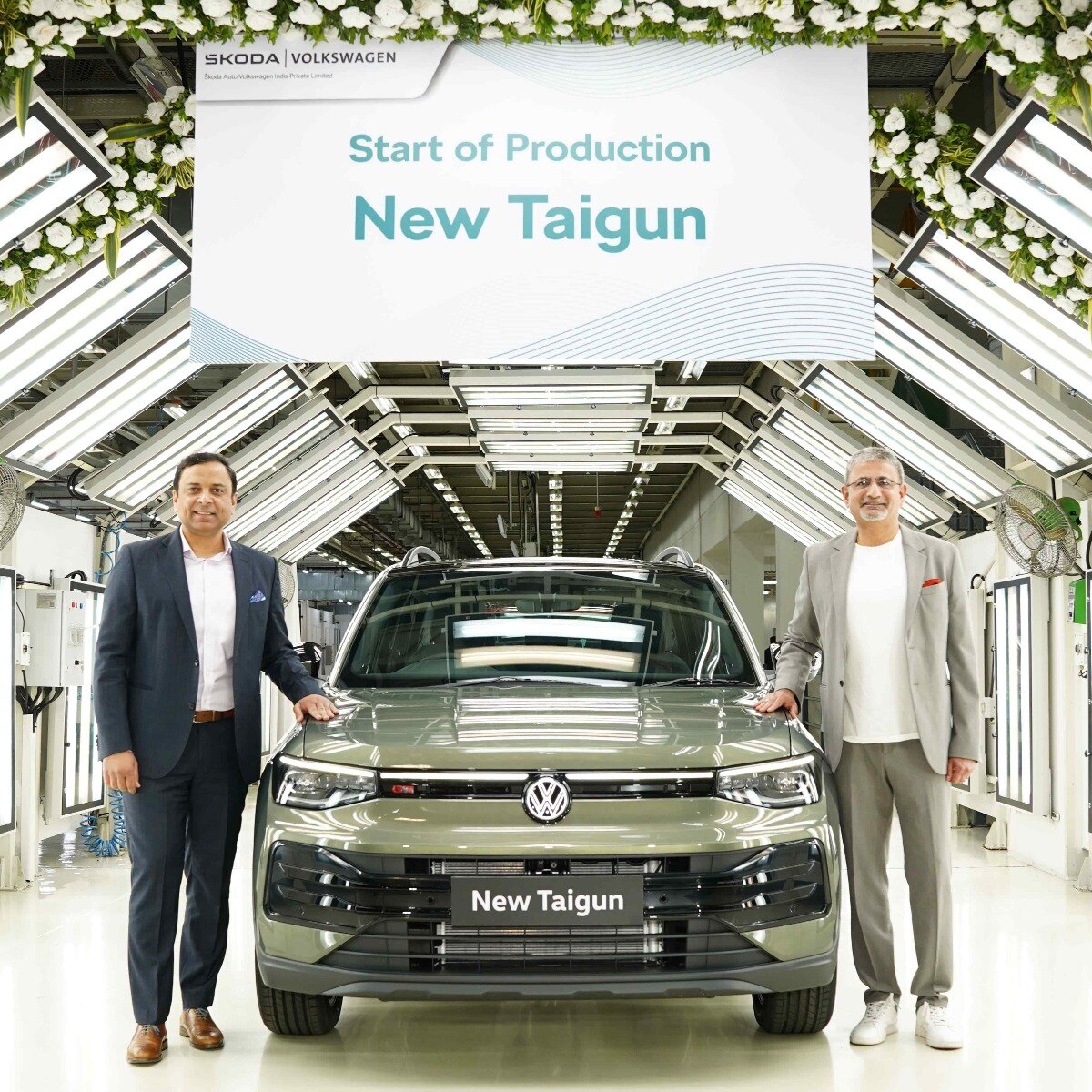
Volkswagen India launched the updated Taigun in April with a sharper front end, illuminated logos, refreshed interior details, six airbags as standard and a new eight-speed automatic option for the 1.0 TSI. The official model information lists the new Taigun from ₹10.99 lakh ex-showroom. It remains one of the clearest examples of the group’s local SUV strategy.
The Taigun production start at Pune showed the manufacturing side of that strategy in practice. The facility is already capable of building locally focused Skoda and Volkswagen products, and the proposed JSW arrangement would be judged partly on how effectively it can use that base for the next stage of growth.
The EV question sits in the background
The proposed partnership also arrives while Volkswagen is under pressure to make its India operation more competitive in electric vehicles and local manufacturing. The current reports describe a wider conversation around product portfolio, platform sharing, sourcing and production. Those possibilities have not been announced as a final model plan, so the responsible reading is that the framework is being negotiated.
For JSW, the attraction is access to established brands, engineering knowledge, manufacturing capability and a route into a global automotive system. For Volkswagen, a local industrial partner could provide capital, speed and deeper understanding of the Indian market. The value of the proposed deal will depend on the details that emerge after the headline agreement.
What happens next
The next stage is private and practical. The parties must agree the value of the business, settle the treatment of existing liabilities, define governance and decide which investments belong inside the proposed joint venture. They will also need to show how the arrangement can protect the strengths of Škoda and Volkswagen while giving India a clearer role in future development and exports.
For now, the announcement creates a serious new possibility in Indian automotive manufacturing. JSW has moved from speculation into a signed non-binding framework with Volkswagen Group. Škoda and Volkswagen bring a working India 2.0 foundation. The next few months will determine whether that foundation becomes a larger local operation, a new electric push or a partnership that remains on paper.