Jaguar Type 01 Makes Its New Era Impossible to Miss
Jaguar’s first new-era production car turns the Type 00 concept into a four-door electric GT with immense scale, a low roof and a silhouette that refuses to blend into traffic.
ViPeople Future DeskPublished 10 min read
Created using advanced editorial technology. Reviewed and approved by ViPeople.
Photograph: Jaguar
Audio articleListen to this storySerena (Enhanced) · English UK
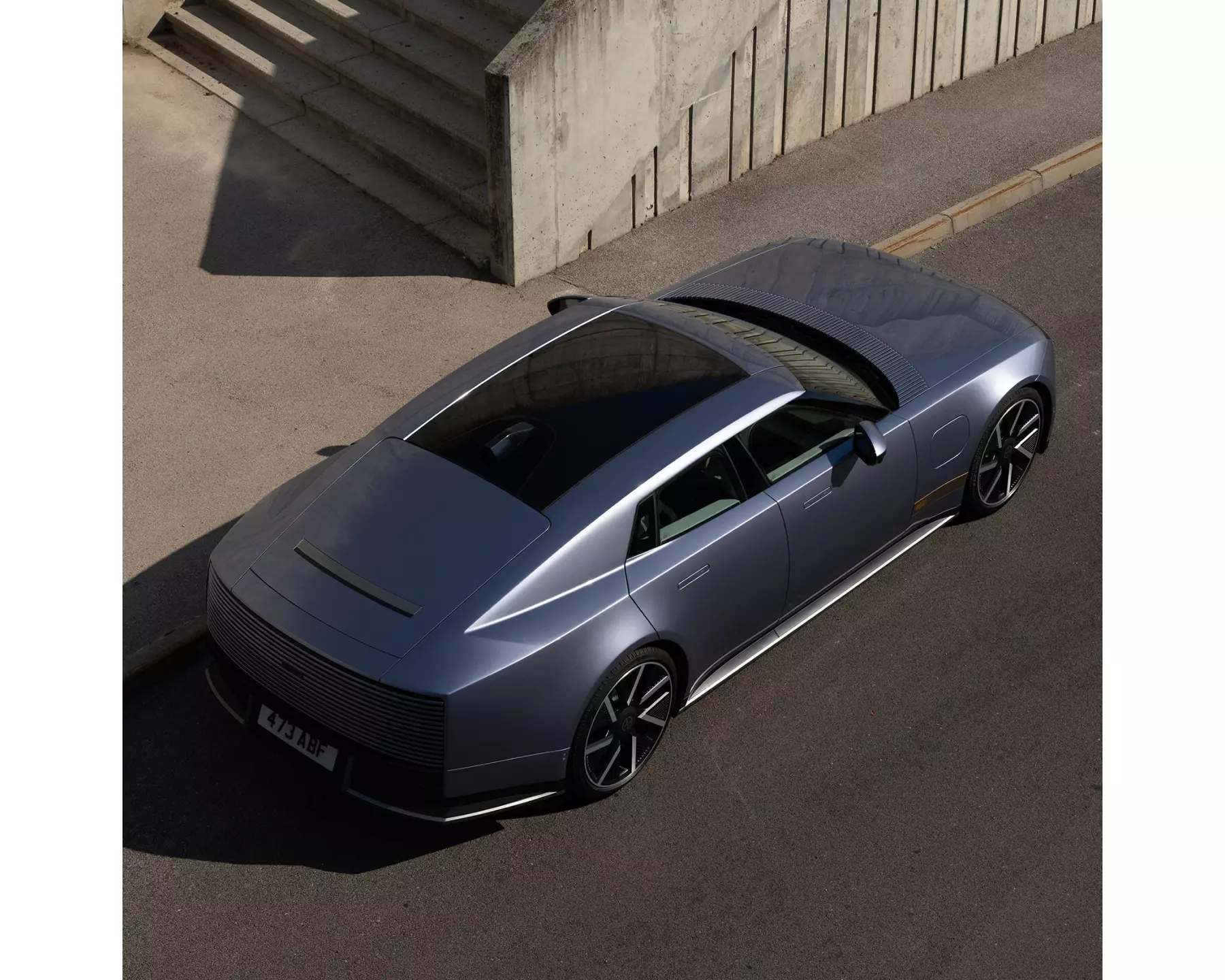
The new Jaguar is enormous. That is the first useful fact about the Type 01, because almost everything else in its design follows from a decision to make presence part of the brief. Its bonnet runs long, its roof sits low, its shoulders stretch wide and its surfaces are held together by a graphic line that carries the Jaguar name across the body. In a market where electric cars often use familiar shapes to signal new technology, this one wants to be recognised before the badge is read.
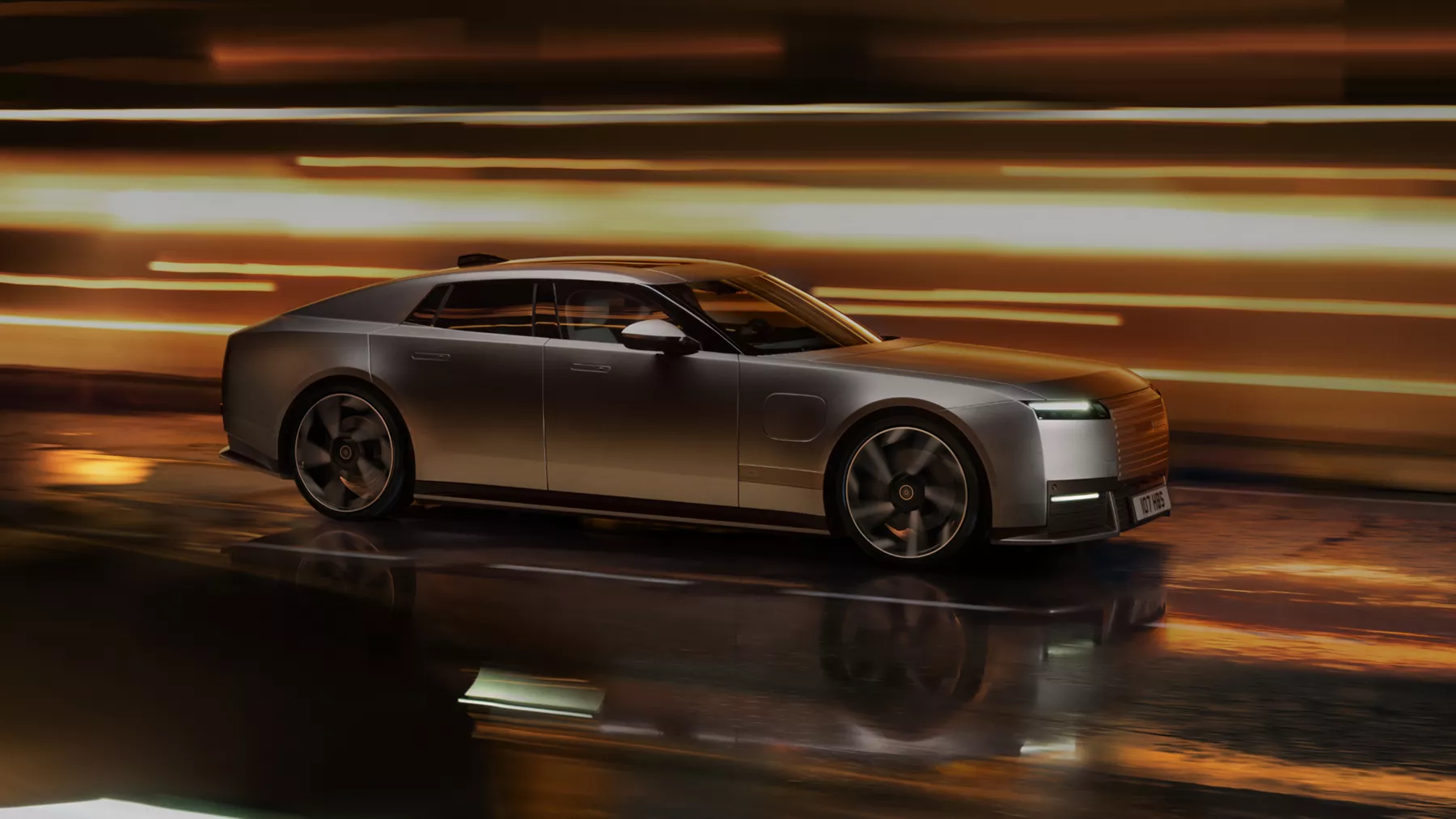
Jaguar unveiled the Type 01 in New York on 6 October as the first production car of its new era. The four-door electric grand tourer takes the visual language introduced by the Type 00 concept and gives it the proportions, details and engineering of a customer car. At full scale, the Type 01 feels more coherent than the Type 00 did in its first reveal images because its size is not an incidental feature. The car has been drawn to occupy space, and the long bonnet, low glasshouse and broad stance make their strongest argument at full scale.
Jaguar’s Type 01 in a low, fast-moving side view that makes the long bonnet and roofline legible together.Photograph: Jaguar
A silhouette built around scale
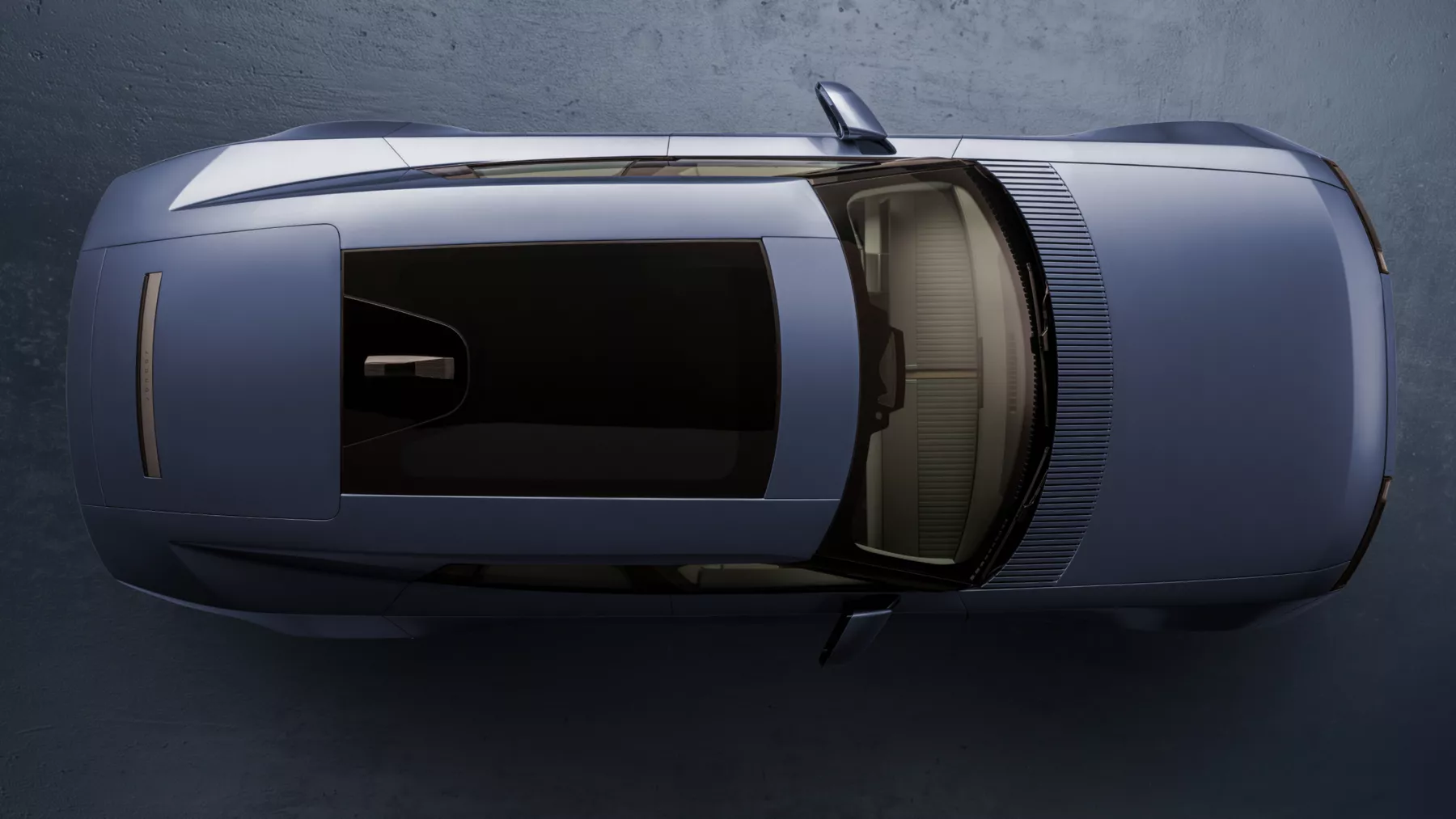
The Type 00 announced a direction through exuberant proportions and unexpected details. The Type 01 keeps that ambition, but shifts the conversation from a show car’s possibility to a recognisable vehicle with four doors and room for four. The design still resists the usual cues of the electric sedan. There is no attempt to make the bonnet disappear into a cab-forward outline, and the roof does not rise into a conventional family-car profile. Jaguar instead preserves a long, low sweep, then gives the rear enough width and volume to make the car feel planted.
An overhead view shows how the cabin sits low between the Type 01’s long bonnet and broad rear shoulders.Photograph: Jaguar
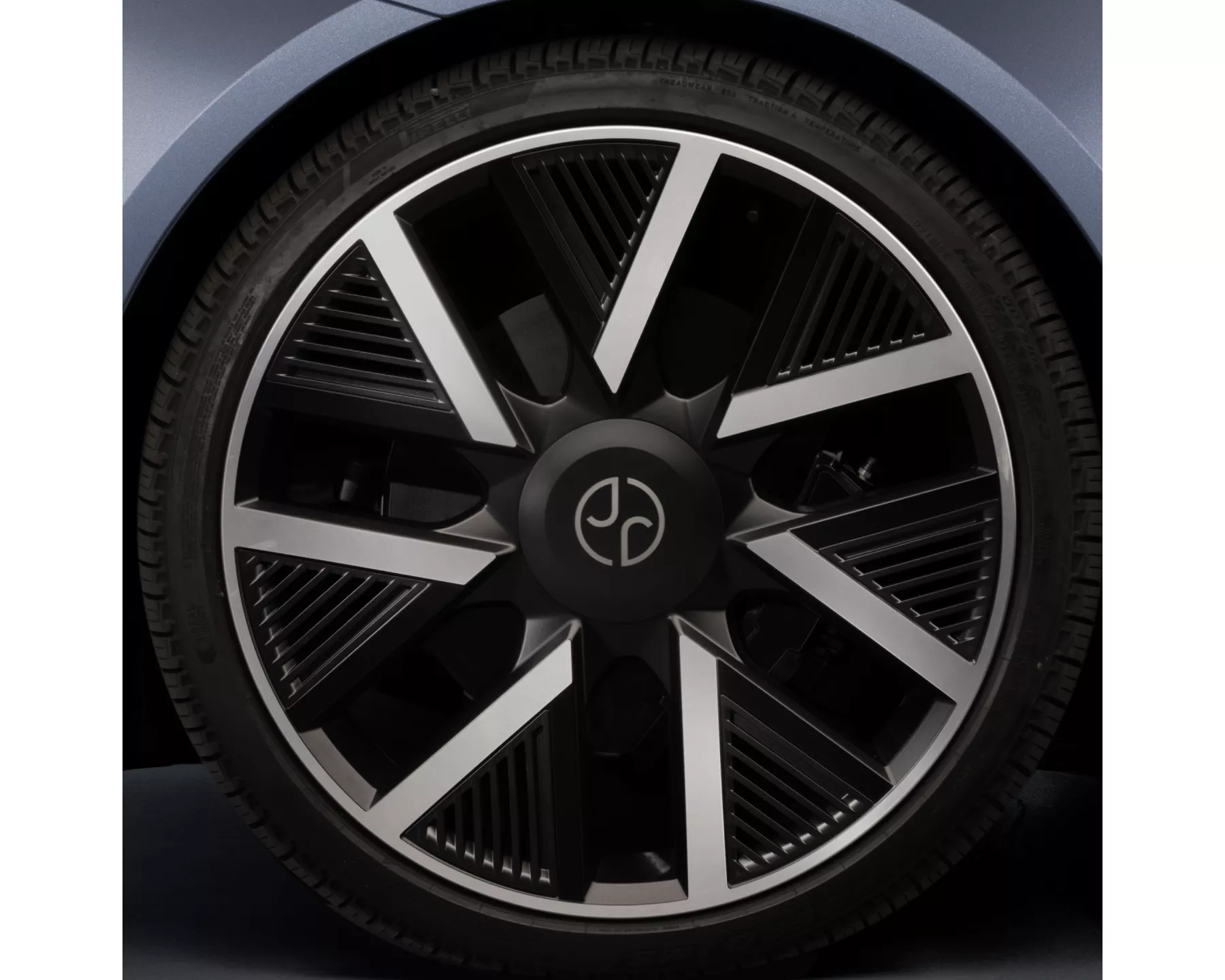
The result is a shape that should divide opinion, and that is part of its purpose. Its road presence comes from proportion rather than surface decoration. The wheel close-up makes that relationship clear: the body seems to sit low over a very large wheel, while the fender and surrounding panel remain comparatively quiet. Even the detail work has a job to do. Jaguar calls its graphic device the Strikethrough, a line that crosses the body and integrates the wordmark into the composition. It is branding, but it also gives the enormous side surface a visual axis.
A close study of the Type 01 wheel and body surface links the car’s graphic side profile to the road.Photograph: Jaguar
The low front view gathers the bonnet, glass roof and broad shoulders into one unbroken form.Photograph: Jaguar
Modernism with a recognisable Jaguar tension
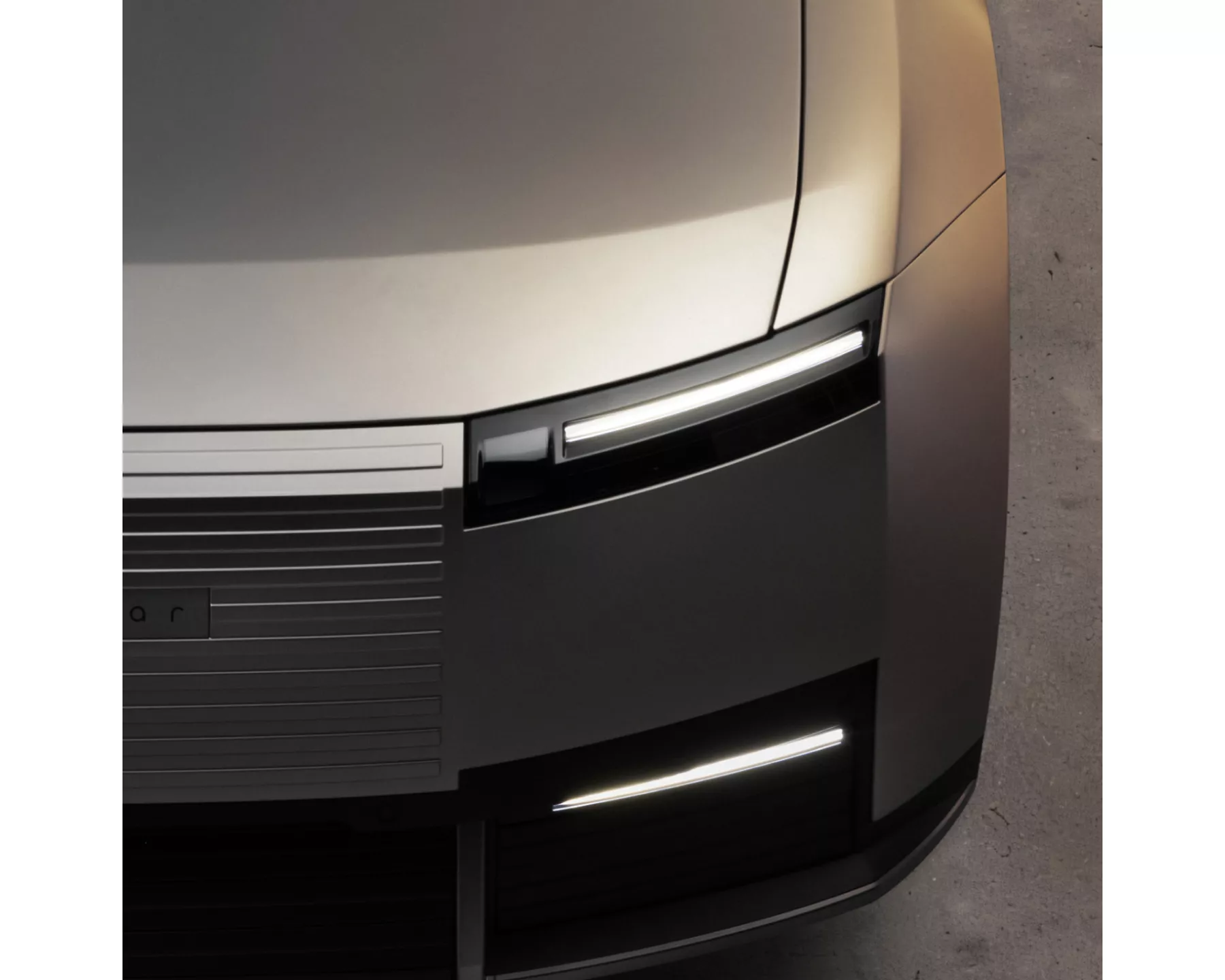
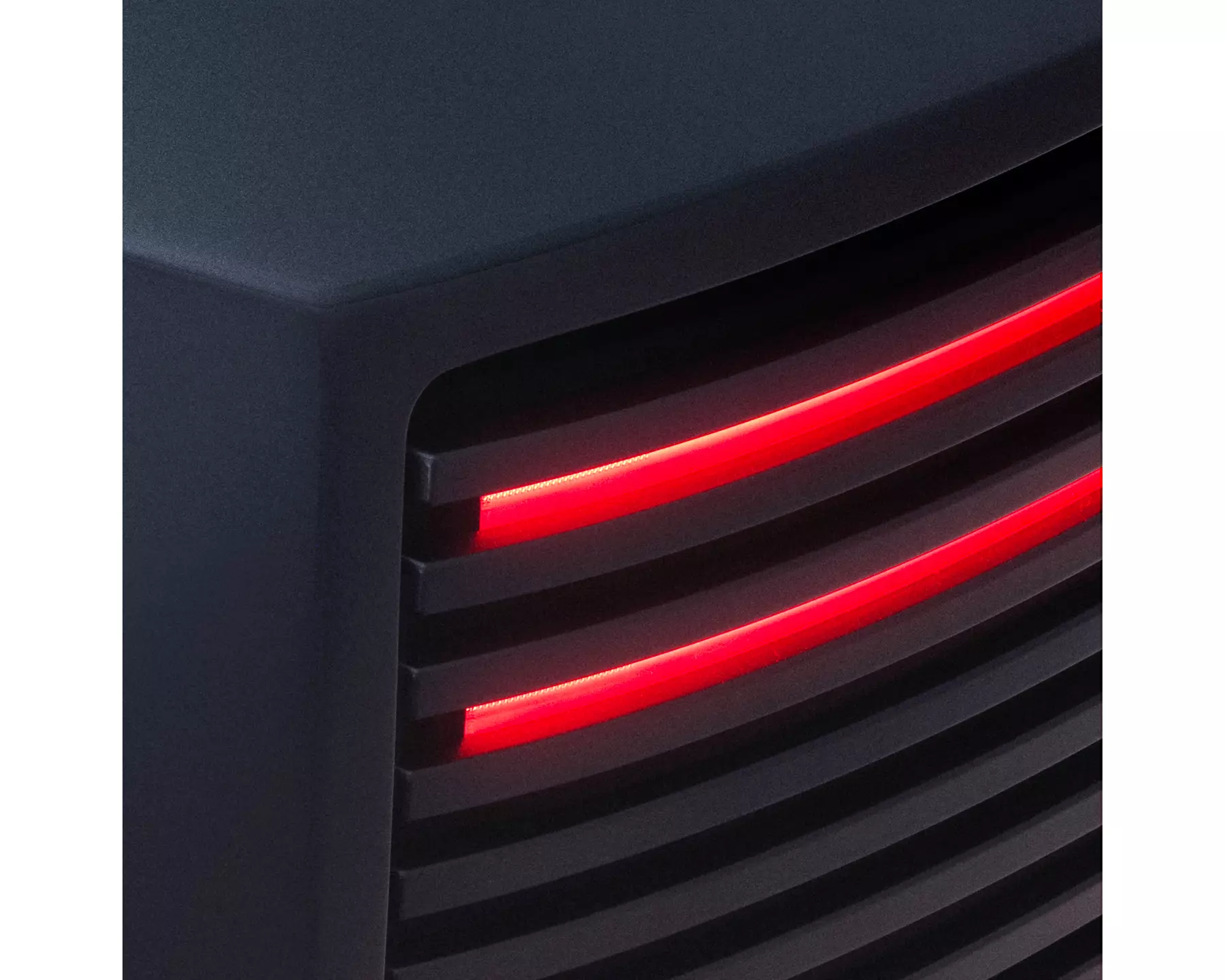
Jaguar describes its design values through modernism, exuberant proportions and unexpected details. On the Type 01, that means a smooth, almost monolithic body interrupted by a handful of deliberate signatures: slim lighting, the Strikethrough, a glassless tailgate and deployable details that appear only when needed. Flush surfaces keep the large body from becoming visually busy. The front lighting is reduced to a fine horizontal expression, while the rear lamp detail turns into thin red strokes against the tail.
Slim front lighting sits within a broad, clean fascia, with the visual emphasis carried across the width of the car.Photograph: Jaguar
The rear lighting resolves into narrow horizontal red lines against the dark surface.Photograph: Jaguar
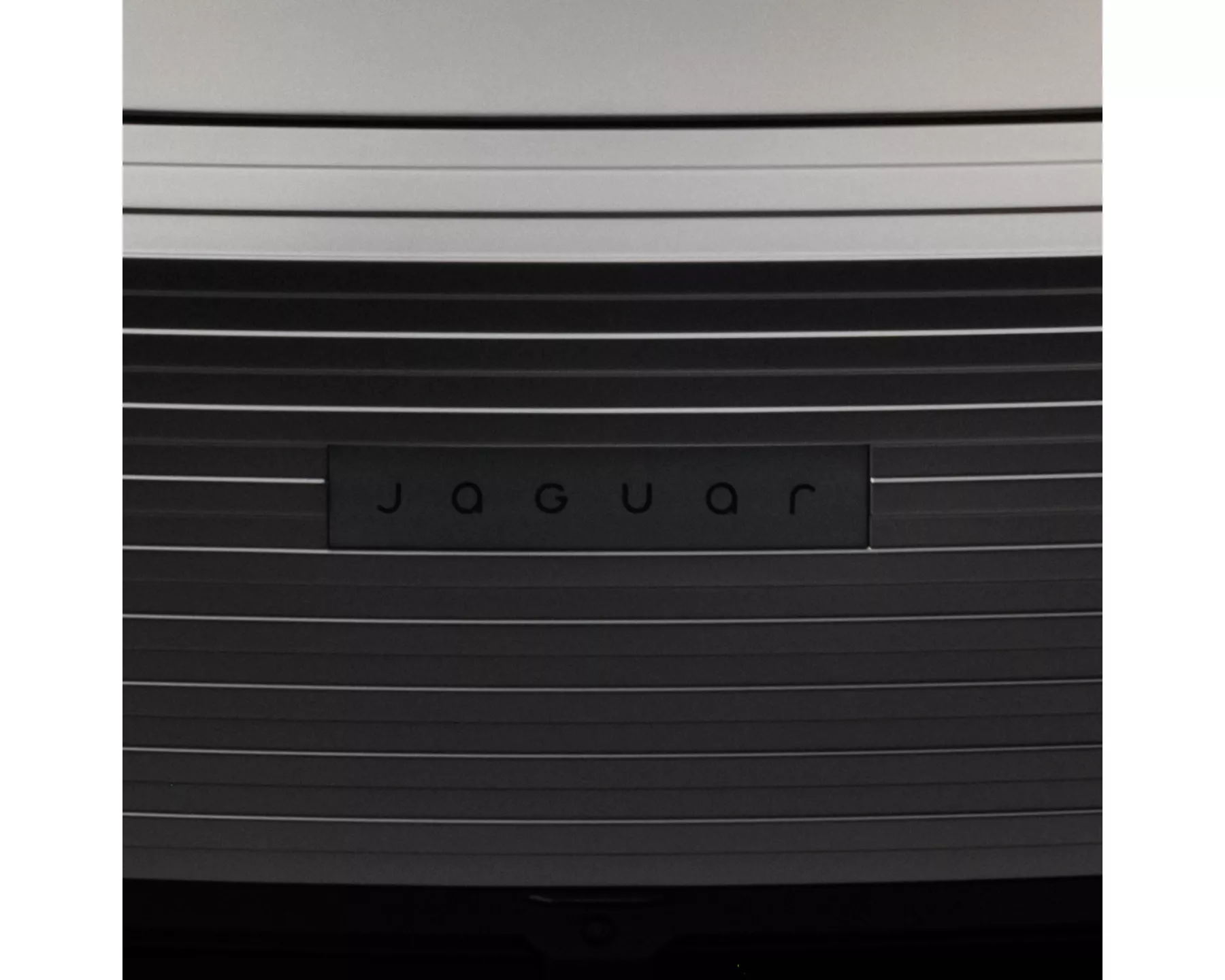
The wordmark is integrated into the new Strikethrough graphic rather than treated as a separate badge.Photograph: Jaguar
There is a useful tension here. Jaguar is returning to the idea of an unmistakable luxury car, yet the Type 01 does not borrow a retro grille or try to reproduce an E-type in modern materials. The company points to the E-type and XJS as part of the lineage, but the connection is more about confidence in proportion than direct quotation. The long bonnet is a visual promise. The cabin is set back, the nose remains low and the graphic work is allowed to speak in a new accent.
A cabin that changes the mood, not the outside brief
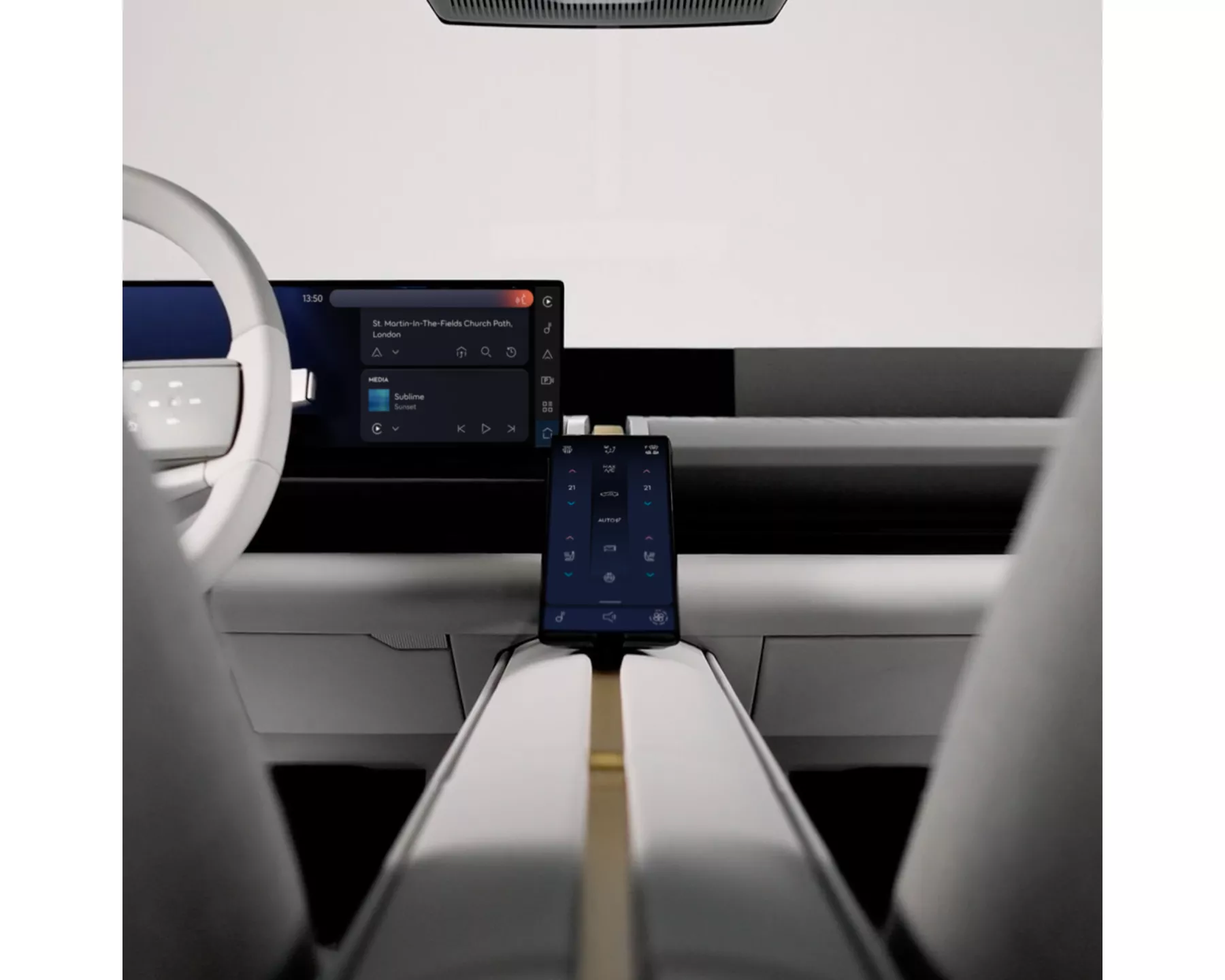
Inside, the visual drama becomes calmer. A brass-inspired spine runs through the centre, creating a warm material counterpoint to the car’s glass, screens and clean surfaces. Jaguar’s interior imagery treats that spine almost as an object placed within the cabin. It catches the eye without turning the entire dashboard into a feature wall. The central display is present, but the cabin’s organising idea is still a horizontal line and a sense of space around the occupants.
A brass-inspired spine brings a warm material note into the pared-back cabin.Photograph: Jaguar
The centre spine draws the eye through the cabin towards a single central display.Photograph: Jaguar
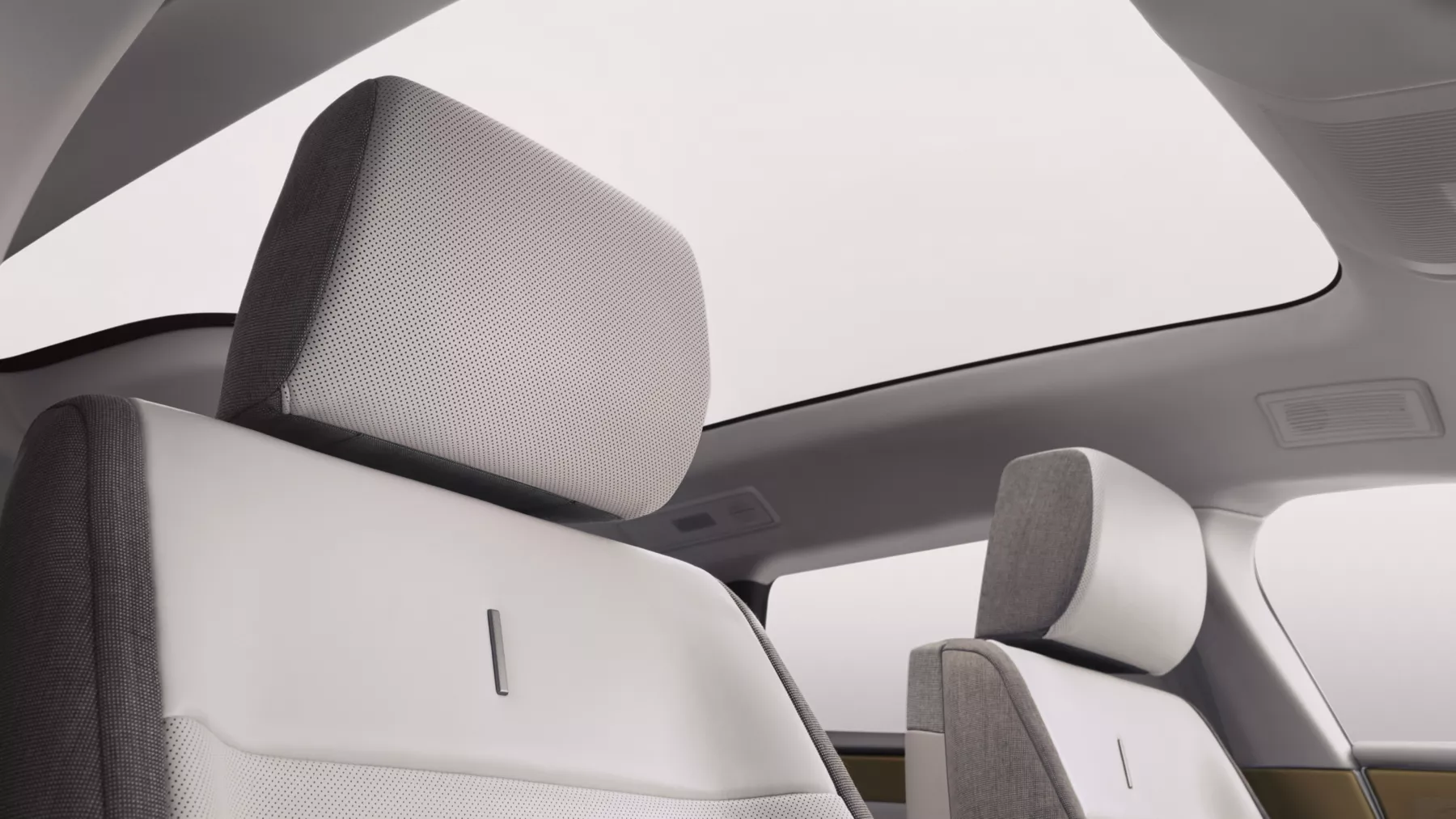
The rear compartment is important to the Type 01’s identity. Four doors make it useful as a grand tourer for more than two people, while the glass roof brings daylight across the second row. Jaguar is promising a four-seat layout rather than treating the back as an occasional shelf. The company has not yet shown final customer cars, so the production specification may still change. What the design communicates now is a cabin intended to feel open and carefully composed, not simply a battery enclosure wrapped in a dramatic body.
A glass roof brings daylight into the rear compartment, where the design continues as a calm horizontal composition.Photograph: Jaguar
An electric platform shaped around grand touring
Under the body is Jaguar’s dedicated JEA architecture. The Type 01 uses three electric motors and all-wheel drive, with torque vectoring, air suspension and all-wheel steering among the technologies Jaguar says will shape its dynamic character. The company also describes a low centre of gravity and near 50:50 weight distribution. Those are engineering choices in service of the same design promise: a large car should feel settled and agile, with a calm long-distance manner as well as immediate electric performance.
Jaguar quotes 1,030 PS and a 0-62 mph time of 3.2 seconds. Its product page gives a range of up to 450 miles, while the launch announcement refers to a 400-mile EPA target. The company says a 350 kW charger can add up to 200 miles in 13 minutes. These are manufacturer figures for a vehicle whose final customer specification is still to come, and should be read as launch claims rather than independent test results. Orders are expected to open in early 2027, with first deliveries planned for the second half of that year.
Jaguar Type 01 · what is confirmed
Detail
Jaguar’s published information
Premiere
New York, 6 October 2026
Architecture
Dedicated Jaguar Electric Architecture (JEA)
Motors
Three motors · all-wheel drive
Power and acceleration
1,030 PS · 0-62 mph in 3.2 seconds
Range claims
Up to 450 miles on Jaguar’s page · launch release cites a 400-mile EPA target
Charging claim
Up to 200 miles in 13 minutes at 350 kW
Customer timeline
Orders early 2027 · deliveries expected in the second half of 2027
A design statement that needs the road
The Type 01 is a bold answer to a question Jaguar has been asking itself in public: how can a historic name return without becoming a museum piece? Its solution is to make the new car unmistakable, then use modernism and proportion to keep that difference legible. It does not disappear into the traffic flow. It arrives with a huge visual footprint, and the design appears to understand that the reaction is part of the experience.
Whether the scale becomes elegance or excess will ultimately depend on how the finished car moves through real streets and how well its cabin supports a long journey. Those are questions for the customer cars and the first drives. For now, the Type 01 has made the crucial step from concept language to a shape with real presence. The Type 00 asked people to imagine a new Jaguar. The Type 01 gives them a much clearer object to agree with, argue about and recognise.
Comments0
Join the ViPeople conversationSign in with Google to comment, like and save stories.Continue with Google