The Ford Fiesta’s 2027 Test Is a Rally2 Story with Rally1 Consequences
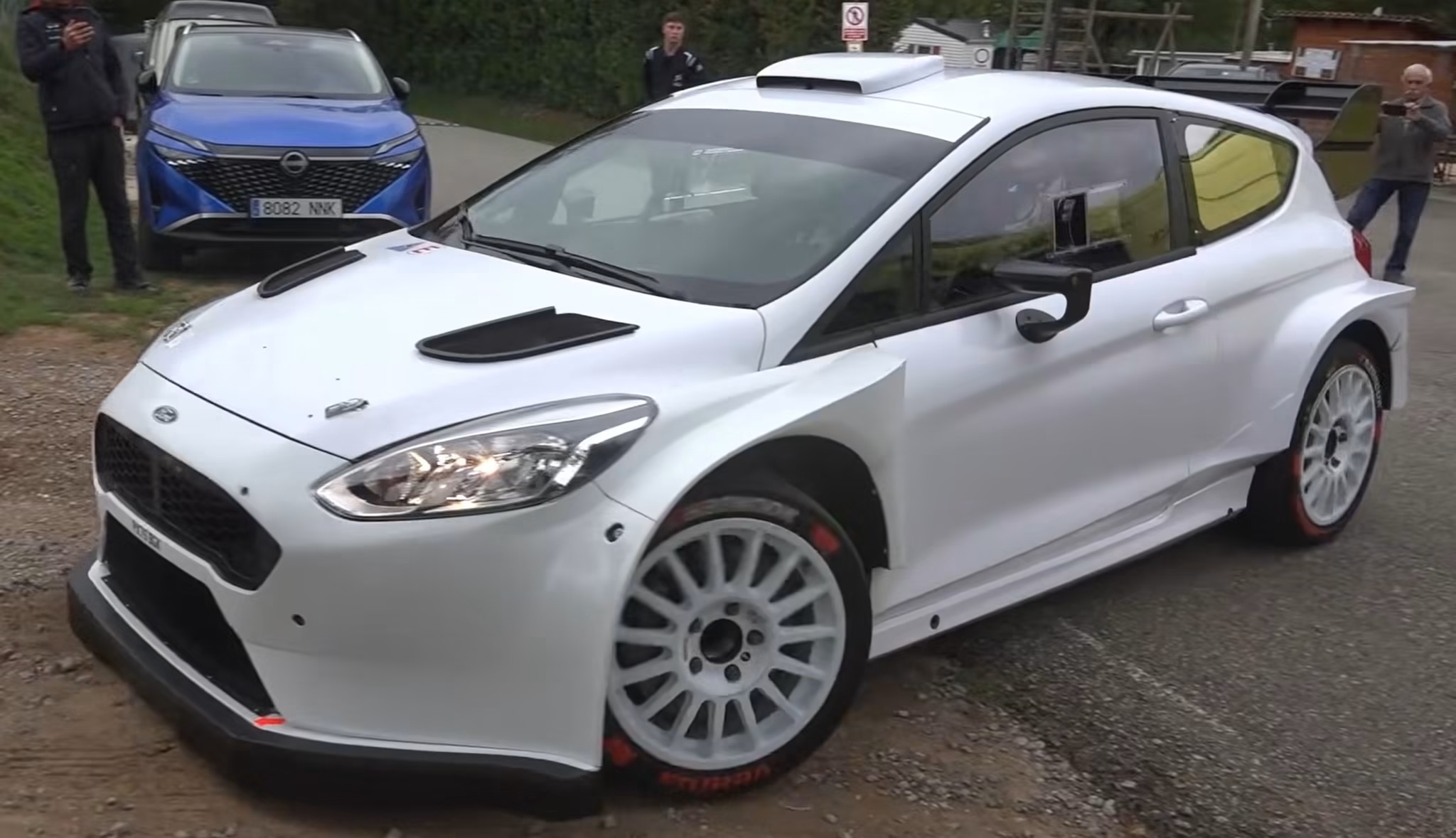
M-Sport has begun testing an upgraded Fiesta Rally2 fitted for the WRC27 era. The distinction matters: it is a Rally2-based route into the new top category, ahead of Ford Racing’s announced factory return and all-new car in 2029.
Photograph: Passats de Canto video still, supplied to ViPeople- Test car
- Ford Fiesta Rally2 with WRC27 kit
- Testing
- M-Sport test footage from Spain, 13 October 2026
- Test driver
- Matthew Wilson
- 2027 context
- Rally2-based cars can enter the new top-tier framework with the prescribed kit
- Ford Racing factory return
- 2028 alongside M-Sport
- All-new Ford Rally1 project
- Planned for 2029
- Photo gallery
- Four supplied stills from the Fiesta test video
A Ford Fiesta in a new test livery is an easy image to read as a new Rally1 car. The more interesting answer is more precise. M-Sport has been testing an updated Ford Fiesta Rally2 equipped for the WRC27 regulations, a Rally2-based machine expected to bridge the move into the championship’s new top category in 2027. The distinction changes how we should understand the car, the engineering brief and Ford’s longer return.
The October test footage has circulated quickly, with descriptions calling the car a 2027 Fiesta Rally1. Reports from the rally press identify the test car as a Fiesta Rally2 fitted with the new WRC kit. The FIA’s new framework allows eligible Rally2 cars to receive a defined aerodynamic package and compete in the top class alongside the purpose-built WRC27 cars. That is a significant step for private teams and constructors, while keeping the underlying vehicle’s origins clear.
The kit is the bridge between two generations
The WRC27 era is intended to lower the cost of entry and widen the championship’s field. Its new cars use a cost-capped spaceframe concept and components connected to Rally2 machinery. That shared foundation is why the Fiesta programme matters. M-Sport can develop a package around a car already familiar to its customer operation, then prepare it for the additional performance and aerodynamic demands that come with the top-class rules.
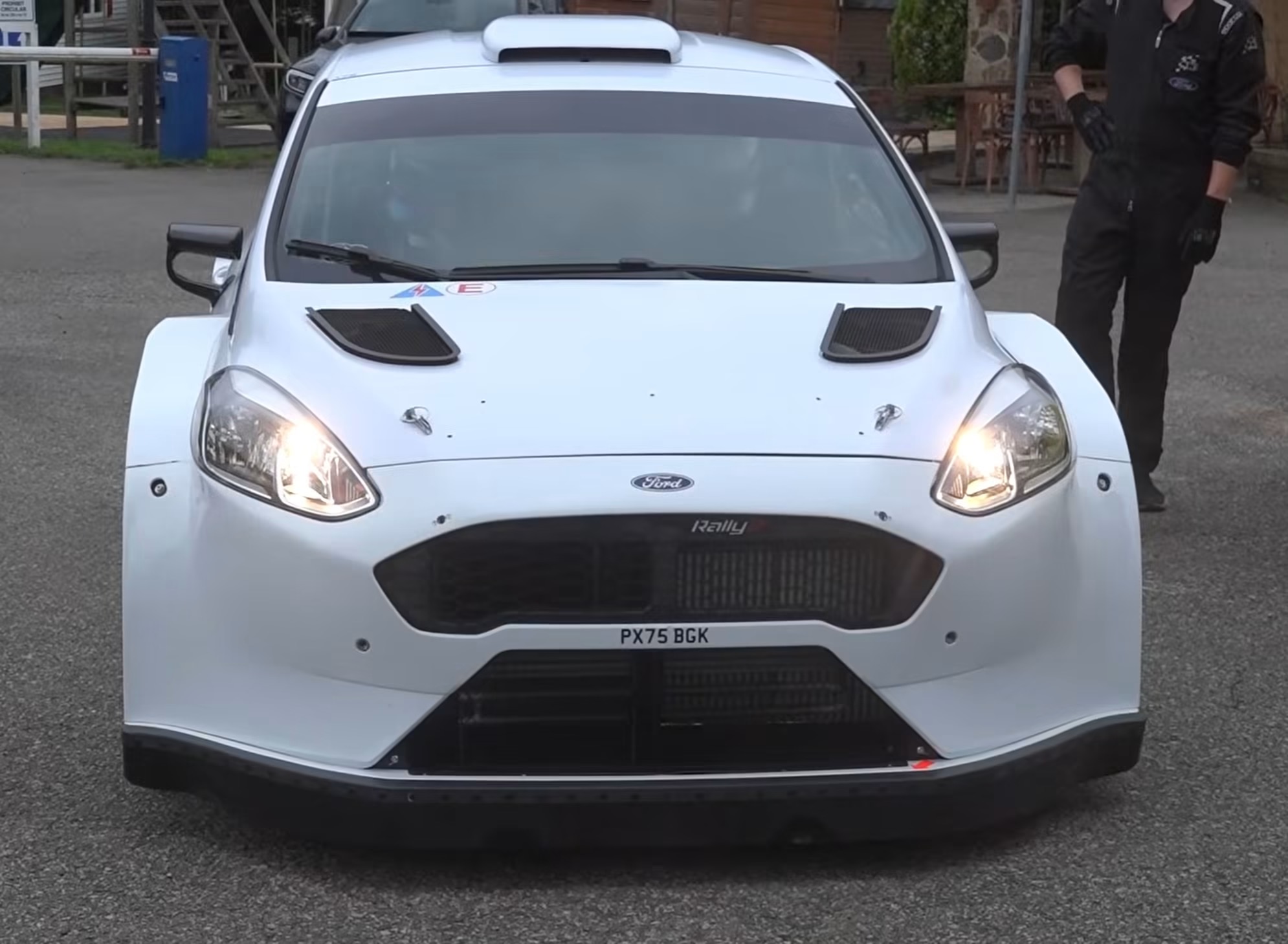
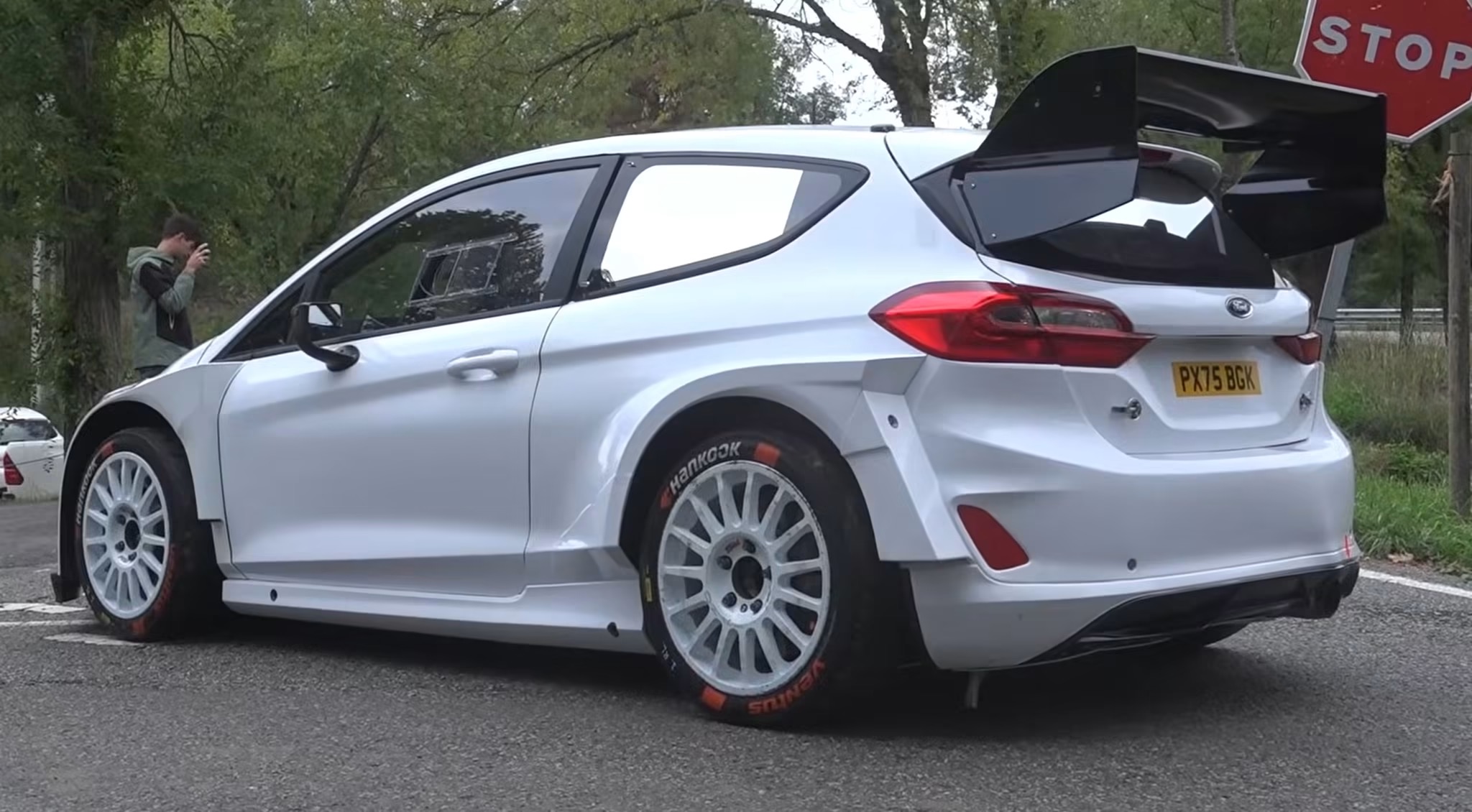
The test has been described as early running on asphalt in Spain. Images and video suggest the car has a more assertive body treatment than the customer Fiesta Rally2, but test appearance is not a technical specification. Until M-Sport or the FIA publishes the final homologated package, exact aero dimensions, weight, engine output and final component list should not be guessed from a few laps of footage.
Why Rally2 and Rally1 are both part of the answer
Rally2 describes the established class from which the Fiesta is derived. Rally1 has been the WRC’s top class through the current generation. WRC27 resets that structure, and the Rally1 name is expected to continue even as the car concept changes. That is why shorthand can cause confusion: the Fiesta being prepared for 2027 is not simply a newly built, independent Rally1 challenger in the old sense. It is a Rally2 car adapted to meet the new top-category rules.
For the sport, that route could make a full season more attainable. Rally2 cars already have a customer base, established service knowledge and a supply chain. A controlled conversion into the top-class environment could help keep entry costs closer to the series’ stated direction. The question will be how much performance the kit releases, how the cars compare with the purpose-built WRC27 entrants and whether the sporting regulations can keep that variety fair.
Ford’s wider WRC timeline is now official
The test sits inside a longer commitment. Ford Racing has confirmed direct involvement in the WRC from 2028 alongside long-standing partner M-Sport. The announcement also points to an all-new Rally1 car developed to the WRC27 technical regulations for 2029. The Fiesta programme can therefore serve as the near-term competition route while the next factory-backed car is developed.
That timeline gives the Fiesta work a different purpose from a stopgap. It can carry M-Sport into the new era, help the team learn the rules on competition stages and keep customer expertise connected to the top class. The 2029 car will be a separate development, with Ford saying it will draw on a new European passenger model. For now, the test is about making the available platform work under the new technical brief.
A familiar name with a new job to do
The Fiesta name has a deep WRC lineage, though the road car has left production. Its continuation in rallying comes from the competition platform and the work of M-Sport, not a new production model arriving in showrooms. That makes the 2027 project an engineering choice rooted in the rally ecosystem: adapt the car teams know, apply the new kit and use the season to keep Ford present at the front of the sport.
The Fiesta Rally2 is being developed for a much bigger stage. Testing is real, Ford’s 2028 factory return is confirmed, and a new car is planned for 2029. The road between those milestones runs through the WRC27 kit, its eventual homologation and its performance against a new generation of rivals. The story already has its own momentum. Precise naming will make it stronger.
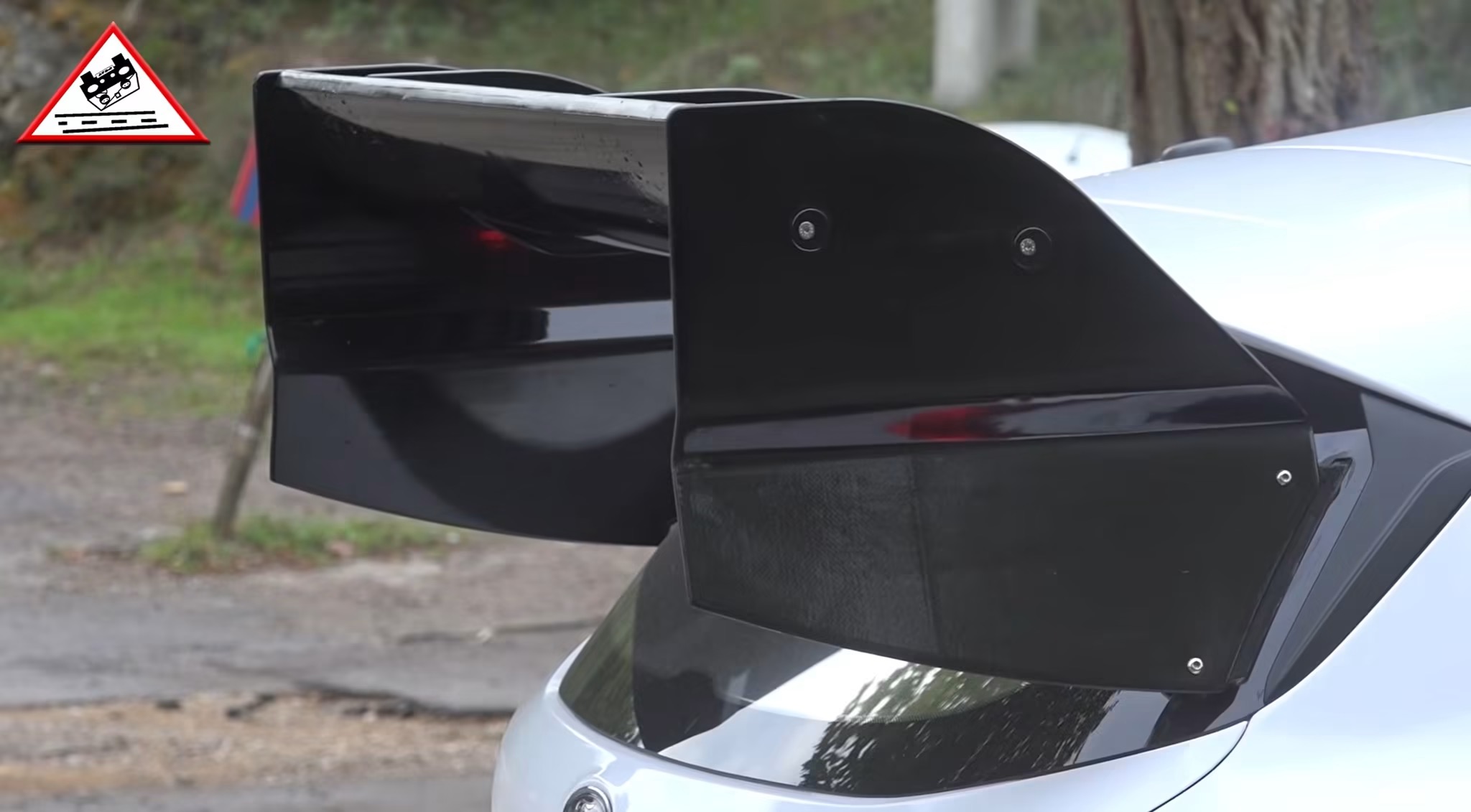
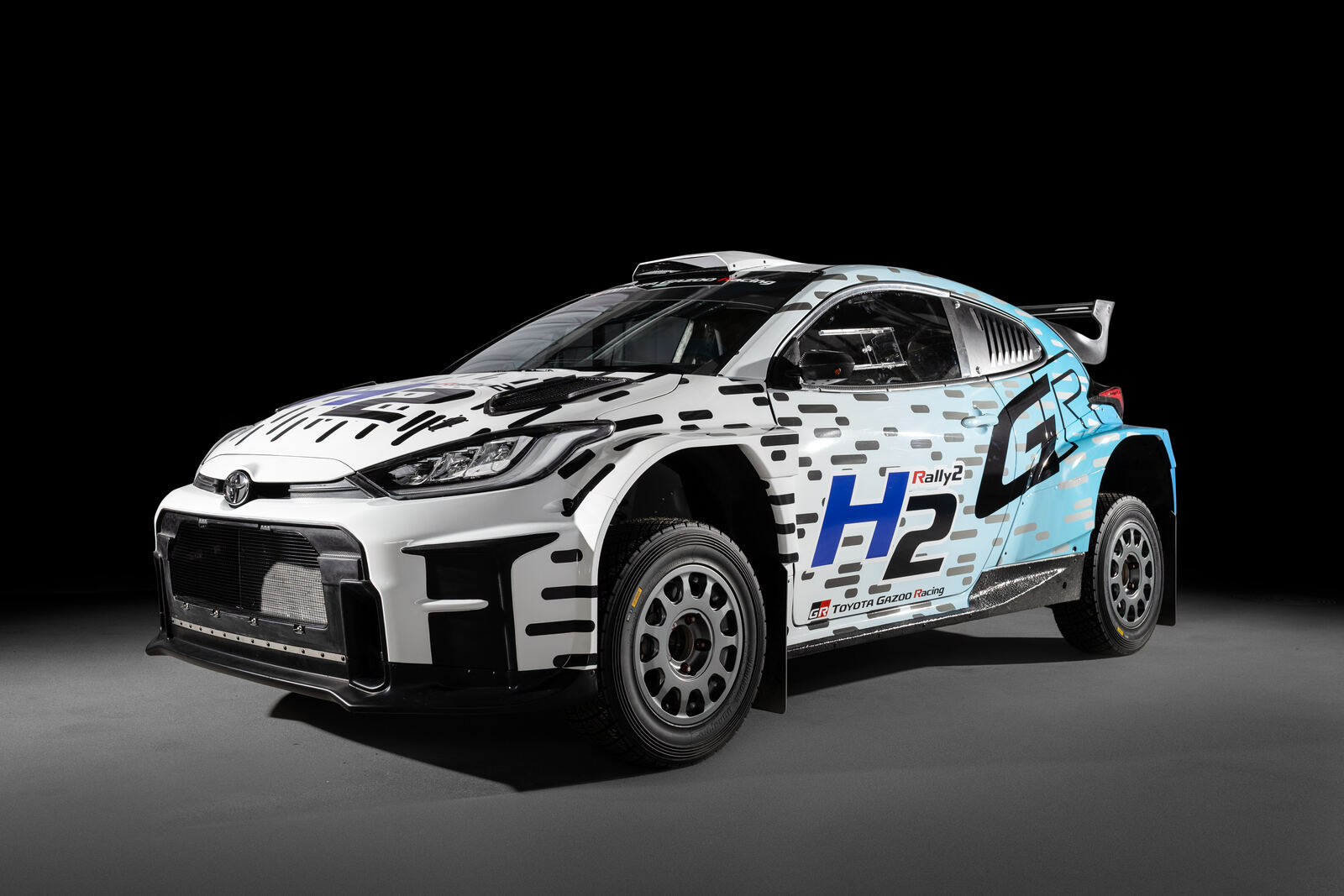
The images in this gallery show the Fiesta from the front, rear and close to its tall rear wing. They give the test car a proper place in the story while leaving technical conclusions to the team and the eventual homologation documents.