Sainz and Moya Win in Asturias After Loeb’s Rally Ends Early
Carlos Sainz and Luis Moya won the Rally de Asturias Histórico in the Ford Puma Rally1 after Sébastien Loeb and Isabelle Galmiche retired with a clutch problem. The result turned a tribute weekend into a genuine contest that changed direction on the final day.
Photograph: Rally de Asturias Histórico- Winners
- Carlos Sainz / Luis Moya
- Car
- Ford Puma Rally1
- Rally dates
- 28 to 31 October 2026
- Decisive change
- Sébastien Loeb / Isabelle Galmiche retired with a clutch problem
- Second
- François Delecour / Fabrice Gordon
- Third
- Rui Madeira / Paula Madeira
- Competitive stages
- Ten timed stages
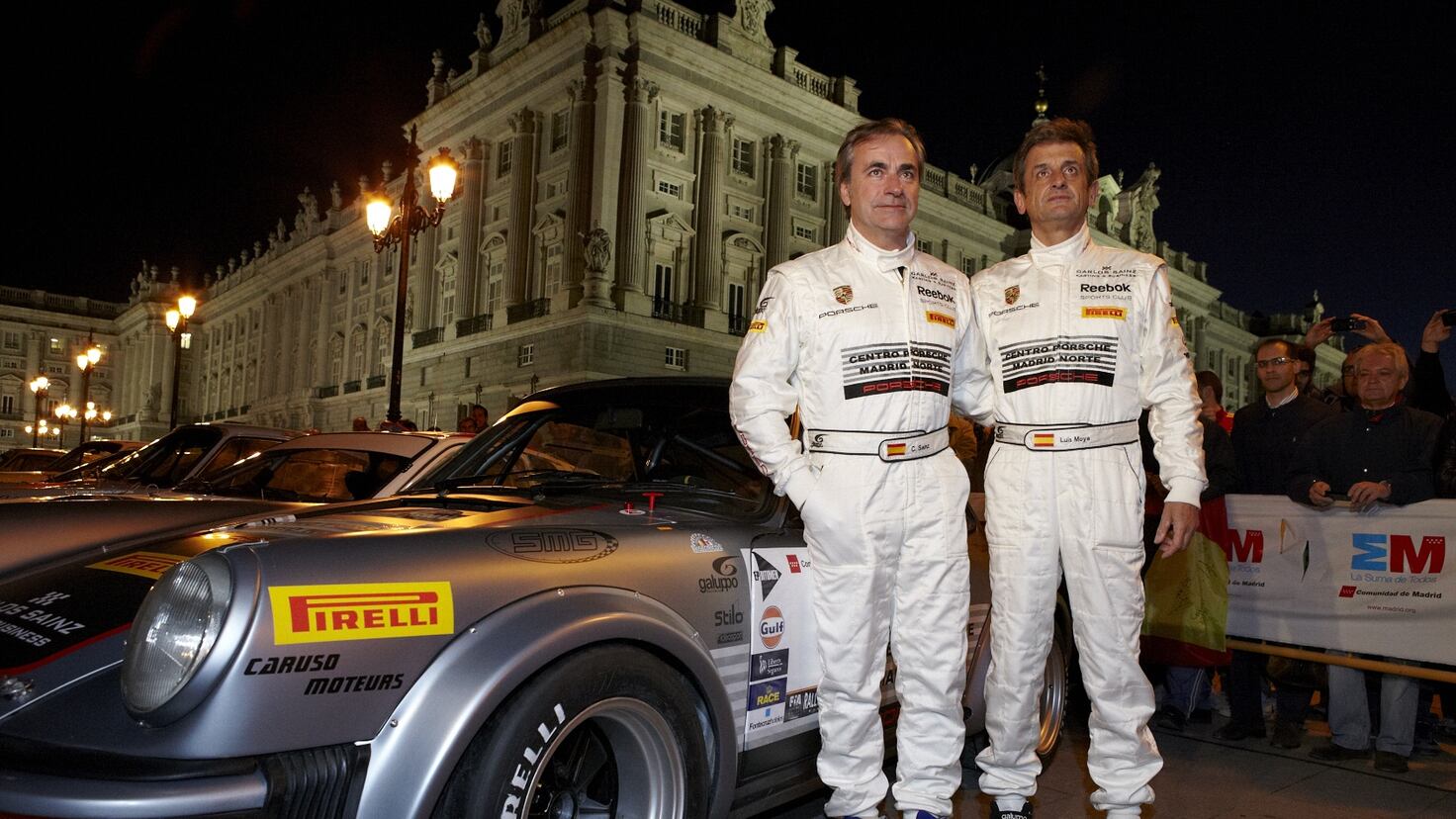
The tribute began with a reunion and ended with a result no one could have written into the programme. Carlos Sainz and Luis Moya won the Rally de Asturias Histórico in a Ford Puma Rally1 after Sébastien Loeb and Isabelle Galmiche retired with a clutch problem. Loeb had led into the final day. The mechanical trouble changed the order, and Sainz took the opportunity to turn his homecoming into a competitive victory.
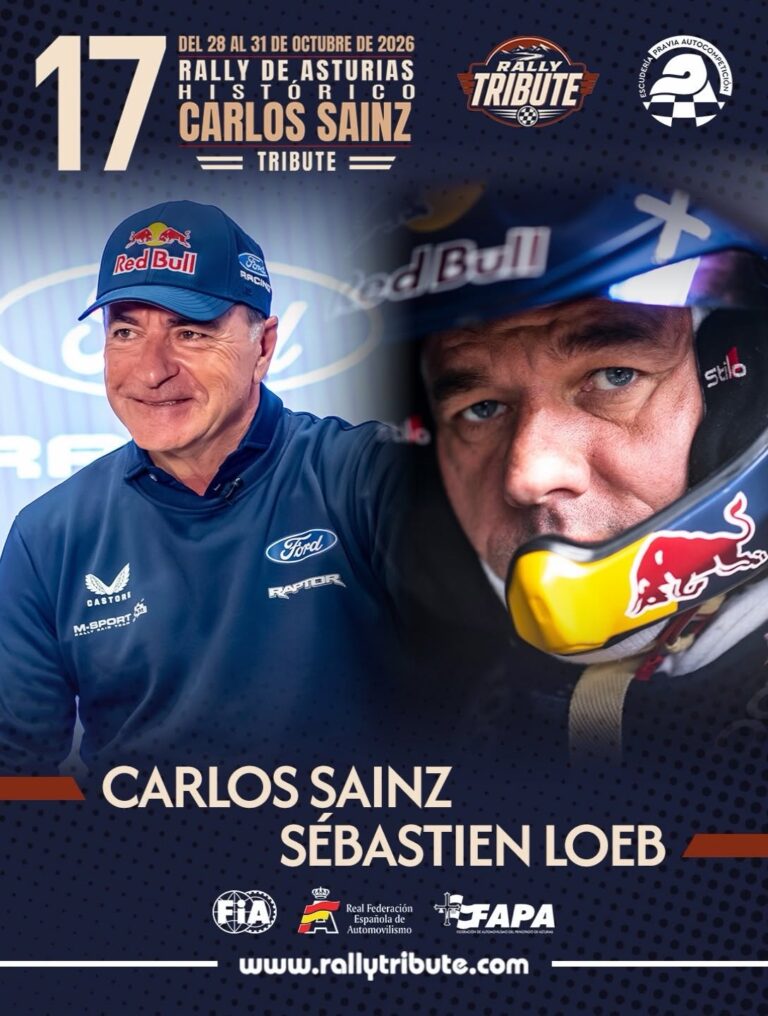
The XVII Rally de Asturias Histórico had been organised around Sainz, the two-time World Rally Champion whose name carries a particular weight in Spanish rallying. The entry list gave the tribute a remarkable cast. Loeb joined the event in a Peugeot 306 Maxi, while Sainz returned with Moya in the Ford Puma Rally1. Each pairing brought a different period of rally history into the same service park.
By Friday, the competition had made itself impossible to ignore. Loeb and Galmiche held the provisional lead, with Sainz and Moya second. François Delecour and Fabrice Gordon were third. The gap between the two lead crews gave Saturday a clear question. Sainz had the home crowd and the event built around him. Loeb had the lead and the 306 Maxi was giving him a chance to defend it.
A lead can change in a single service
Loeb continued to lead through the opening loop on the final day, according to reports from Asturias. Then a clutch problem ended the rally for the French crew. Retirement removed the leading Peugeot from the classification and gave Sainz the route to the front. It was a sudden change, though the result still depended on Sainz and Moya completing their own work across the remaining stages.
The victory came after ten timed stages. Sainz and Moya finished ahead of Delecour and Gordon, with Rui and Paula Madeira completing the top three. The report from A Todo Motor gives Delecour’s margin to the winners as 1 minute 3.6 seconds. That difference reflects the final classification after a day in which the lead changed because one crew stopped and another kept moving.
A retirement is part of rallying, but it should never flatten the story into a simple accident of fortune. The crews arrive with cars prepared for speed and endurance. They read the surface at pace, manage the machinery and depend on every component to continue doing its job. When a part fails, the result changes quickly. Sainz and Moya still had to keep their own car on the road and carry it through the stages to the finish.
The incident also changed the emotional balance of the final day. Loeb and Galmiche had spent the opening loop defending a lead, with every stage offering a new check on the Peugeot’s pace and reliability. Once they stopped, the contest became a different kind of test for Sainz and Moya. They were no longer chasing the crew ahead. They had to make sure that the opportunity created by the retirement did not become a reason to rush.
The crews behind them still had a result to make. Delecour and Gordon finished second, 1 minute 3.6 seconds behind the winners, while Rui and Paula Madeira took third. The order underlines how much competition remained after the leaders changed. Sainz had to complete the route, Delecour had to keep his own pace, and the Madeira crew had to hold a place in a field that had brought several eras of rallying together.
The event reports describe 69 entries and ten timed stages through roads around Pravia, Salas and Muros del Nalón. That scale gives the tribute a proper rally structure. Crews move through closed roads, timing controls and service periods, while spectators choose designated viewing points and wait for each car to appear. A famous name can attract the crowd. The stages and the organisation make it a rally.
Two cars, two generations of rallying
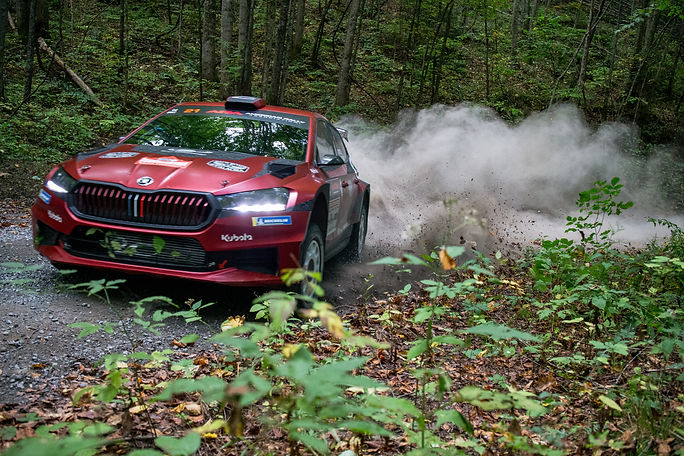
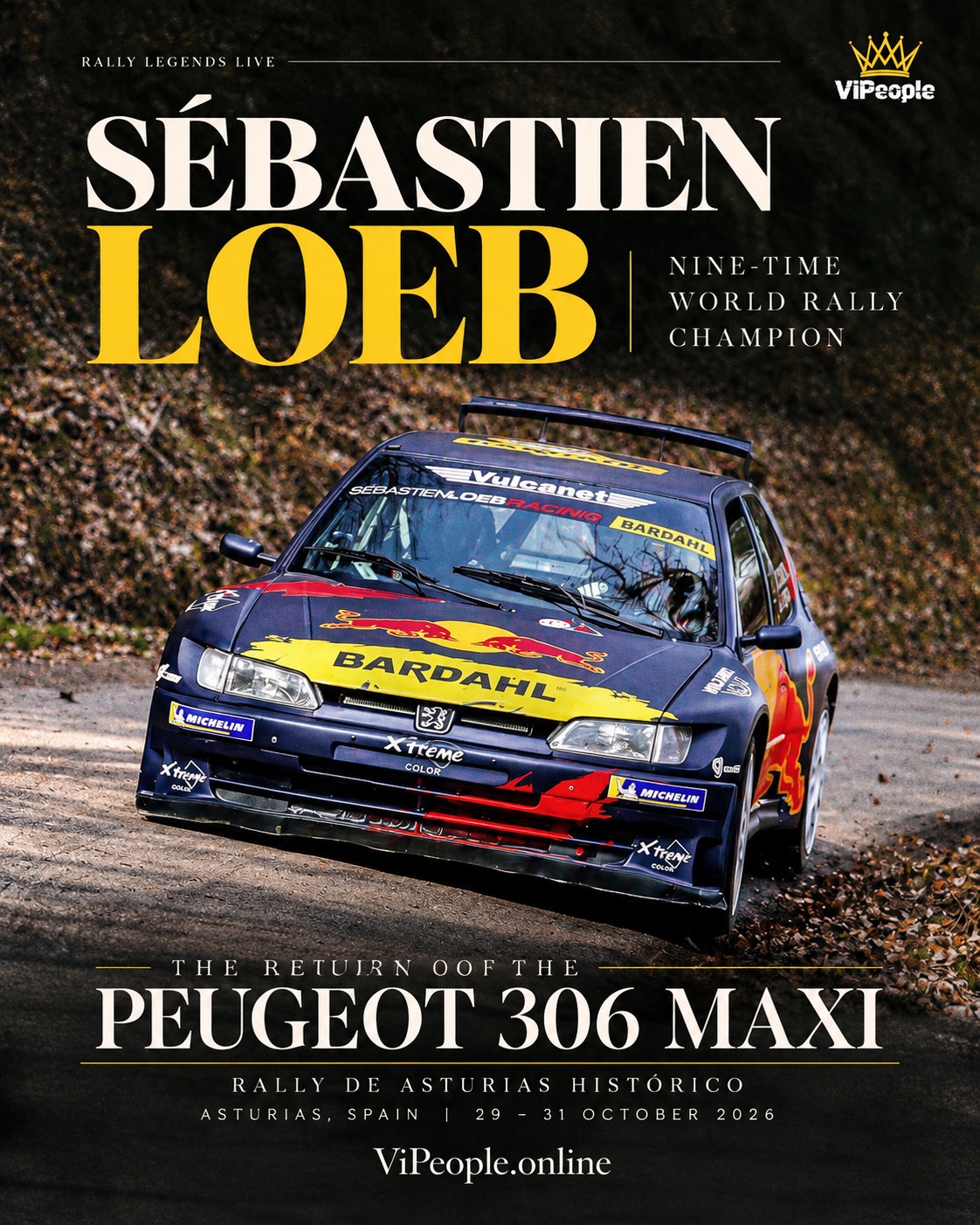
The Peugeot 306 Maxi and the Ford Puma Rally1 gave the weekend an unusually vivid comparison. The 306 Maxi belongs to the kit car era, a compact front-wheel-drive machine shaped for speed on smooth tarmac. Its appeal comes from the way it can carry momentum through a corner and make a narrow road feel like an open invitation. Loeb’s driving gave the car a modern audience without changing its place in rally history.
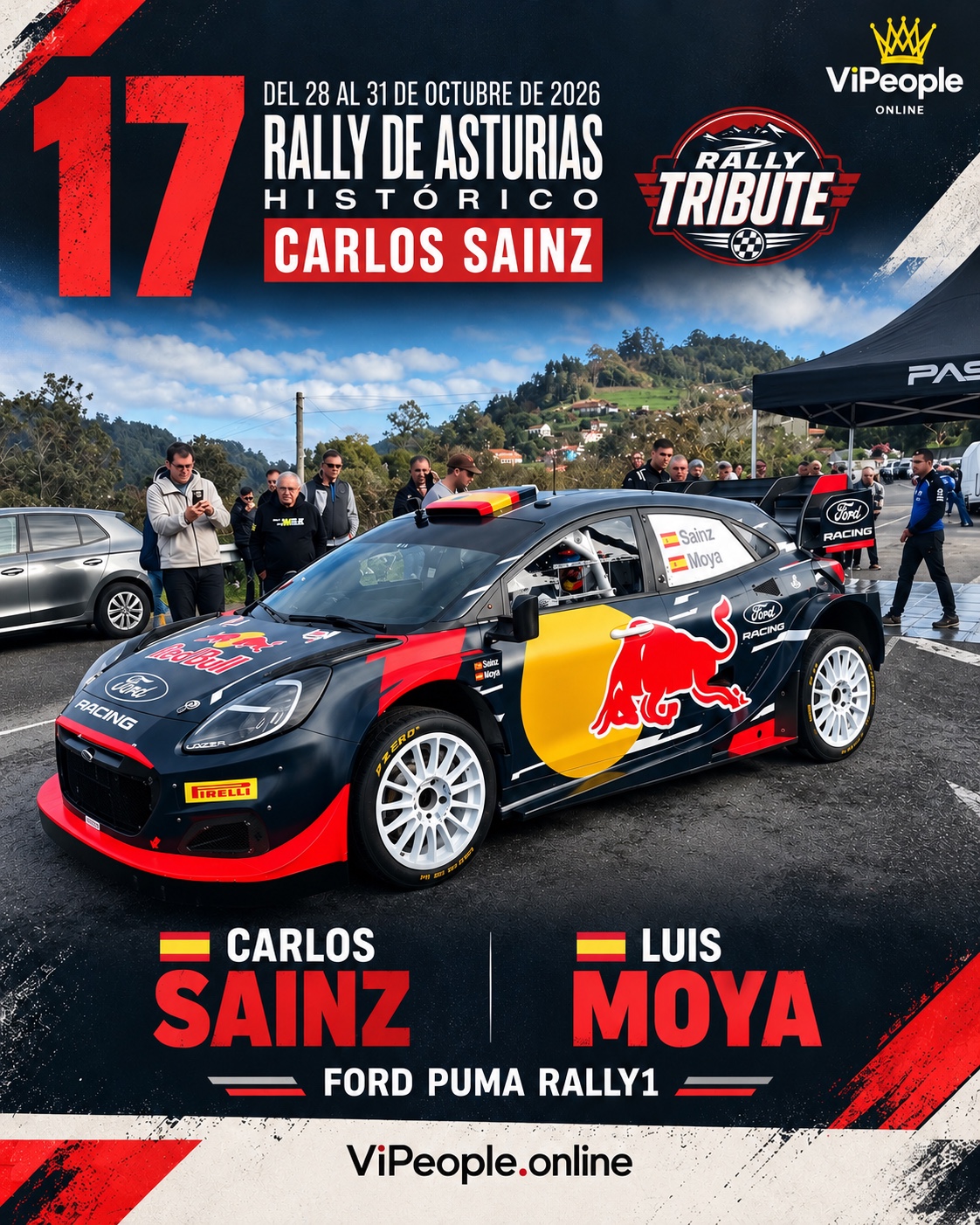
The Puma Rally1 represents a different engineering brief. It is a purpose-built four-wheel-drive rally car with a larger footprint, current safety structure and a different relationship between traction and corner speed. Sainz and Moya have spent much of their careers in machinery that evolved across eras. Their Asturias entry placed that experience in a present-day car, on stages whose changes in grip and rhythm still asked for concentration.
The visual contrast was never the whole point. A rally cannot be won by nostalgia. Each team had to study the route, prepare notes, service the car and respond to what the road offered. The two cars made the event easy to understand from the roadside. The crews made it compelling through the classification and the decisions made once the stages began.
Moya’s return gave the homecoming its voice
Sainz and Moya competed together through one of the most celebrated partnerships in rally history. A co-driver’s work is often invisible to the audience, yet the notes turn a blind road into a sequence the driver can trust. The partnership was built on timing, clarity and confidence at speed. Their return to the same cockpit made the Asturias Tribute more than a parade of famous names.
The crowd could recognise the story before the Ford reached a stage start. The result supplied a new chapter. Sainz and Moya did not arrive only to receive applause. They entered the timed sections, worked through the rally and finished first after the leading crew retired. That competitive context gave the event its strongest form of tribute. It honoured Sainz by letting him do what he has always done: drive a rally.
Their partnership carries a particular authority because it was formed through years of shared competition. A driver makes the final movement of the car, but the co-driver gives the road a structure before it can be seen. Notes have to arrive in the right rhythm and remain clear when the stage becomes loud. Moya’s return to the seat beside Sainz made that familiar relationship visible again to a crowd that understands what the two names have meant together.
The Ford’s Rally1 identity also linked the tribute to contemporary rallying. Sainz could bring a current top-level car to the Asturias roads, while the Peugeot 306 Maxi represented a different chapter of the sport. That contrast helped explain the weekend to spectators, but the classification was still decided by the work of each crew. A historic event gains depth when its cars carry memory and its stages ask for speed in the present.
Loeb’s retirement also leaves the weekend with a more complicated memory than a straightforward duel. The early lead showed the pace in the 306 Maxi and the understanding the crew had built with it. The clutch problem ended their challenge before the finish. Both things can be true at once. A rally gives a crew space to demonstrate speed, and the mechanical side can still decide whether that speed reaches the final classification.
A result that belongs to the road
The final order placed Sainz and Moya first, Delecour and Gordon second, and the Madeira crew third. It gave the event a clear sporting conclusion after a week shaped by public affection and a Saturday still full of possibility. For those watching from the stages, the winner was the crew that stayed in the fight to the end. For the organiser, the result completes a tribute built around a living competitor and the generations of rally fans who have followed his career.
The event also brought Loeb and Sainz back onto the same asphalt rally stage for the first time since their shared period at Citroën, according to the event reports. Their careers have crossed through rivalry and teamwork. Asturias placed them together again with different co-drivers and different cars. The timing sheets offered an immediate comparison, while the crowd could see how long that shared history has travelled.
For Sainz, the victory is a strong ending to a weekend that began as an honour. For Moya, it is a result shared with a co-driver who helped define his career. For Loeb and Galmiche, the story is unfinished in the way retirements often leave a rally, with a fast opening and no opportunity to complete the comparison. Asturias gave every crew its own experience of the same roads.
The proper headline is the one the final order supports. Carlos Sainz and Luis Moya won the 2026 Rally de Asturias Histórico in the Ford Puma Rally1. Loeb and Galmiche had led before a clutch problem ended their event. Delecour and Gordon followed the winners into second, with Rui and Paula Madeira third. A tribute became a competition, and the road decided how each part of the weekend would be remembered.