
MotoGP Is Bringing Its Sound to Formula One at COTA
Four riders are scheduled to take MotoGP machinery onto the Circuit of The Americas during Saturday of the United States Grand Prix weekend. The short showcase puts two global racing series together on one of the sport’s most recognisable modern circuits.
Photograph: MotoGP- Planned showcase
- Saturday 24 October, 11:40 am to noon CDT
- Venue
- Circuit of The Americas, Austin, Texas
- Scheduled riders
- Dani Pedrosa, Nicolò Bulega, Andrea Dovizioso and Lorenzo Savadori
- Formula One session immediately after
- United States Grand Prix FP3
- MotoGP return to COTA
- 23 to 25 April 2027
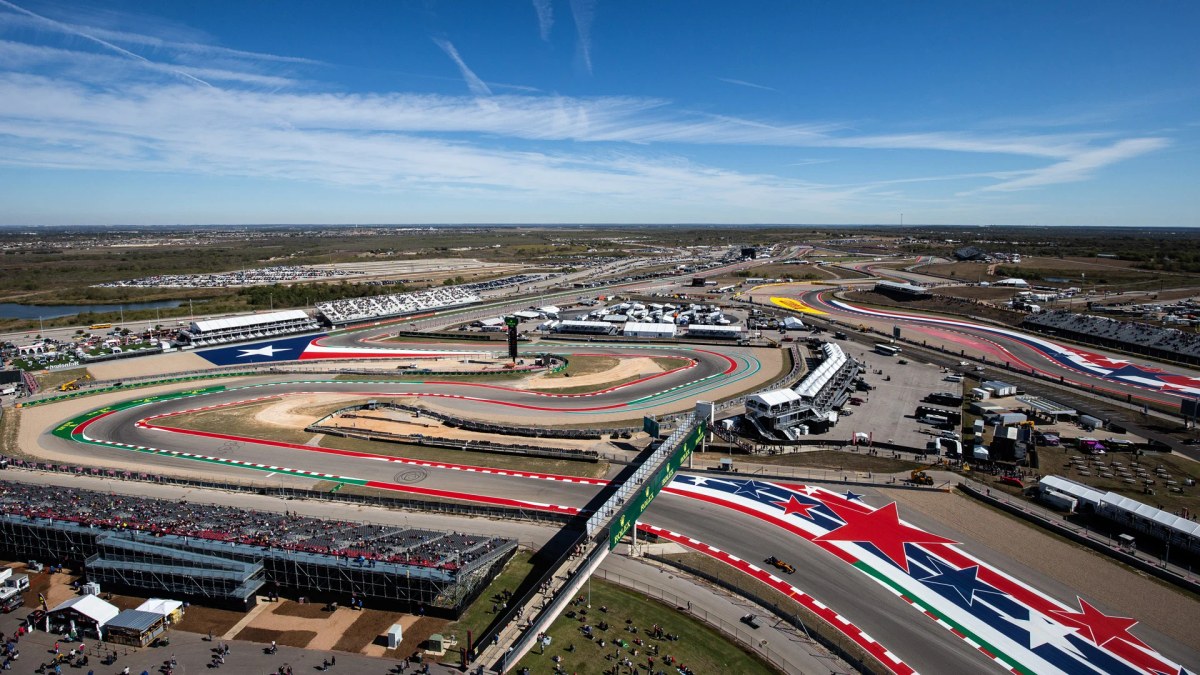
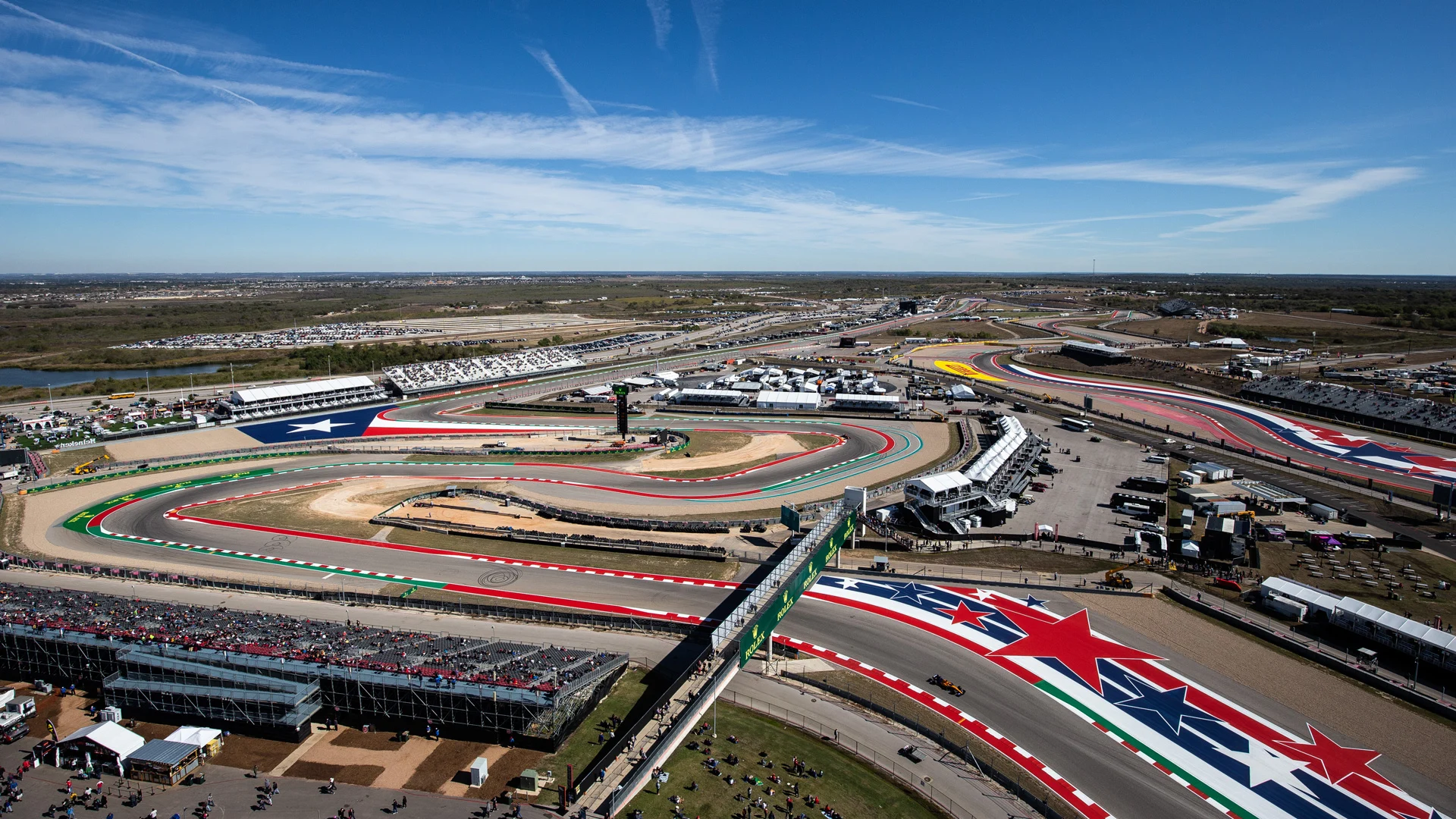
The Circuit of The Americas is about to host a different kind of engine note. On Saturday of the United States Grand Prix weekend, MotoGP plans to bring four premier-class motorcycles onto the Formula One circuit for a short showcase. It is a compact appearance, scheduled for noon local time, but an unusual one: MotoGP machinery appearing as part of a Formula One Grand Prix weekend for the first time.
The demonstration is scheduled for 11:40 am to noon CDT on 24 October, before Formula One’s third practice session. Dani Pedrosa, Nicolò Bulega, Andrea Dovizioso and Lorenzo Savadori are the riders named by MotoGP. It is a planned event, not a race. The official announcement describes a high-speed showcase, with no head-to-head contest scheduled.
One circuit, two very different disciplines
COTA is a useful setting because it already belongs to both calendars. Formula One returns to Austin on 23 to 25 October. MotoGP will race there again in April 2027. The circuit’s mix of long straights, heavy braking and rapid changes of direction gives both categories a place to show what their machines do well, even though the cars and bikes ask different things of the track.
For spectators, the contrast is likely to be immediate. A Formula One car fills the track with aerodynamic grip and a broad tyre footprint. A MotoGP motorcycle changes direction through the rider’s movement, with the machine leaning beneath them and the line shaped by a pair of contact patches. The showcase will not answer which is faster in any universal sense. It will make the difference between the two forms of speed visible.
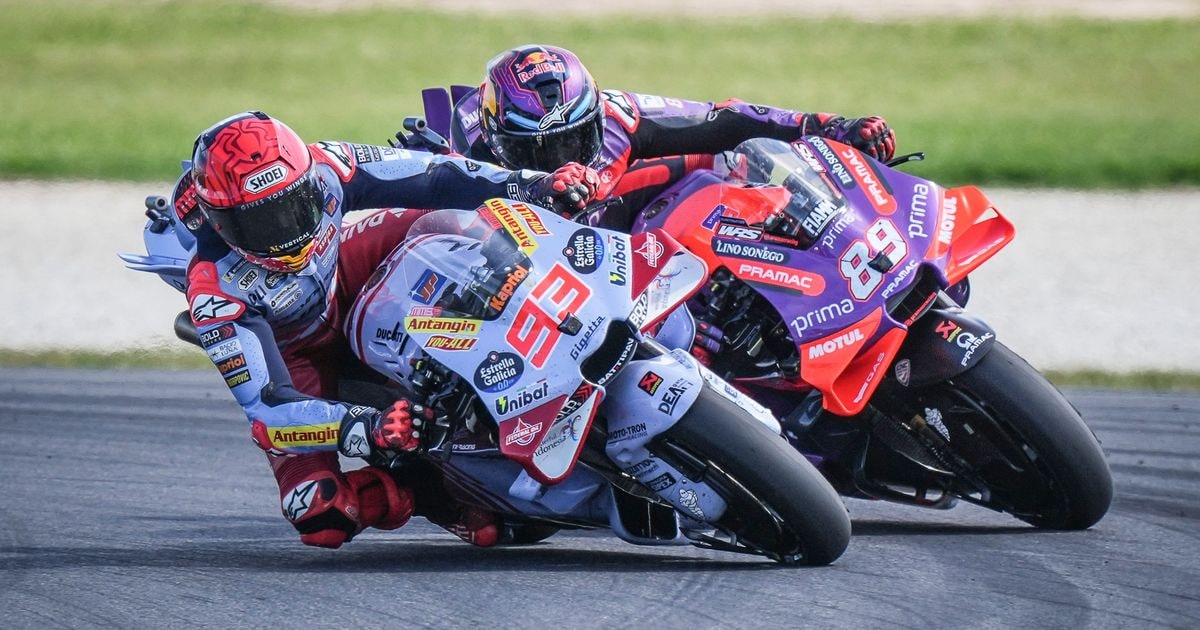
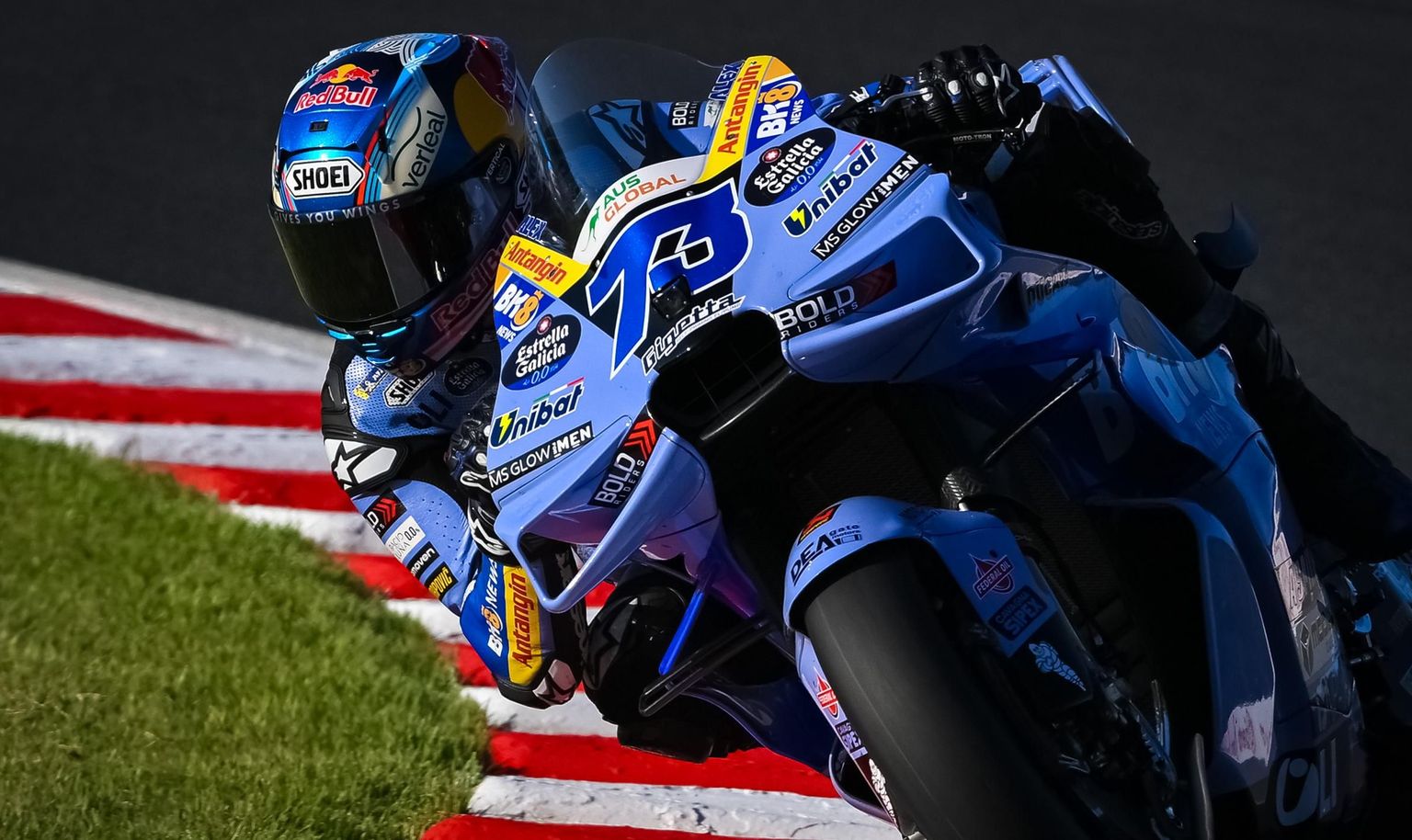
MotoGP says its premier-class motorcycles can exceed 225 mph and lean beyond 60 degrees. Those figures describe the category’s capabilities, not a promise about speeds or lean angles during this particular demonstration. The session is short, and the event’s purpose is presentation as much as performance.
The short slot is part of its appeal. A full race weekend is shaped by practice, qualifying, technical briefings and a long Sunday contest. A showcase compresses that world into a few minutes that a new audience can absorb between its own championship sessions. It will not reproduce the pressure of a race start or the long rhythm of a Grand Prix. It can offer a close look at the riders, the sound and the physical scale of a premier-class motorcycle moving through a circuit built for international competition.
Four riders with different connections to the paddock
Pedrosa brings the perspective of a former Grand Prix race winner and current KTM test rider. Dovizioso, a former MotoGP title contender, is taking part in his Yamaha test-rider role. Savadori represents the development side of Aprilia’s programme. Bulega arrives with a different kind of transition ahead: after building his reputation in WorldSBK, he is due to move into MotoGP in 2027.
That mix makes the appearance more than a parade of familiar names. It places current development work, championship history and the next step in a rider’s career on the same short stage. The official announcement names the participants, but it does not promise a race, lap-time comparison or competitive result. The interest lies in seeing the machines and riders share a Grand Prix weekend that is usually organised around one category.
Pedrosa’s presence carries a particular technical curiosity. Test riders spend much of their work away from the spotlight, helping manufacturers assess parts and ideas over repeated laps. Dovizioso and Savadori bring a similar development perspective from their respective programmes, while Bulega offers a visible link to the rider pipeline from WorldSBK to MotoGP. Their roles explain why the group is well suited to a demonstration. It is a meeting of people who know the machinery deeply, even if the occasion itself is designed for the crowd.
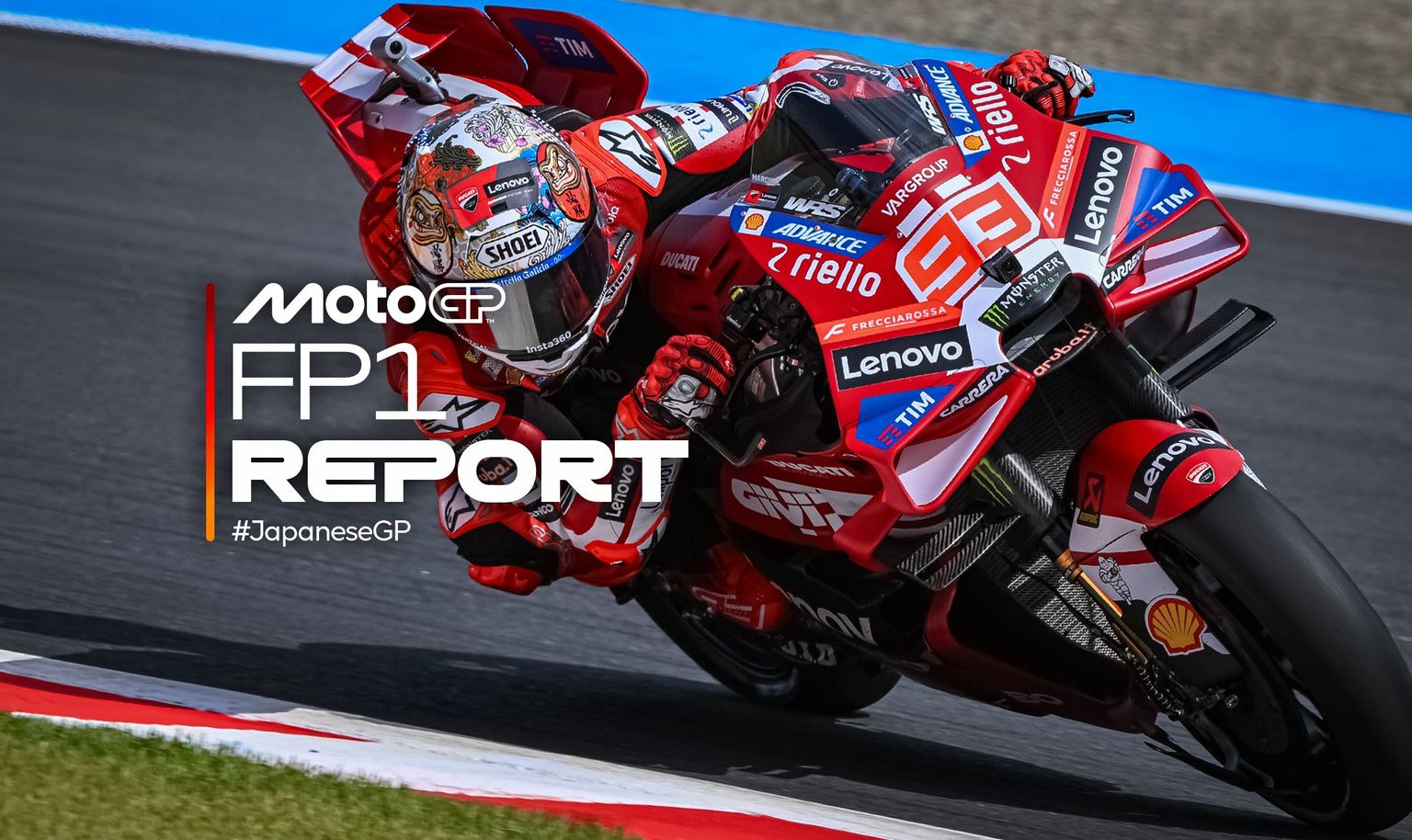
A glimpse of the next MotoGP visit
The showcase is also a small bridge to MotoGP’s own 2027 event at COTA, listed for 23 to 25 April. The circuit is already familiar to the championship, but the event’s reach changes when the bikes appear in front of the Formula One audience. MotoGP has said it expects around 400,000 fans across the United States Grand Prix weekend. That is an attendance expectation for the full event, not a count for the demonstration itself.
The timing matters. Formula One’s Friday and Saturday schedule fills the venue with an audience following a different paddock. A carefully placed appearance can invite those fans to watch MotoGP without asking them to learn a new calendar first. The same moment gives MotoGP supporters a chance to see their sport represented in a setting usually defined by cars.
For both championships, the value is measured in attention as much as track time. Motorsport audiences are not sealed into separate rooms. Some fans follow one series closely and sample another through a friend, a family member or a weekend ticket. A live demonstration gives that curiosity a tangible form. The organisers have not announced a larger joint programme, so it is better to see this as a focused invitation than to claim it signals a new shared championship format.
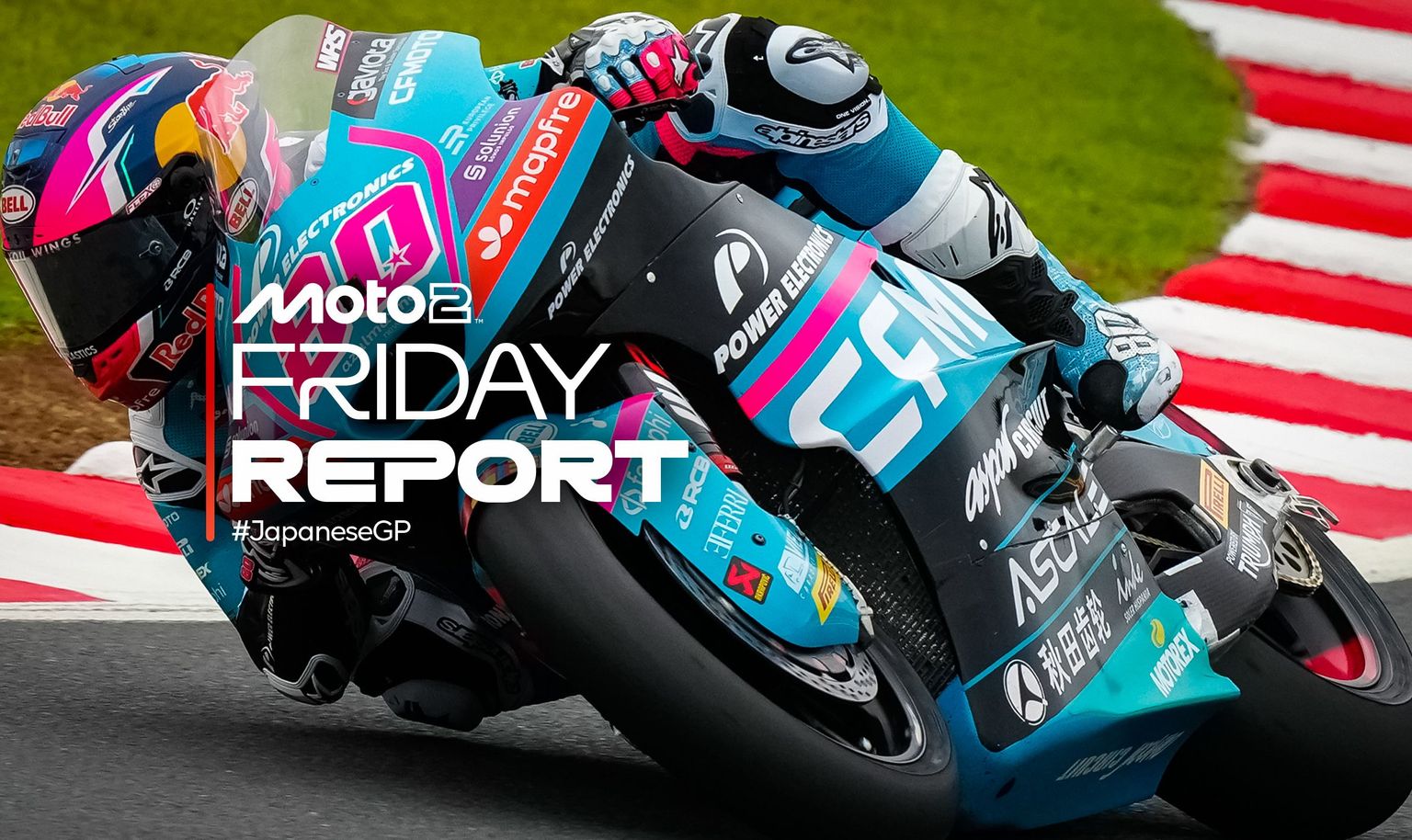
The appeal is the difference, not a crossover race
It is tempting to turn any joint appearance into a contest about which machine is quickest. That question is not what this event can answer. Different categories are designed around different rules, tyres, safety systems and rider or driver demands. A few exhibition laps cannot compare them fairly, and the organisers have not described the showcase as a challenge between disciplines.
The better story is how close two separate racing worlds can come on a single weekend. The schedule gives MotoGP a brief place inside Formula One’s event, then leaves the rest of the programme intact. If it works, the sound and sight of four motorcycles at COTA will be enough to make the moment memorable without inventing a competition that is not there.
There is also a useful reminder in the setting. COTA is not a neutral stage waiting for one category to define it. Each championship finds a different rhythm in the same bends, and the fans bring their own knowledge of what a fast lap looks like. A side-by-side comparison would flatten that into a contest. A demonstration can do something more generous: let each discipline keep its character while giving the audience a reason to notice the other one.
The confirmed details remain deliberately modest. Four riders, a Saturday slot before FP3, a short exhibition and a return visit by MotoGP in April 2027. The planned appearance will be judged by the atmosphere it creates and whether it leaves new fans curious enough to follow the next event. That is a small ambition on paper. At a circuit filled with thousands of people and two of racing’s most recognisable sounds, it could be a vivid one.