The Pulsar N250 SS Adds a Sixth Gear and a More Modern Cockpit
Bajaj has launched the updated Pulsar N250 SS at ₹1,59,406 ex-showroom in Delhi. The new six-speed gearbox, TFT display, electronic throttle and riding modes give the quarter-litre roadster a deeper equipment story, while the price premium over the standard N250 asks buyers to decide how much that extra control is worth.
ViPeople India DeskPublished 10 min read
Photograph: BikeWale / Auto Expo
Audio articleListen to this storySerena (Enhanced) · English UK
The new Pulsar N250 SS is not a new engine wrapped in a completely new motorcycle. It is a more substantial update to a familiar quarter-litre roadster, built around a sixth gear and a modernised cockpit. Bajaj’s move is practical, adding more ways to manage a ride while asking whether those additions justify a higher price.
The N250 SS has been launched at ₹1,59,406 ex-showroom in Delhi, according to BikeWale’s launch report. That places it about ₹14,000 above the standard N250. The price gap buys more than a display. The update includes a six-speed gearbox, electronic throttle control, selectable modes, adjustable levers, a USB-C port, hazard lights and a Sports Shifter function.
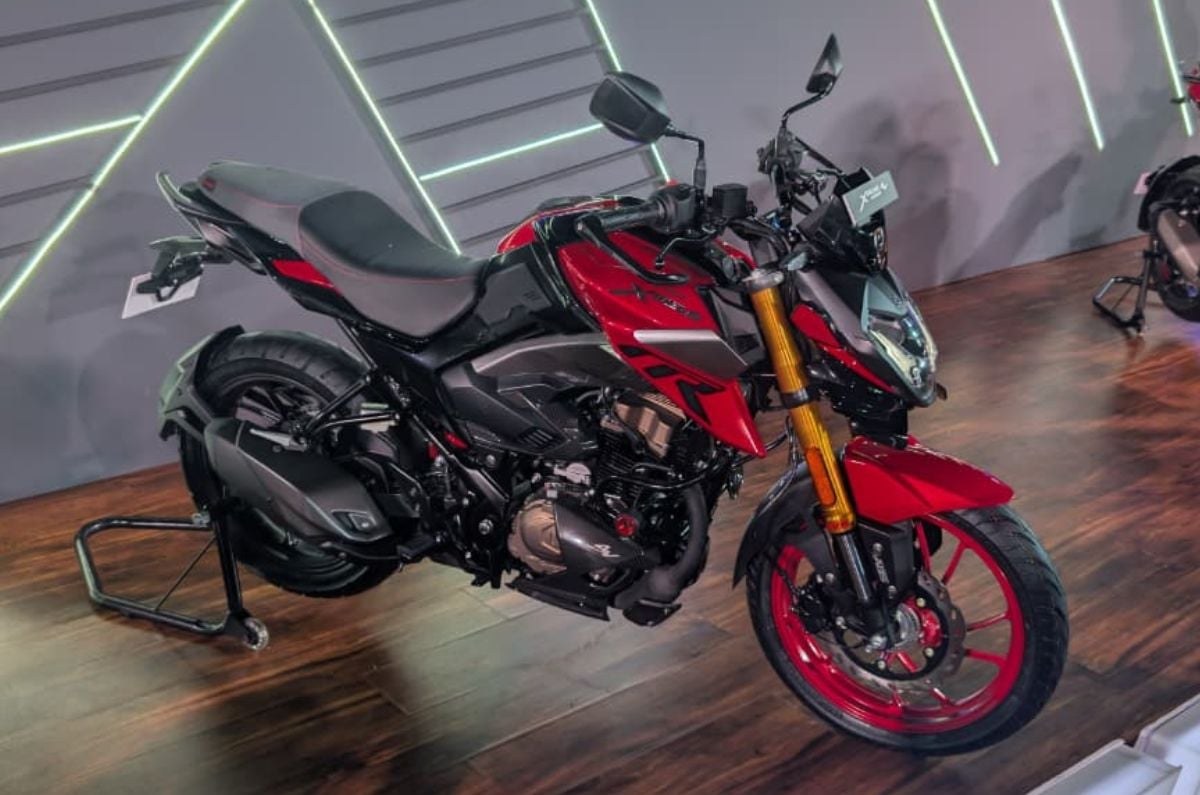
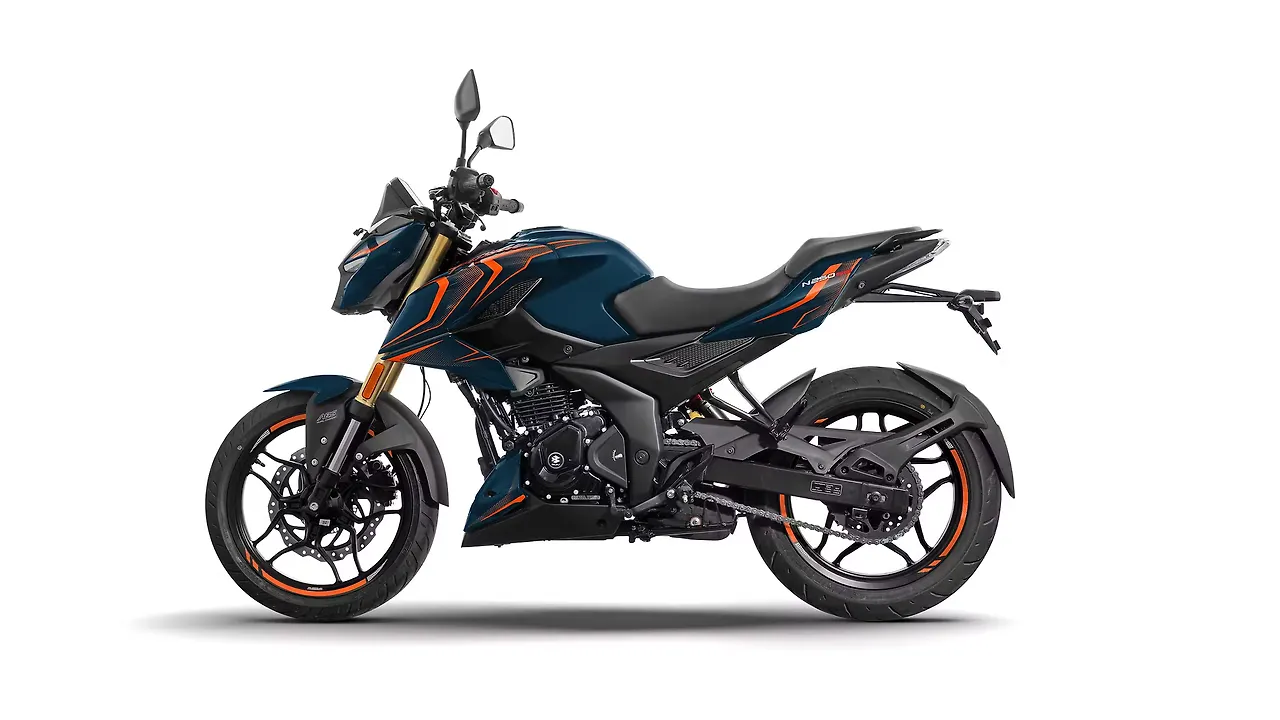
The new Pulsar N250 SS in side view. Bajaj’s launch price is ₹1,59,406 ex-showroom in Delhi.Photograph: BikeWale / Auto Expo
A sixth ratio changes the character of the engine
The 249cc four-valve single is reported to produce 24.6 bhp and 22 Nm. The important mechanical change is the move from five speeds to six. The additional ratio can give the rider more flexibility in choosing engine speed, especially when the road opens up or when traffic calls for more precise control. It is not, by itself, a guarantee of better fuel economy or smoother touring. Those outcomes depend on gearing, calibration and how the engine responds in everyday use.
Electronic throttle control is the other important change. It allows the engine response to be managed through software instead of a direct cable connection, making selectable riding modes possible. That can help tailor throttle response to different conditions, though the mode names and their actual effect should be judged on the road, also from the menu.
A sixth gear only improves the experience if the ratios suit the engine and the way people use the bike. In town, riders may spend most of their time in the lower gears, where response and clutch feel matter more than the number on the display. On an open road, another ratio could let the engine settle into a different rhythm. The launch details do not give us the full gear spread, so any claim about lower cruising revs or better economy would be guesswork. A first ride will show whether the extra shift feels like a natural part of the motorcycle.
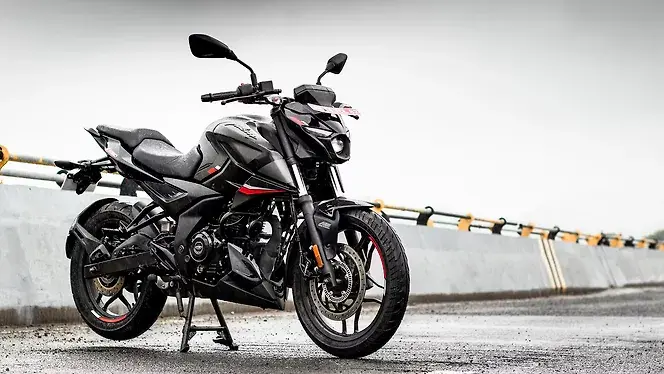
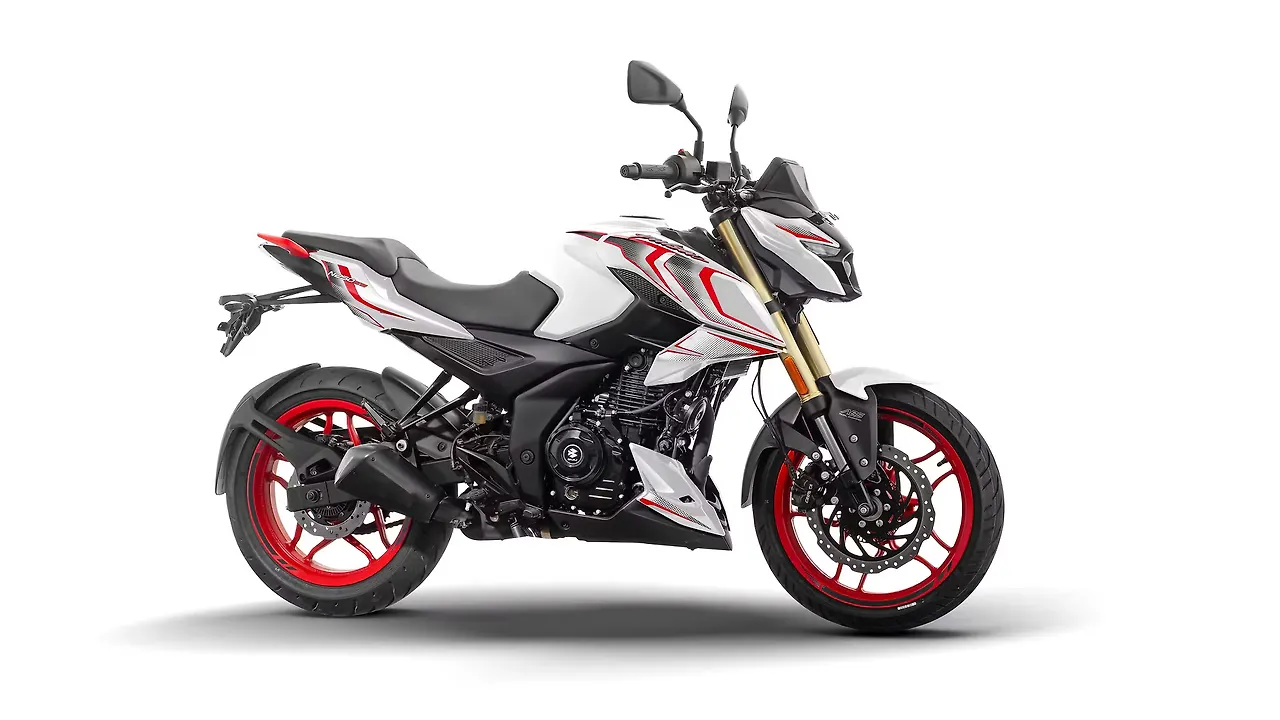
An alternate side view of the N250 SS, showing its updated roadster stance and bodywork.Photograph: BikeWale / Auto Expo
A screen should earn its place
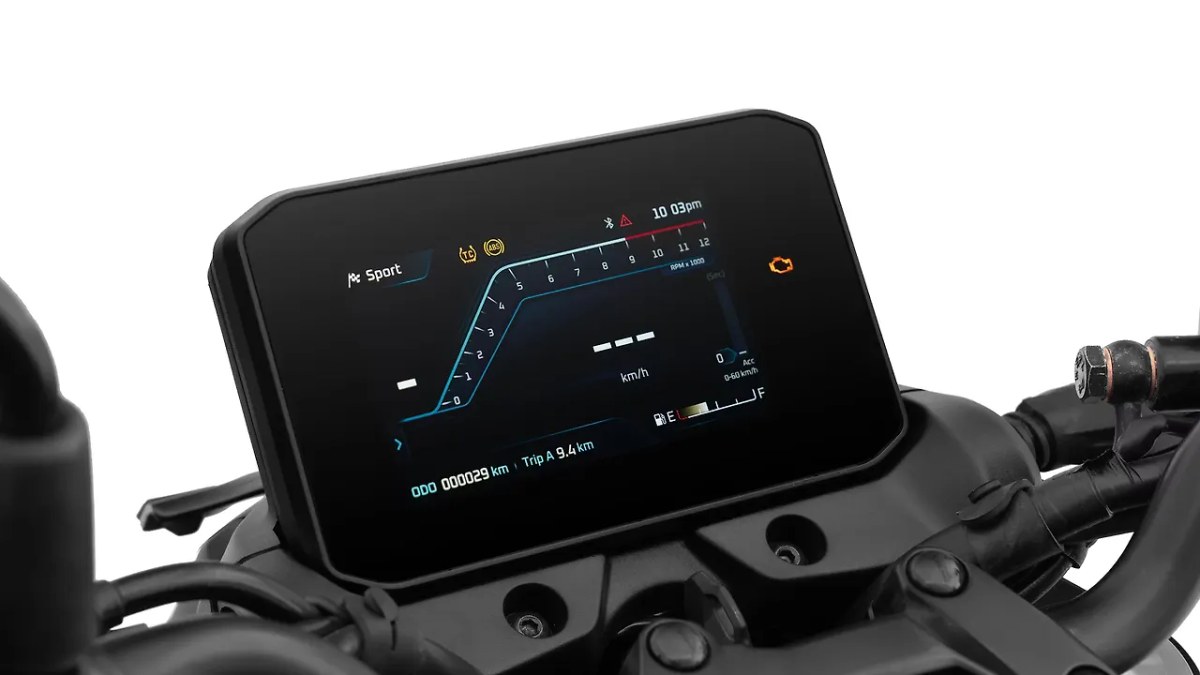
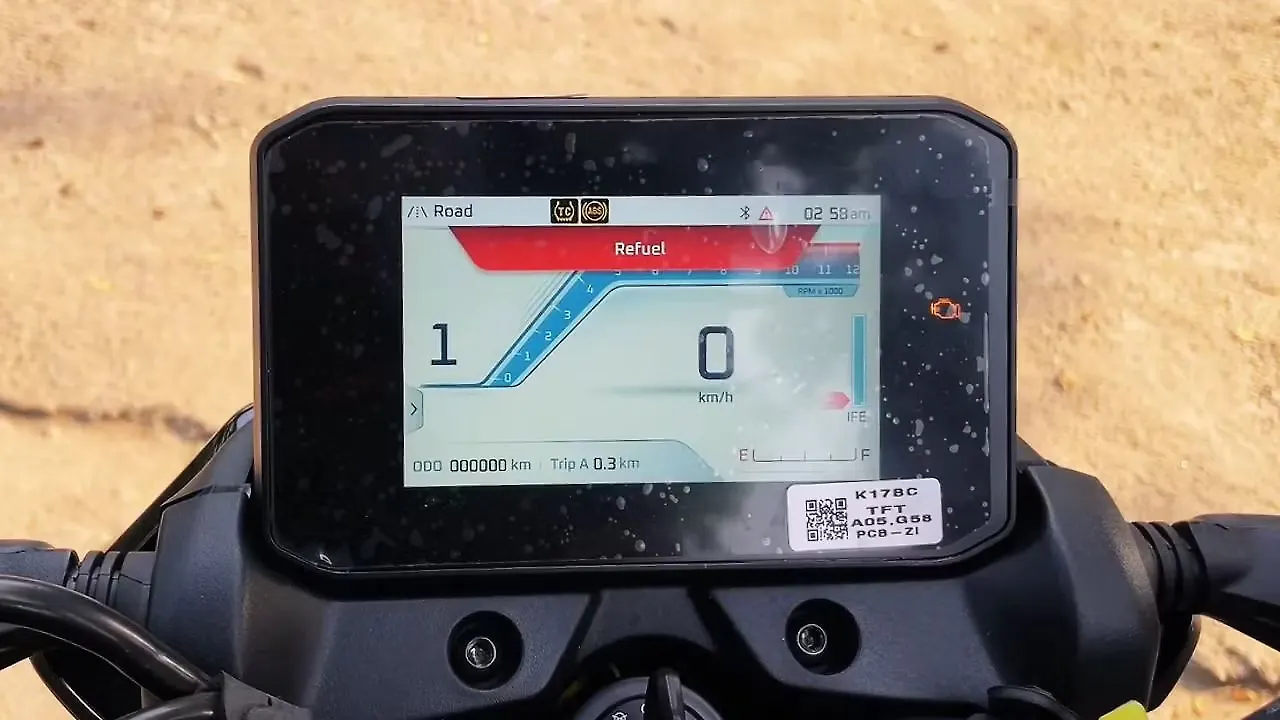
The TFT instrument display brings Google Maps mirroring to the N250 SS. For a rider navigating through unfamiliar parts of a city, directions placed in the instrument panel can be more useful than repeatedly glancing at a phone. The practical details matter: whether the pairing is reliable, whether the map remains legible in bright daylight and whether the system behaves cleanly when a call or another notification arrives.
Bajaj has also added everyday touches that can disappear behind the bigger headline. Adjustable levers let riders set reach to suit their hands. USB-C provides a current charging connection. Hazard lights and Panic Brake Alert address visibility to other road users, while the Sports Shifter is intended to make gear changes more engaging. Each feature is small on its own. Together they make the update feel more considered.
That list points towards the way motorcycles are now being used. A rider may leave home with a phone for navigation, depend on a charger through a long commute and want controls that fit without a stretch. The new equipment answers those habits in practical ways. It also adds more systems for the owner to learn and maintain. Good integration will matter: the screen should be easy to read, the charging port should be sensibly placed and the controls should remain clear with gloves on.
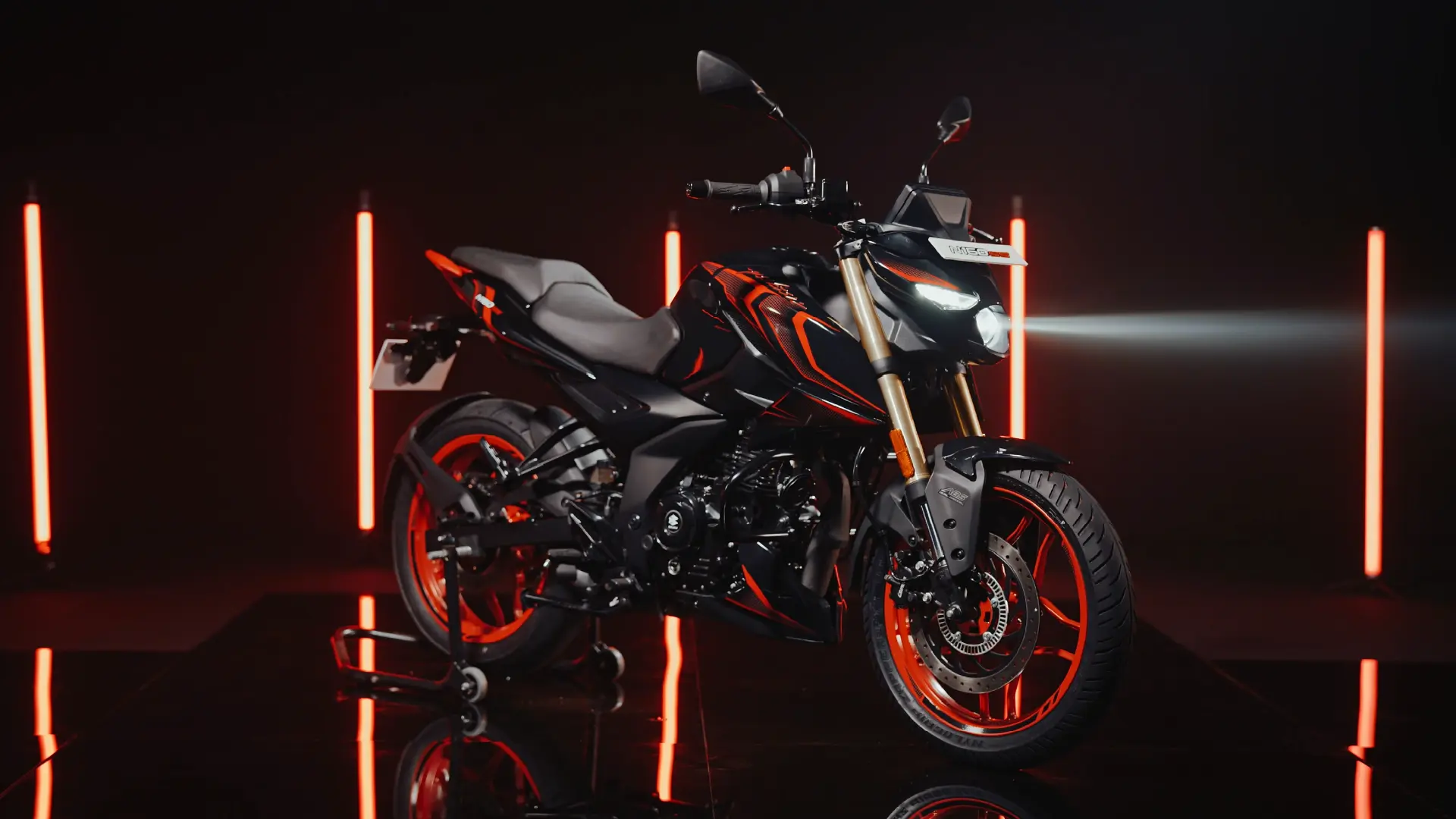
A close view of the N250 SS headlamp design. The new model adds electronic throttle control and selectable ride modes to the updated package.Photograph: BikeWale / Auto Expo
The standard N250 remains the reference point
The higher price creates a useful comparison point, not a simple upgrade ladder. The standard Pulsar N250 continues to represent the more straightforward value choice, with its five-speed gearbox and simpler display. The N250 SS asks the rider to pay for added equipment and a more configurable ride. A buyer who mainly travels short urban distances may value those additions differently from somebody who spends more time on open roads.
The official Bajaj product page continues to describe the standard N250 specification. For the SS details and launch price in this story, we have relied on current launch reporting and labelled that sourcing clearly. Bajaj’s full public product information should be checked against the exact variant at a dealership before purchase.
The price difference deserves a patient calculation. The ex-showroom figure is only the first part of the purchase, and the on-road total depends on registration, insurance and location. A buyer should also ask how the electronics are supported through the warranty and what a replacement screen or sensor would mean over time. Those questions are part of evaluating a more technology-rich motorcycle, not reasons to dismiss it. They help show whether the extra equipment will remain an asset after the new-bike feeling has passed.
An earlier instrument-cluster photograph from the N250 update story. It illustrates the TFT interface, but is not represented as a photograph of the final launch bike.Photograph: BikeWale / Auto Expo
The next question is how it rides
A launch specification can tell us what changed, but not whether the changes work together. The added gear needs to feel natural. The throttle modes should make the bike easier to place, not less predictable. Navigation needs to stay readable, while the controls and clutch must remain comfortable after a long ride. These are the details that separate a useful update from a checklist of new features.
The N250 SS has a stronger argument than a cosmetic refresh because several of its additions address the relationship between rider and machine. The gearbox broadens the available ratios. Ride modes add a layer of control. A TFT and map mirroring bring the cockpit closer to what riders now expect in the segment. But the standard N250 is not made irrelevant by the new model. It simply leaves buyers with a clearer choice.
The standard motorcycle still has an important role in that choice. Simpler equipment may be enough for a rider who wants familiar mechanical basics and a lower entry price. The SS makes more sense for someone who expects to use the display, values the extra gear and wants the flexibility of electronic throttle modes. The right answer will depend on a person’s daily route, their experience and how much they value each addition. A feature list can help narrow the question. A test ride will tell each buyer which details matter in their hands.
At ₹1,59,406, the N250 SS needs to justify its premium through feel as much as equipment. If the six-speed transmission suits the engine and the electronics remain intuitive, the extra outlay may make sense for riders who want a more complete package. The answer will come on familiar roads, not from the launch stand.
Comments0
Join the ViPeople conversationSign in with Google to comment, like and save stories.Continue with Google