
Bajaj Gives the Pulsar N160 a Four-Valve Engine and a TFT Screen
The N160 S and N160 SS launch at ₹1.33 lakh and ₹1.42 lakh, with a new 164.5cc engine, USD forks, ride modes and traction control.
Created using advanced editorial technology. Reviewed and approved by ViPeople.
Photograph: Bajaj Auto- Models
- Pulsar N160 S · Pulsar N160 SS
- N160 S price
- ₹1,33,511 (ex-showroom Delhi)
- N160 SS price
- ₹1,42,585 (ex-showroom Delhi)
- Engine
- 164.5cc, 4-valve, oil-cooled
- Power / torque
- 18.3bhp @ 9,500rpm · 14.65Nm @ 6,750rpm
- Front suspension
- 37mm upside-down forks
- Brakes
- 300mm front · 240mm rear disc, dual-channel ABS
- Display
- 5-inch TFT with map mirroring (SS)
- Electronics
- Ride modes, traction control
- ARAI mileage
- 51.6kmpl
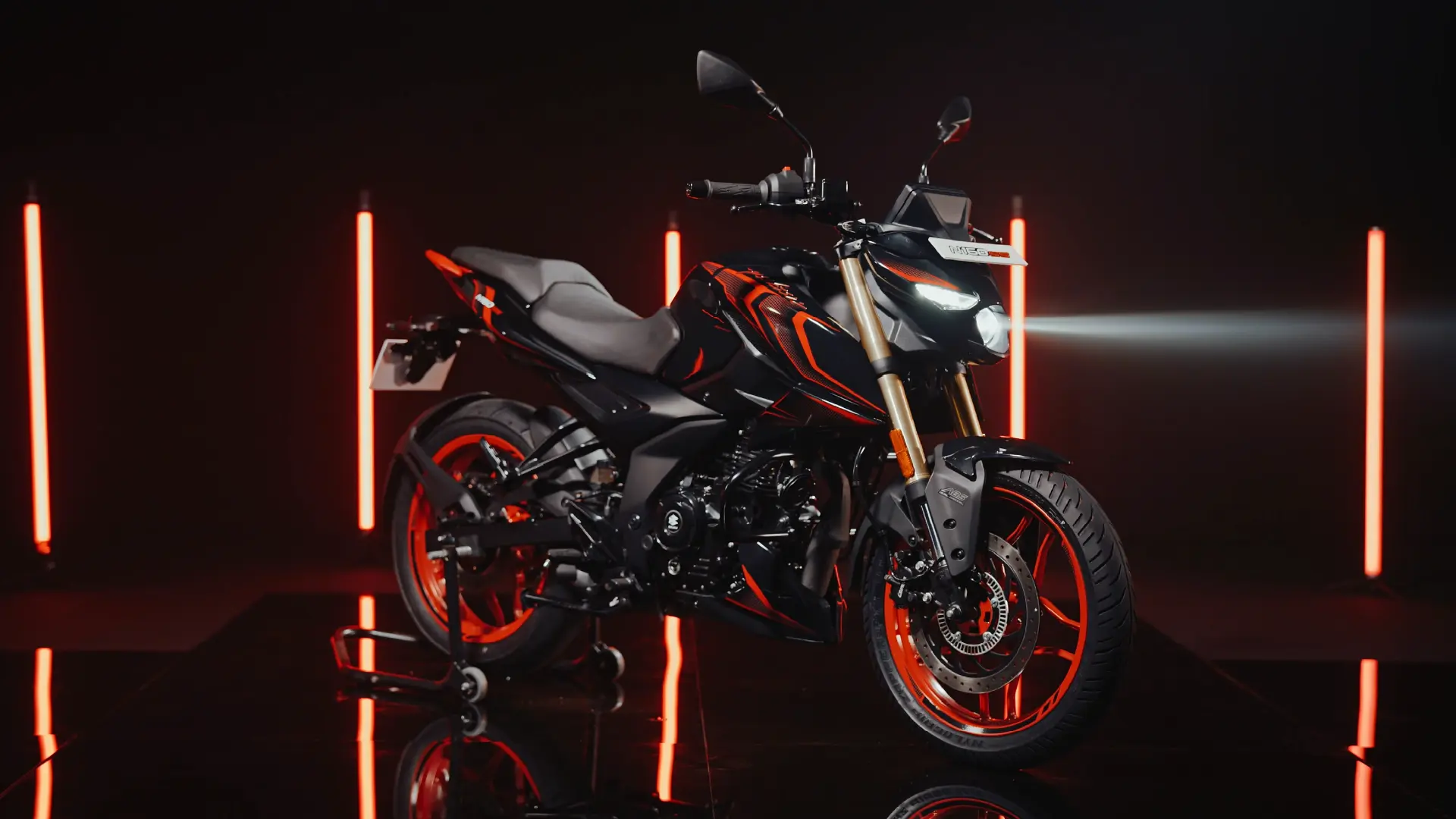
Bajaj has launched two new versions of the Pulsar N160, and the headline change is the one you can't see from across a parking lot: the engine now breathes through four valves instead of two.
The Pulsar N160 S is priced at ₹1,33,511 and the N160 SS at ₹1,42,585, both ex-showroom Delhi. Both share a completely new 164.5cc four-valve, oil-cooled engine, producing 18.3bhp at 9,500rpm and 14.65Nm at 6,750rpm, sent through a 5-speed gearbox with an assist-and-slipper clutch. ARAI rates it at 51.6kmpl, with a claimed riding range of 722km on a full 14-litre tank, so the extra performance arrives while keeping all the practicality this segment is built around.
Four valves, and the electronics to match
Going from two valves to four per cylinder is the kind of update that improves the way the engine delivers its power. The changes bring better breathing at higher revs and a broader, more usable spread of torque through the rev range that matters most in city traffic. Bajaj has paired the new engine with an electronic throttle body, opening the door to selectable ride modes and traction control, both genuinely new to this bike and both features that were, until now, the preserve of considerably more expensive motorcycles.
The chassis gets a proper upgrade too
The chassis got just as much attention as the engine. The N160 now runs 37mm upside-down front forks in place of the old conventional units, a change that shows up immediately in how confident the front end feels under braking and through faster corners. Braking itself grows to a 300mm front disc and 240mm rear, both with dual-channel ABS, and the whole package is tied together by a 5-inch TFT display carrying a segment-first map mirroring function on the SS, alongside Bluetooth connectivity for calls and notifications.
S and SS: the difference is equipment, not the machine underneath
The SS sits above the S on the strength of its equipment list, principally that map-mirroring TFT and the finer points of its finish. The engine, chassis and running gear underneath are identical between the two, so the choice comes down to how much value a rider places on that extra kit, not on any difference in how the bike actually goes or stops. Bajaj is putting the N160 up against the TVS Apache RTR 160 4V, the Hero Xtreme 160R and, at a stretch, the Yamaha MT-15, and with USD forks and traction control now on the spec sheet, it's a considerably stronger case than the outgoing bike could make.
More control in the everyday motorcycle
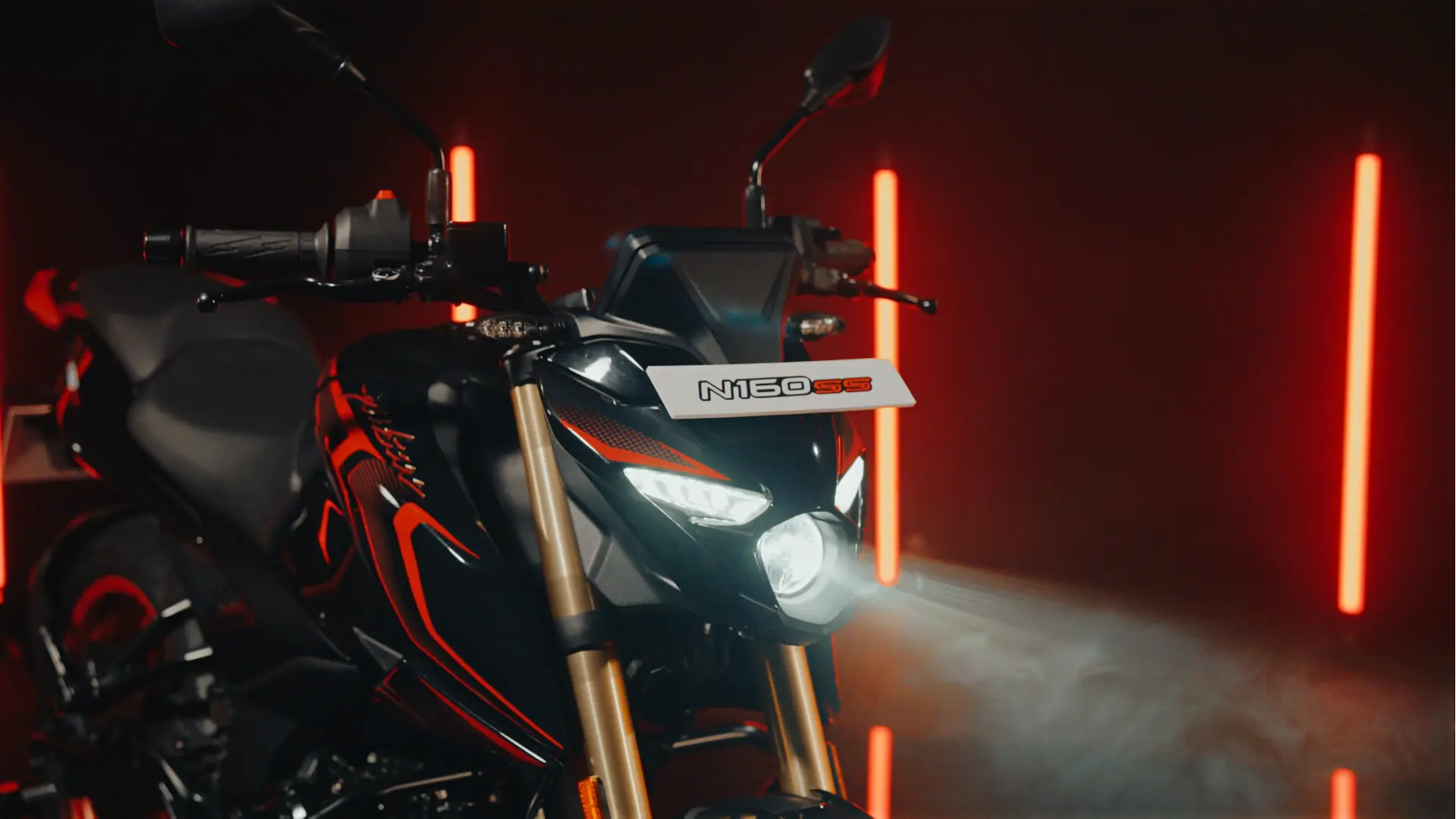
The Pulsar N160 has moved into a more serious equipment conversation with its four-valve engine, upside-down forks, ride modes and traction control. Those additions matter because they change the rider’s relationship with the motorcycle. A bike becomes easier to understand when the throttle response is predictable, the front end gives useful information and the electronics support good judgement in a difficult moment.
The new TFT screen also changes how the rider meets the machine. Information can be presented more clearly, while connected features make the motorcycle feel closer to the wider digital life of its owner. The trick is keeping those features subordinate to the ride. A screen is useful when it helps the rider stay informed without stealing attention from the road.
At this price point, the N160’s achievement is the breadth of the package. It gives younger riders access to equipment once reserved for more expensive motorcycles and gives experienced commuters a reason to keep looking at the middle of the range. The Pulsar has always been about accessible excitement. This version gives that idea more depth.
The N160’s new character should be clearest when a familiar road opens into a faster stretch. The rider has more useful information through the chassis, more control at the front and a better sense of what the engine is doing. These are the qualities that turn equipment into confidence.
There is a wider significance in bringing that package to a middleweight motorcycle. Riders learn on machines that give feedback. When the bike offers modern support without becoming intimidating, it can help a new motorcyclist develop good habits and help an experienced commuter enjoy the ride again.