
Pajari Turns a Perfect Estonia Run into a Breakthrough WRC Victory
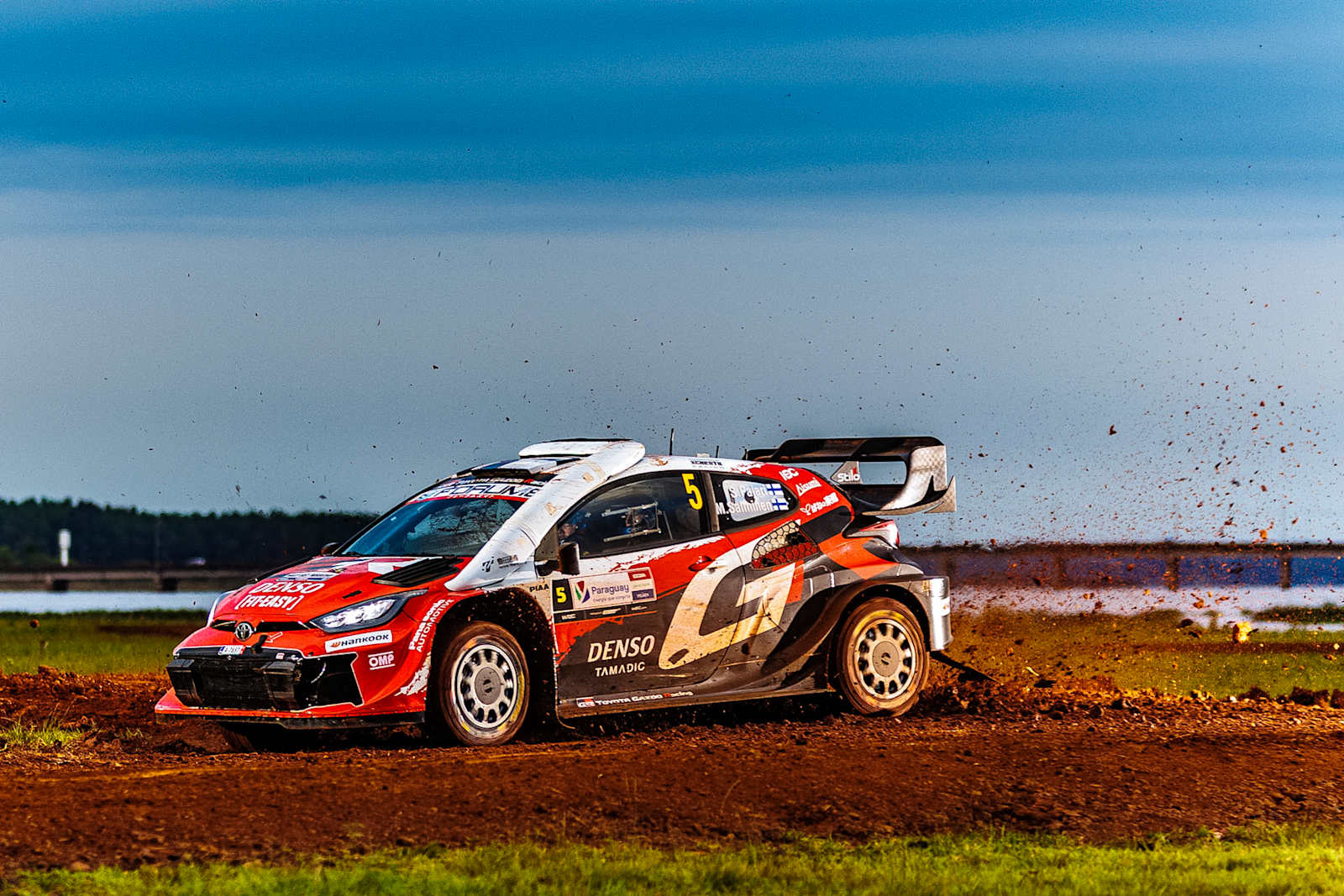
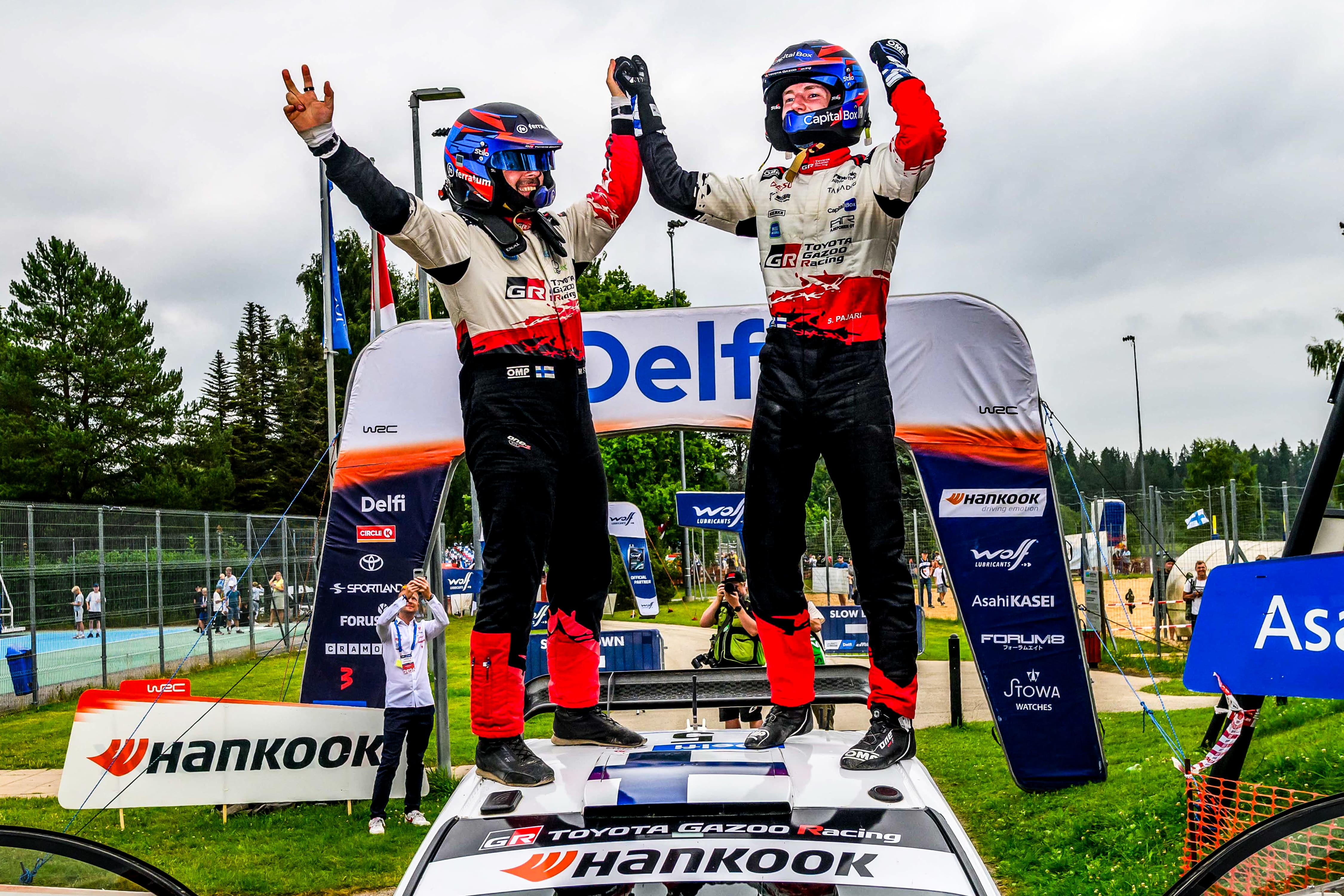
Sami Pajari and Marko Salminen led Delfi Rally Estonia from start to finish, taking a first WRC victory in a Toyota GR Yaris Rally1 by 19.5 seconds.
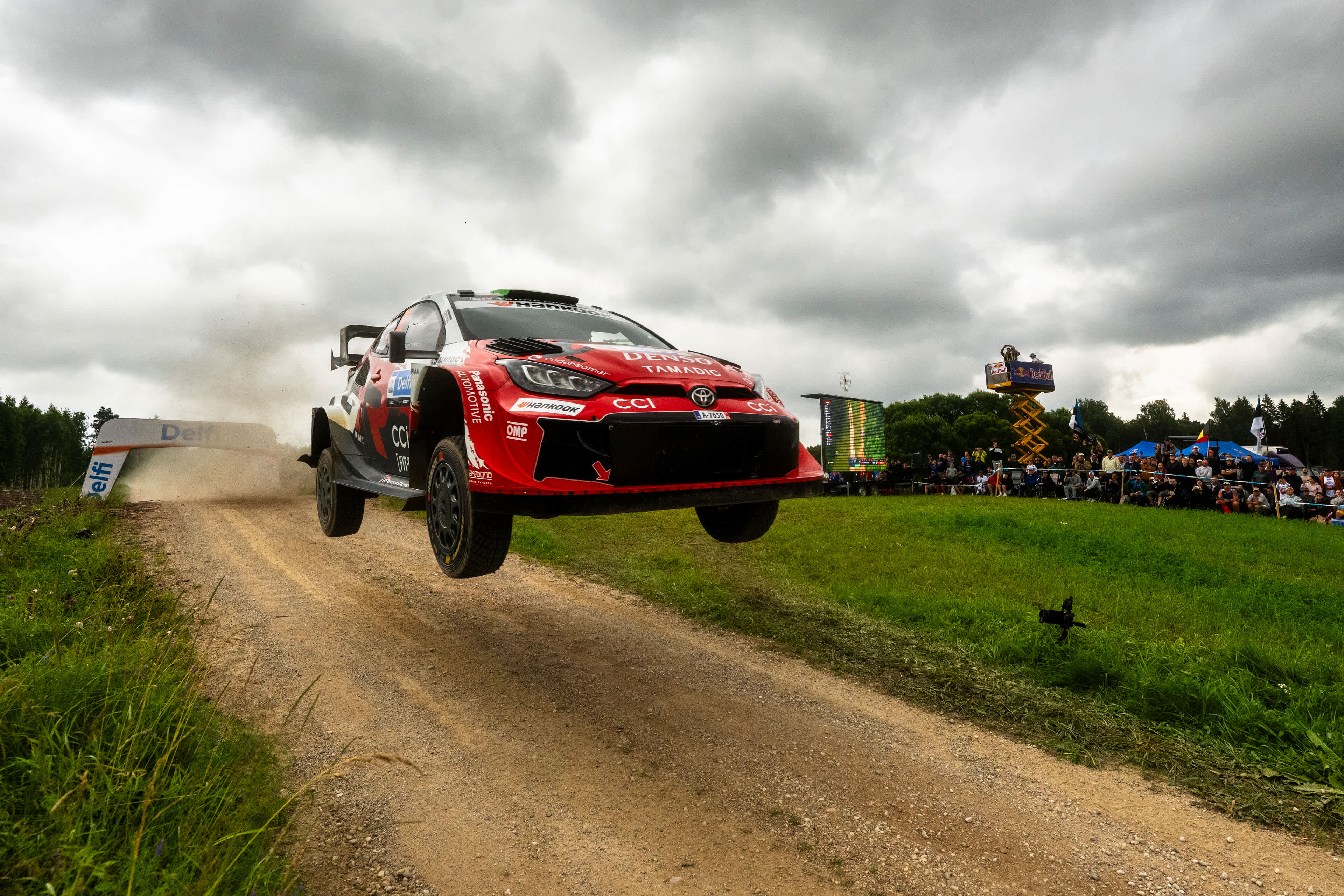
Photograph: WRC / Red Bull Content Pool- Winner
- Sami Pajari / Marko Salminen
- Car
- Toyota GR Yaris Rally1
- Winning margin
- 19.5 seconds over Oliver Solberg
- Route
- 18 stages · 301.80 km
- Surface
- Gravel
- Championship effect
- 28 points and a move to third provisional
There are wins that arrive after a long chase, wins rescued from a difficult Sunday and wins that become possible only when the front of the field opens a door. Sami Pajari’s first WRC victory at Delfi Rally Estonia belonged to a different category. He and Marko Salminen led from the beginning, understood the fast gravel roads and never gave the rally a reason to change its mind.
Pajari and Salminen won by 19.5 seconds in a Toyota GR Yaris Rally1. The official WRC report records 12 stage wins across the event, an unusually clear expression of speed on a rally that punishes hesitation because the roads invite the driver to keep accelerating long after the surface has stopped looking forgiving.
Estonia turns confidence into a measurable advantage
Fast gravel has a different emotional temperature from a rough endurance rally. The car moves quickly from one reference to the next, the crests arrive with little time to prepare and the driver has to commit to a line that may disappear behind the next rise. Pace notes become a form of trust. The driver is not reacting to what the eyes can see. The driver is using what the crew prepared together.
Leading from start to finish matters on a rally like this because the leader carries the psychological weight of being the reference for every split. A small lift becomes visible. A clean crest becomes a message. Pajari kept the Toyota inside that rhythm and built the win through repeated answers across the whole event.
The Toyota gave Pajari the platform he needed
A Rally1 car has to absorb the speed of Estonia without making the driver feel disconnected from the road. The suspension needs to work through landings, the tyres need to keep their shape across long fast sections and the engine has to deliver its power in a way that lets the driver place the car precisely. Pajari’s result suggests that the package and the crew were speaking the same language all weekend.
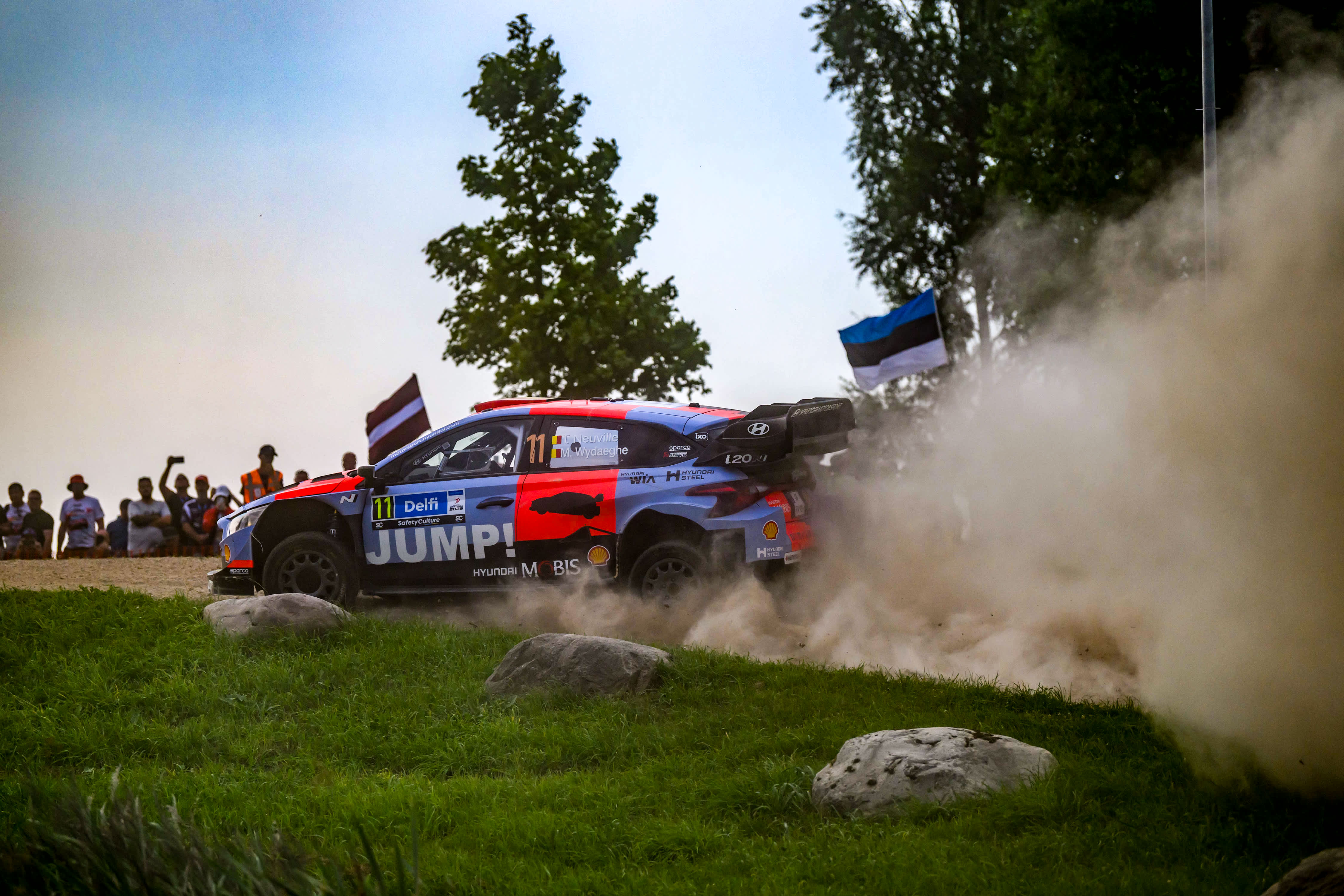
Oliver Solberg finished second, 19.5 seconds behind, giving the rally a clear young-generation shape at the front. The gap was significant enough to confirm Pajari’s control, though close enough to show that Solberg kept the pressure alive across the stages. The result gave Estonia a finish with real competitive tension from the first stage to the last.
A Finnish winner finds a home in Estonia
Pajari became the 17th Finnish driver to win a WRC rally, according to the official WRC account, and Estonia gave that achievement a fitting setting. The countries share a deep gravel-rally culture, though the victory still had to be made inside a Toyota, through a notebook and across 18 official stages. Familiarity with the region can help a driver understand the rhythm. It cannot replace the work of the weekend.
The points story is changing too
The victory added 28 points to Pajari’s season total and moved him to third provisionally in the championship. That is the practical value of a breakthrough. The trophy changes how the driver is seen, while the points change the pressure carried into the next event. Pajari now arrives at Finland with a result to defend and a new level of expectation to manage.
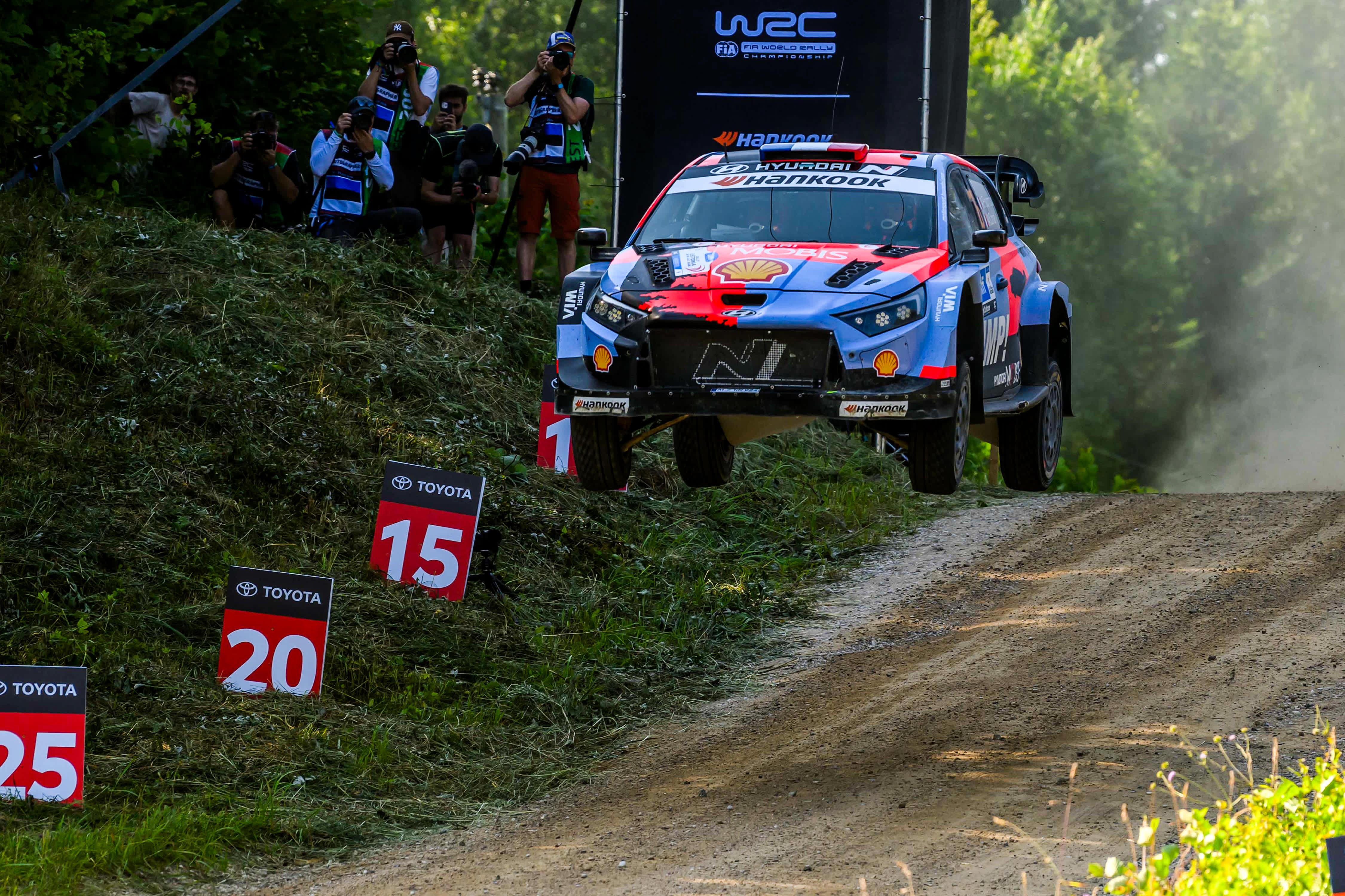
Estonia gave Pajari and Salminen a result that feels complete because it contains every part of a modern WRC victory. The pace was immediate, the notes were trusted, the car stayed strong and the final gap remained under control. The next rally will be different. That is exactly why this first win matters. It gives the crew a memory they can carry without pretending the road ahead will repeat it.