The Women Giving Indian Rallying Its Next Rhythm
From Pragathi Gowda and Athira Murali to Anushriya Gulati, Diana Pundole, Bani Yadav and Alisha Abdullah, Indian women are building careers across rally stages, circuits, bikes and the communities around them.
Photograph: Red Bull India- Focus
- Women drivers, riders, co-drivers and organisers
- Rally breakthrough
- Pragathi Gowda won the FIA Rally Star Asia Pacific Women’s Final
- INRC milestone
- Gowda became the first woman to win an INRC2 rally round
- International result
- Anushriya Gulati won the women’s class in the 2024 RAAT Thailand Rally Championship
- Circuit landmark
- Diana Pundole won the 2024 Indian national saloon car title
- Rally community
- Athira Murali won the women’s category at the Coorg Robusta Rally
Indian motorsport is changing through a series of women who arrive with different stories, different cars and different ways of making the sport their own.
Some have come through karting and circuit racing. Some began with off road driving, autocross, motorcycles or long road journeys. Some found rallying through family, friends or a first chance to sit in a competition car. Together they are making the paddock look more like the country watching it.
Pragathi Gowda and the international route
Pragathi Gowda’s career has been built through a sequence of meaningful results. She won the FIA Rally Star Asia Pacific Women’s Final in Chennai, then represented India in the Women’s Final in Italy, where she finished runner up and earned a reserve role for the FIA Rally Star Training Season. Autocar India described her as the only Indian at that final, a distinction that carried real weight because the competitors were assessed in a prepared TN5 Cross Car through stages, physical tests and reflex tests.
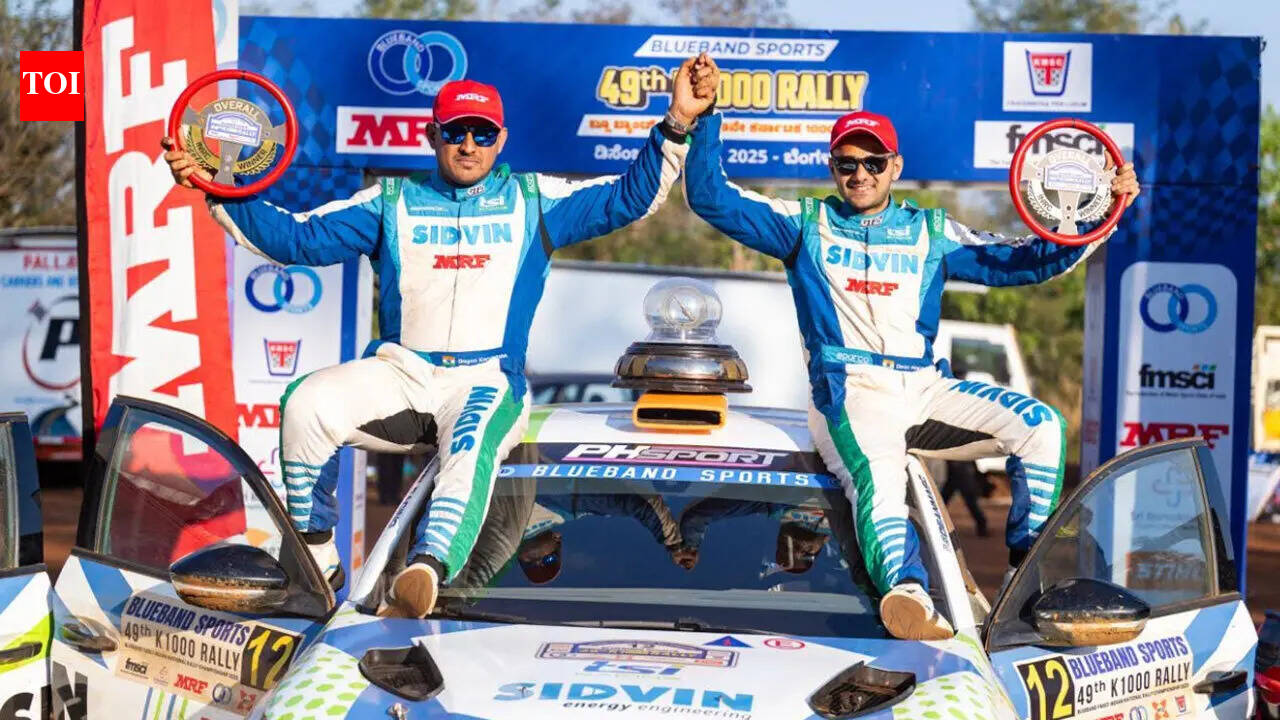
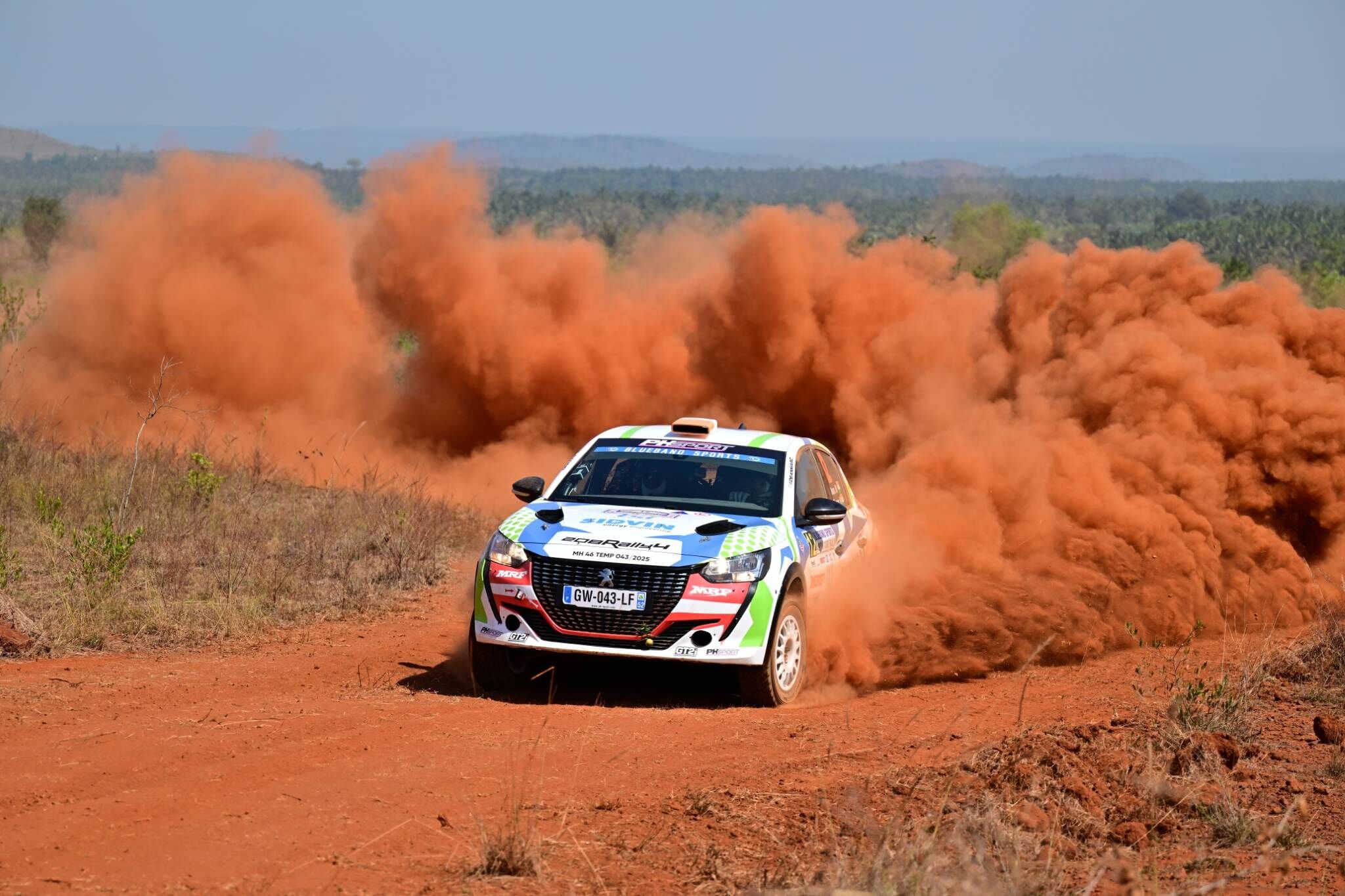
Her progress has also been visible at home. At the 2025 Karnataka 1000 Rally, Gowda and Chandramouli M won INRC2 and finished 11th overall in a demanding event. It was the first INRC2 round win by a woman driver led pairing. The result connected the international promise with the hard, practical work of Indian rallying, where a crew still has to read the road, protect the car and finish the weekend.
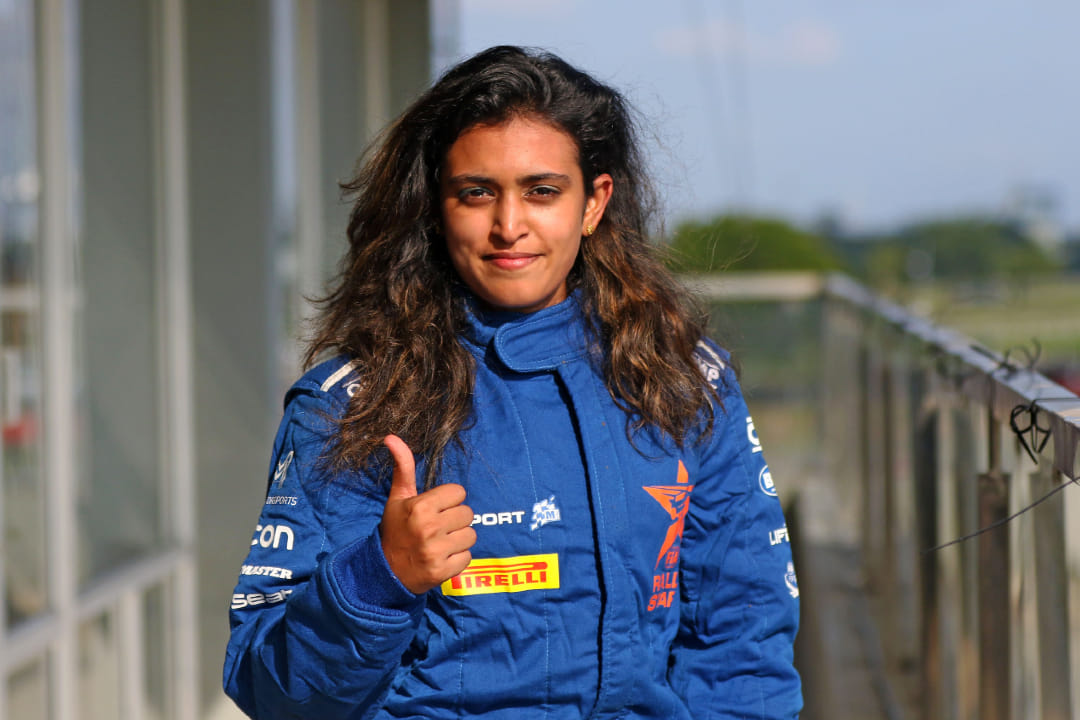
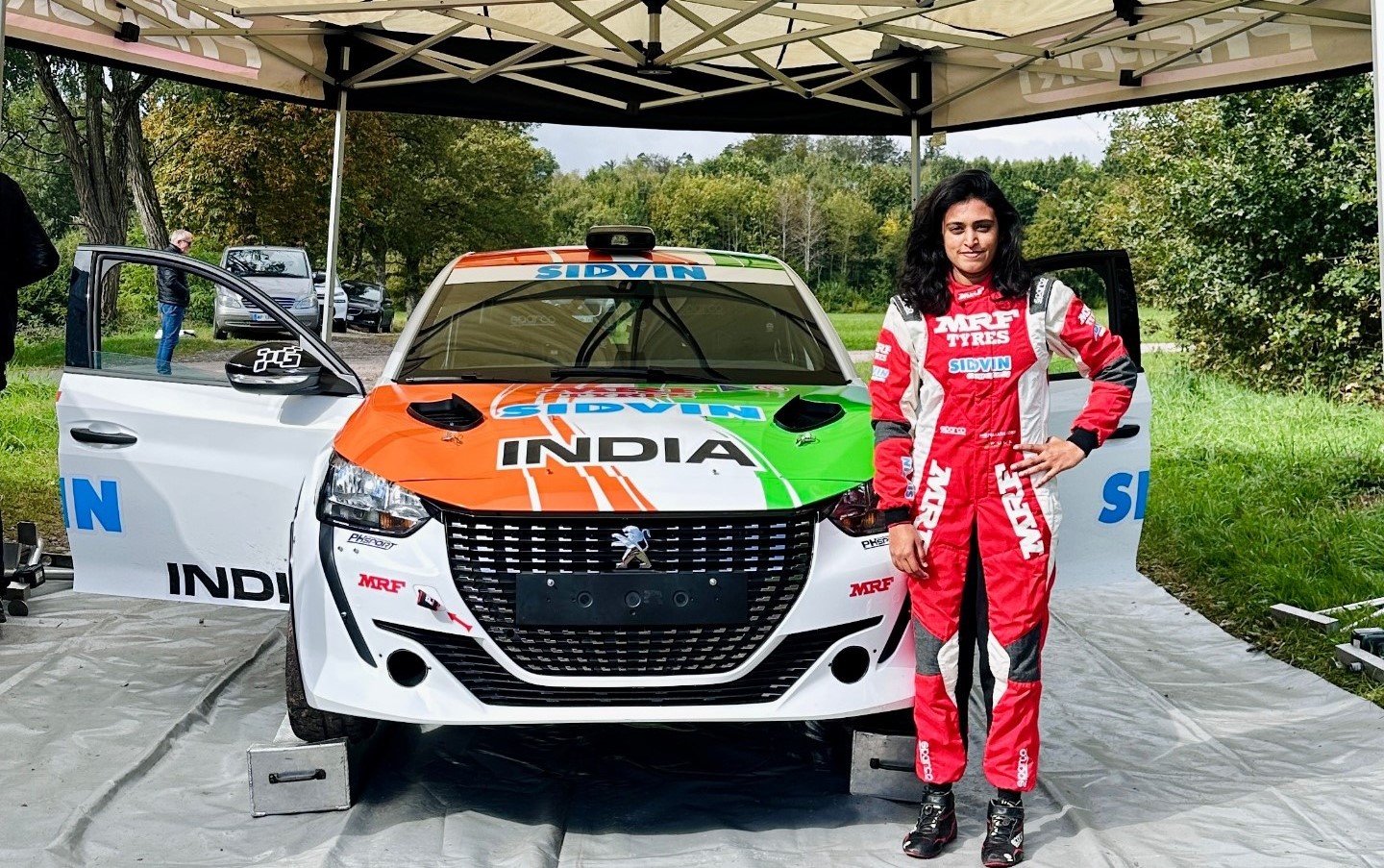
Gowda’s example is valuable because it makes progress visible in stages. Selection leads to training. Training leads to a result. A result creates confidence for the next event. Each part of the process matters, and every young driver who sees that process can understand that a career is built through preparation as much as through the moment captured on the podium.
Athira Murali brings a driver’s curiosity
Athira Murali’s route into rallying began with a love of vehicles in many forms. She grew up around a Willys Jeep and a lorry, learned to drive a wide range of vehicles and later moved through off road events and motocross before entering the national rally scene.
At the Coorg Robusta Rally, a round of the Indian National Rally Championship, Murali finished fifth overall and won the ladies’ category. The result was important because it showed the value of a driver who brings broad vehicle experience into a rally car. Speed matters, but so do mechanical sympathy, patience and the confidence to keep learning when the surface changes.
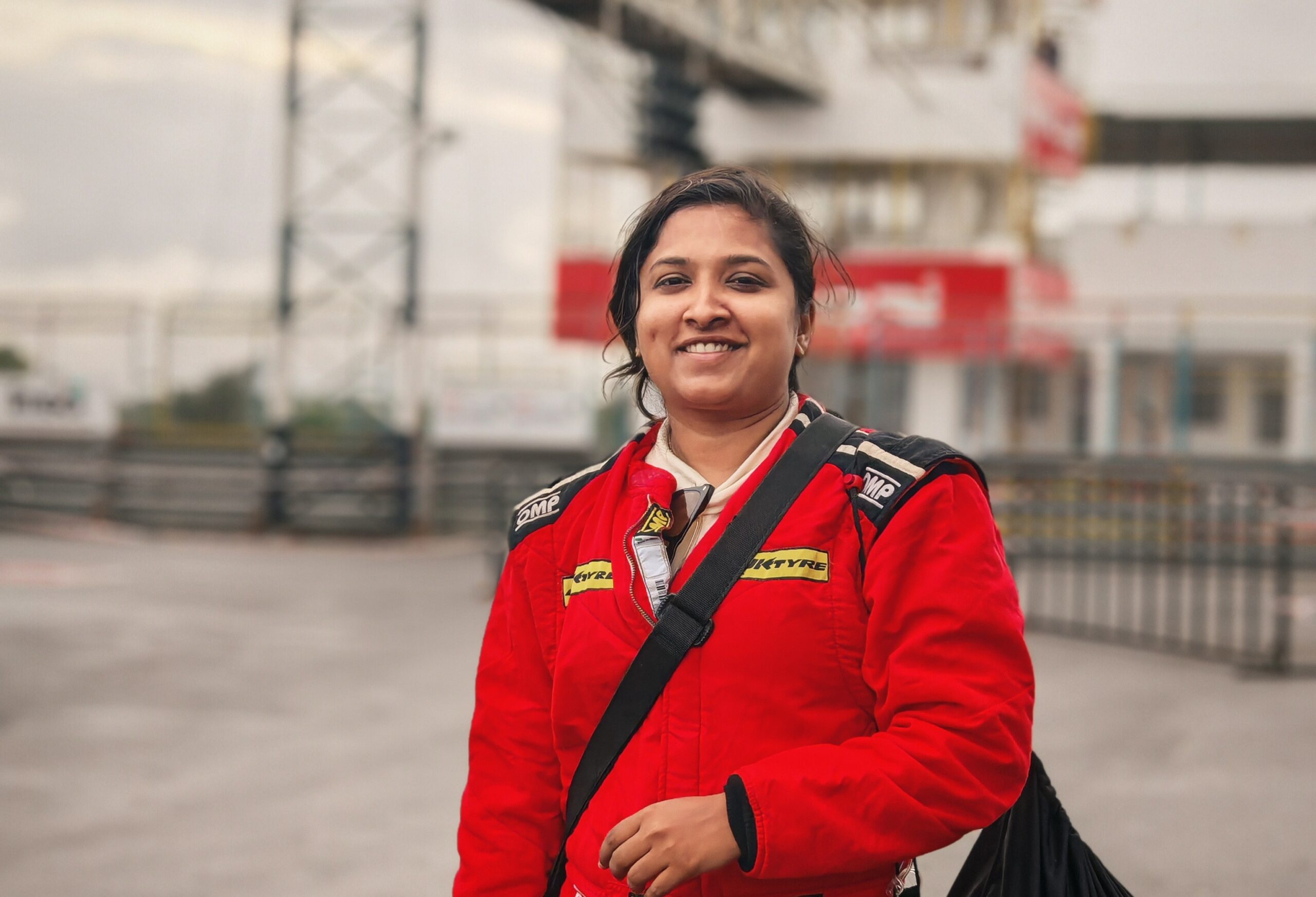
Anushriya Gulati takes the story across borders
Anushriya Gulati has built a record that moves comfortably between rallying, circuit competition and adventure. She won the women’s class in the 2024 RAAT Thailand Rally Championship after competing against representatives from six countries. Her earlier achievements include the 2023 Indian National Rally Championship women’s title, the JK Tyre FMSCI National Racing Championship women’s and rookie categories, qualification for Formula Women and a McLaren drive in the United Kingdom GT Cup.
What makes Gulati’s story especially encouraging is the variety of the work. A rally stage, a circuit and a long motorcycle expedition ask different questions. Her record shows that women in Indian motorsport are not being defined by one format. They are developing the confidence to move between them.
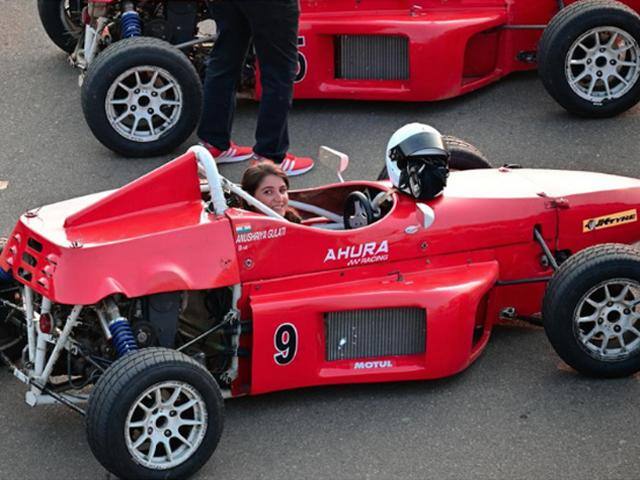
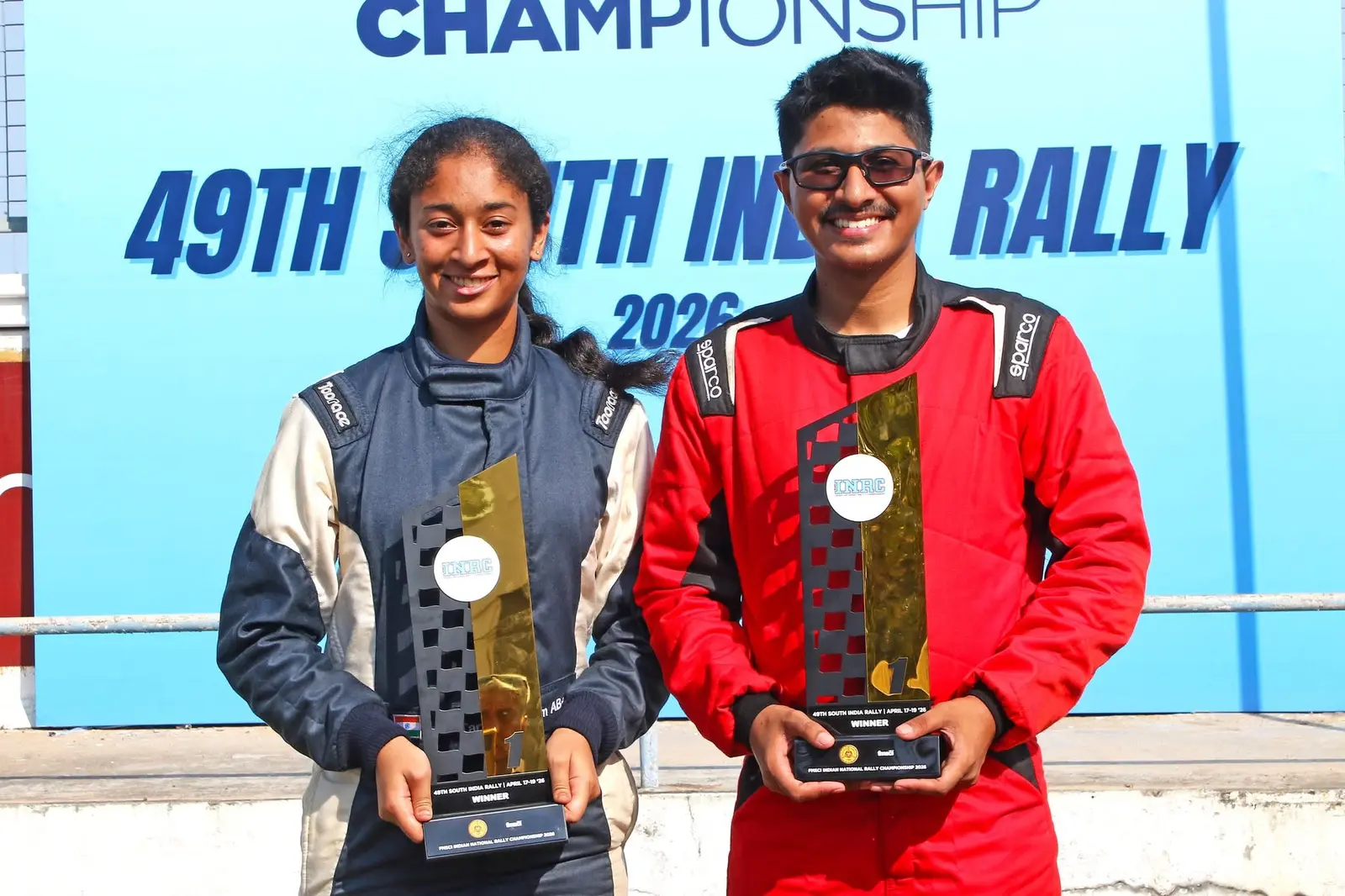
The photographs from these events tell their own story. They show concentration before a stage, dust across a windscreen, helmets coming off in the service area and the small relief of a clean finish. They show women occupying the same demanding spaces as everyone else, with the same work in front of them and the same right to enjoy the result.
Shivani Pruthvi keeps the family team moving
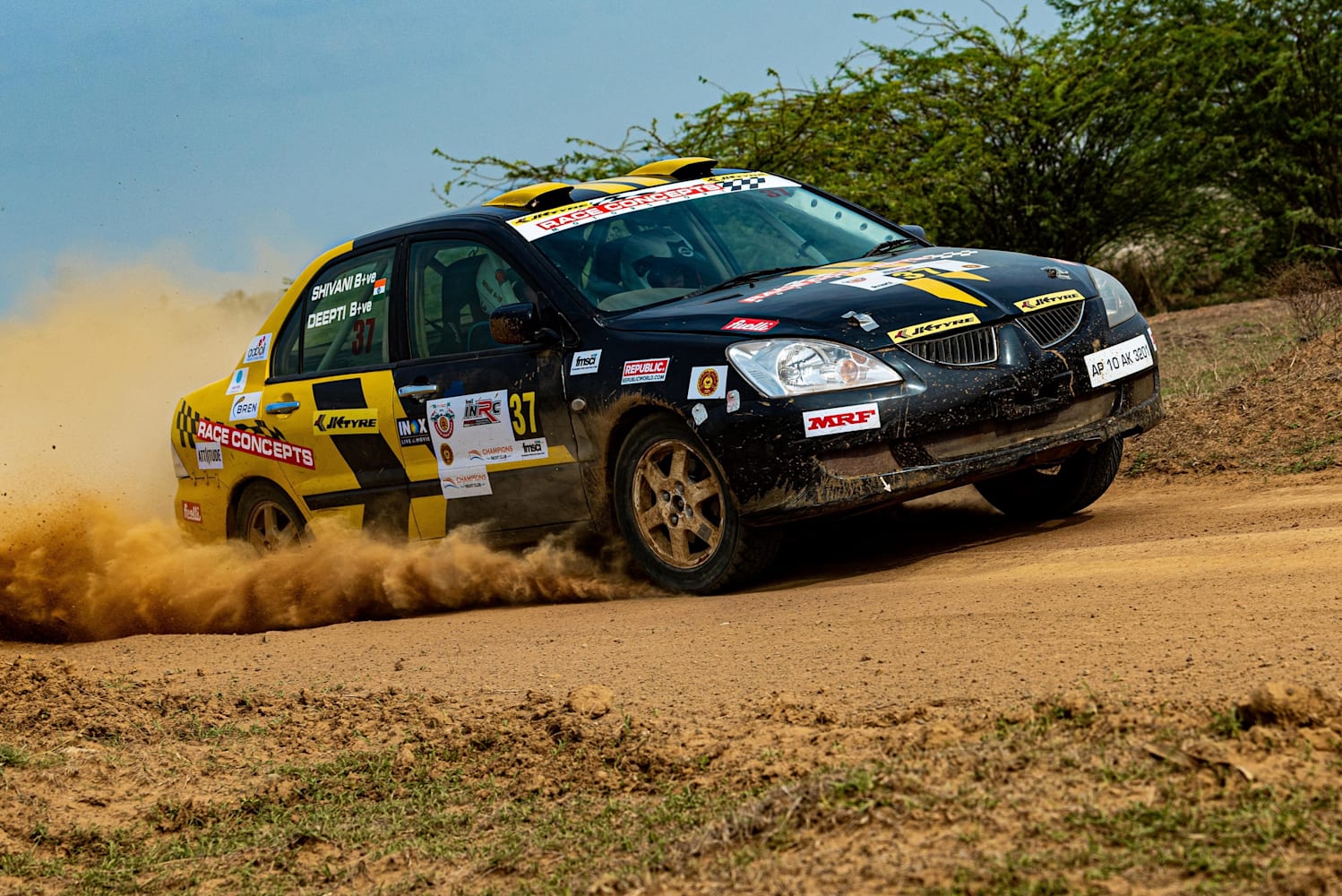
Shivani Pruthvi’s story has a lovely sense of continuity. She comes from a motorsport family, began competing in autocross while studying medicine and learned the discipline of rallying with her father, B. S. Pruthvi. Her mother, Dr Deepti Pruthvi, became her navigator, creating one of Indian rallying’s most distinctive partnerships: a mother and daughter working through pace notes, pressure and rough stages together.
The pair competed in India’s first all women racing team before making their rally debut together in the South Indian Rally. Shivani has won women’s categories in national events, taken part in circuit and autocross competition and represented the country in international gymkhana. Her progress is a useful reminder that a driver’s development rarely follows one straight road. Medicine, family, training, cars and competition can all sit inside the same life.
Diana Pundole changes the circuit picture
Diana Pundole’s 2024 national saloon car title was a landmark for Indian circuit racing. Her path began with the JK Tyre Women in Motorsport talent hunt, continued through the JK Tyre National Racing Championship and Volkswagen Polo Cup, and reached the MRF MMSC FMSCI Indian National Car Racing Championship. She became the first Indian woman to win a national circuit racing title in competition that placed women and men on the same timing sheets.
That matters beyond the trophy. A championship win gives young drivers a result they can point to when they ask for support, a team seat or a little more time on track. It turns the phrase “women in motorsport” from an invitation into a record of achievement.
Bani Yadav and Alisha Abdullah widened the road
Bani Yadav has been a major presence in Indian rallying and autocross, with national women’s titles and Asia Pacific Rally Championship results among the achievements associated with her career. Her return to competition after serious spinal injury is part of the story too. It shows that a racing career can contain interruption without losing its direction.
Alisha Abdullah began racing young, became India’s first female national racing champion and later founded the Alisha Abdullah Racing Academy. Her work has connected achievement with access. A driver who has already learned the pressure of competition can make the first step feel less mysterious for somebody arriving behind her.
The paddock is changing in small, visible ways
The most heartening change is the growing number of women appearing in results and the growing sense that they belong in every part of the paddock. They are drivers, co-drivers, engineers, creators, organisers, mechanics, team leaders and mentors. They are also fans who bring friends and families to events, then decide that watching is only the beginning.
This is where the wider motorsport community matters. A good team gives a driver a safe car and clear information. A good organiser creates a fair route into competition. A good sponsor sees the full season and the work that gives a photograph its meaning. A good audience understands that encouragement is part of how talent becomes experience.
Indian motorsport has plenty of room to grow, and the women already in it are helping define what that growth should look like. They bring pace, but also personality, patience, technical interest and a generous instinct to share what they learn.
The next chapter will need more testing, more affordable entry points, better media coverage and sponsors willing to support development as well as celebration. It will also need more women behind the camera, in engineering roles and in the decisions that shape the calendar. The talent is already visible. The opportunity is to build a structure that lets it stay.
The future will not belong to one famous name. It will belong to a whole grid of them, arriving from Bengaluru, Chennai, Coorg, Pune, Kottayam, Delhi and every place where somebody hears a competition engine and thinks, quite reasonably, that she would like to try it herself.
The paddock is changing in real time
The women entering Indian motorsport are doing so through different doors. Some arrive through rallying, some through circuit racing, some through motorcycles and some through the community built around cars. Their routes are individual, yet the effect is shared. Each visible competitor makes the paddock feel more familiar to the person considering it from outside.
Competition remains the clearest measure. A woman driver still has to read the surface, manage the tyres, commit to the corner and bring the car home. The work is exacting for everyone. The significance comes from the fact that these drivers are doing the work at speed, in public and on their own terms.
The next generation will inherit a richer picture of possibility. Pragathi, Athira, Anushriya, Diana, Bani and Alisha are each building a different kind of example. Their careers will be measured in results, while their presence is already changing who feels welcome near the start line. That is a powerful form of progress, and it deserves proper attention.