
Kimi Antonelli Becomes Formula One’s Youngest World Champion
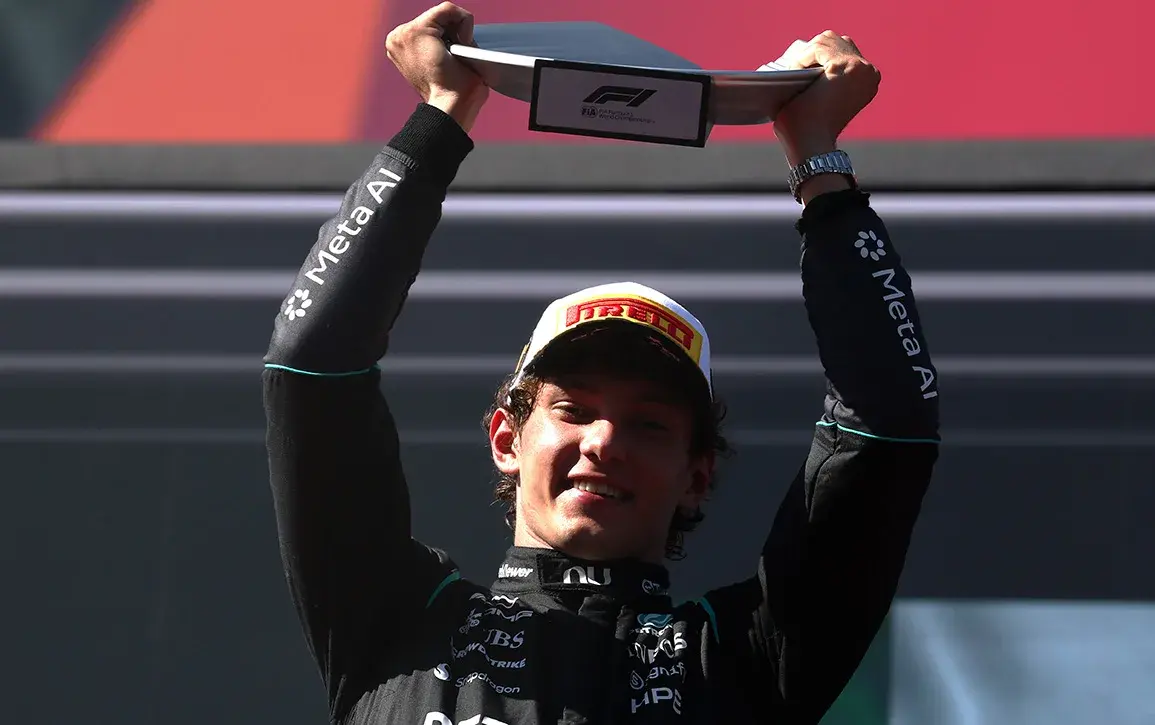
A third place in Mexico City gave Kimi Antonelli the 2026 Drivers’ Championship at 20. Max Verstappen won a turbulent Grand Prix, while Antonelli kept his season-long points lead intact and became the youngest champion in Formula One history.
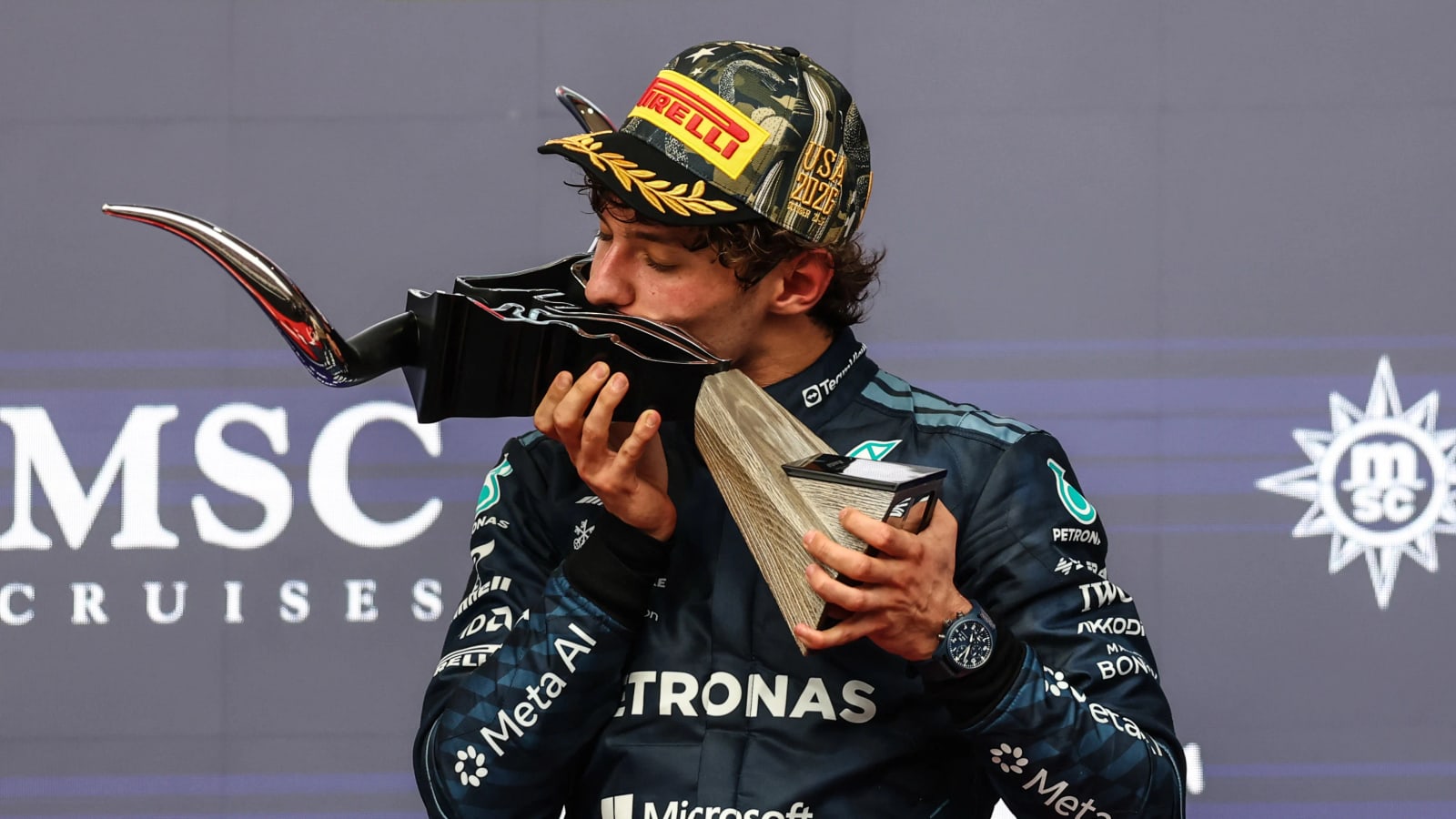
Photograph: Mercedes-AMG PETRONAS F1 Team official media- Champion
- Kimi Antonelli · Mercedes
- Age
- 20
- Mexico City finish
- Third · 15 points
- Race winner
- Max Verstappen · Red Bull Racing
- Runner-up
- Lewis Hamilton · Ferrari
- Antonelli’s points
- 380 after Mexico City
- Next round
- São Paulo Grand Prix · 6 to 8 November 2026
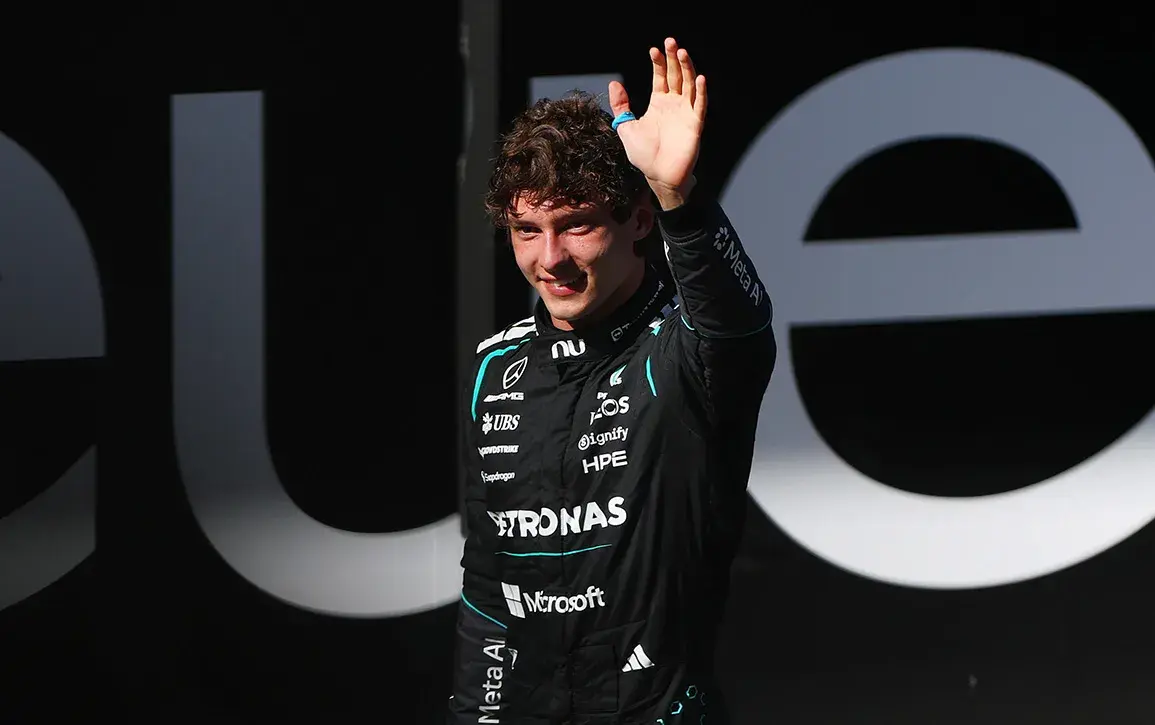
The championship was decided in the place where the season’s noise seemed to gather around every lap. Kimi Antonelli crossed the line third at the Mexico City Grand Prix, and at 20 years old he became Formula One’s youngest World Champion. Max Verstappen won the race. Lewis Hamilton finished second. Antonelli’s result carried the greater consequence for the season, turning a title campaign into a piece of sporting history.
Mexico had offered the Mercedes driver a narrow task on paper. He needed ninth place to secure the championship, regardless of the positions taken by his nearest rivals. He started fourth, managed an eventful 71 laps and finished on the podium. That is the shape of the result. Its weight comes from the months that brought him there, through a season in which the Italian kept collecting the points required to put the title within reach.
The final classification placed Verstappen first in 2:20:28.772, Hamilton 0.799 seconds behind and Antonelli 4.006 seconds from the winner. Charles Leclerc was fourth and George Russell sixth. Those positions matter because the championship ended inside a live race, among drivers still contesting each braking zone and every restart. The title did not arrive through a ceremonial procession. It arrived through a competitive Sunday that kept asking Antonelli to hold his place.
Antonelli had entered the afternoon needing only ninth, yet his race finished three places from the win and six places above the position required for the title. That is a useful way to hold the day in proportion. The championship arithmetic gave him a safety margin. The race still placed him among the leading cars, and the final podium belongs to the result he achieved rather than the minimum he needed.
A season built one result at a time
Antonelli’s title is not defined by one spectacular lap in Mexico. The points table after the race tells a broader story. He had 380 points, with Verstappen on 261, Hamilton on 259, Russell on 250, Leclerc on 245 and Lando Norris on 221. The margin is substantial because it was earned across a long championship, with different circuits demanding different forms of speed and control.
A Formula One season gives a young driver little time to remain a prospect. Every Sunday places him in the same classification as champions, race winners and team-mates who know how to measure a weekend. Antonelli’s 2026 campaign has now moved beyond promise. The title confirms that he converted speed into a full-season result, the kind that requires points in the ordinary races as well as resilience when a weekend becomes difficult.
There is a particular significance in winning at 20. Formula One has always made room for early arrival, though its records tend to keep their distance from the driver until the season is complete. The Mexico result made Antonelli the youngest champion the sport has had. It also placed an Italian name back at the top of the Drivers’ Championship, the first since Alberto Ascari in 1953.
The title arrived with four rounds of the season still to run. That timing gives the Mexico result an unusual clarity. Antonelli did not need to wait for the final race or rely on a late combination of results. He had built enough of a margin to make Sunday’s third place decisive. The remaining weekends will still produce race winners, points and team battles, but the drivers’ championship has its answer.
A championship can be made visible through the number of points, though the table only shows the finished sum. It does not describe each weekend that contributed to it. The 380 beside Antonelli’s name is the product of many separate decisions: how to prepare for qualifying, how to keep a car inside its limits and how to take a result when a race does not unfold cleanly. Mexico gave that accumulation a final line.
The youngest-champion record is an immediate headline because it is simple to understand. The first Italian title since Ascari gives the achievement a wider national history. Italy has remained present in Formula One through teams, engineers and drivers, though its last world champion had been crowned more than seven decades earlier. Antonelli’s title reconnects the country with the sport’s most important individual prize.
Records can make a career sound as if it has reached its destination. In practice, a first championship begins another phase. Rivals will study the season, the team will evaluate what worked and the driver will have to meet a different kind of expectation. Antonelli has time to build on the achievement, but the work will continue one race weekend at a time.
Mexico never gave the field a quiet afternoon
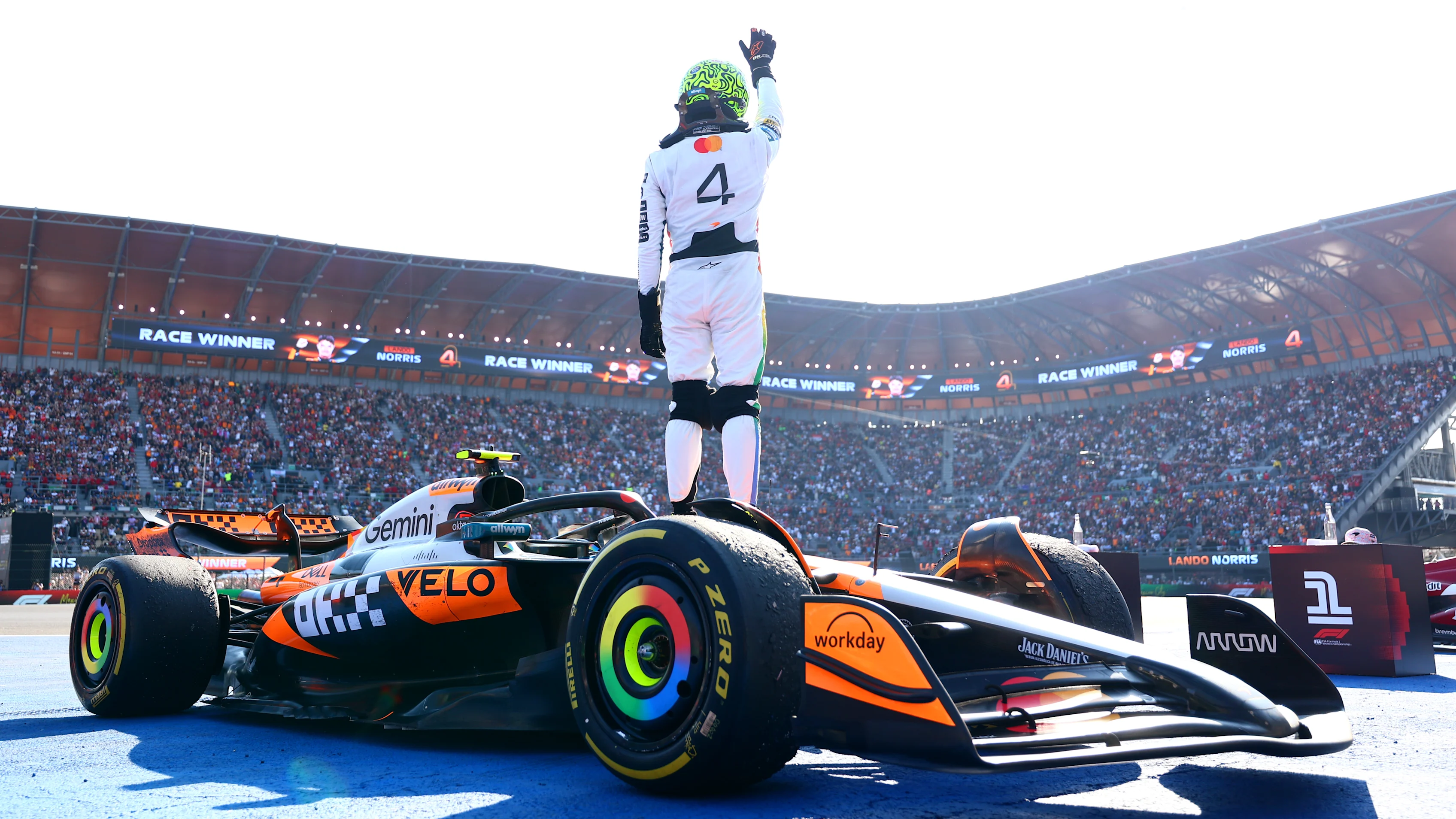
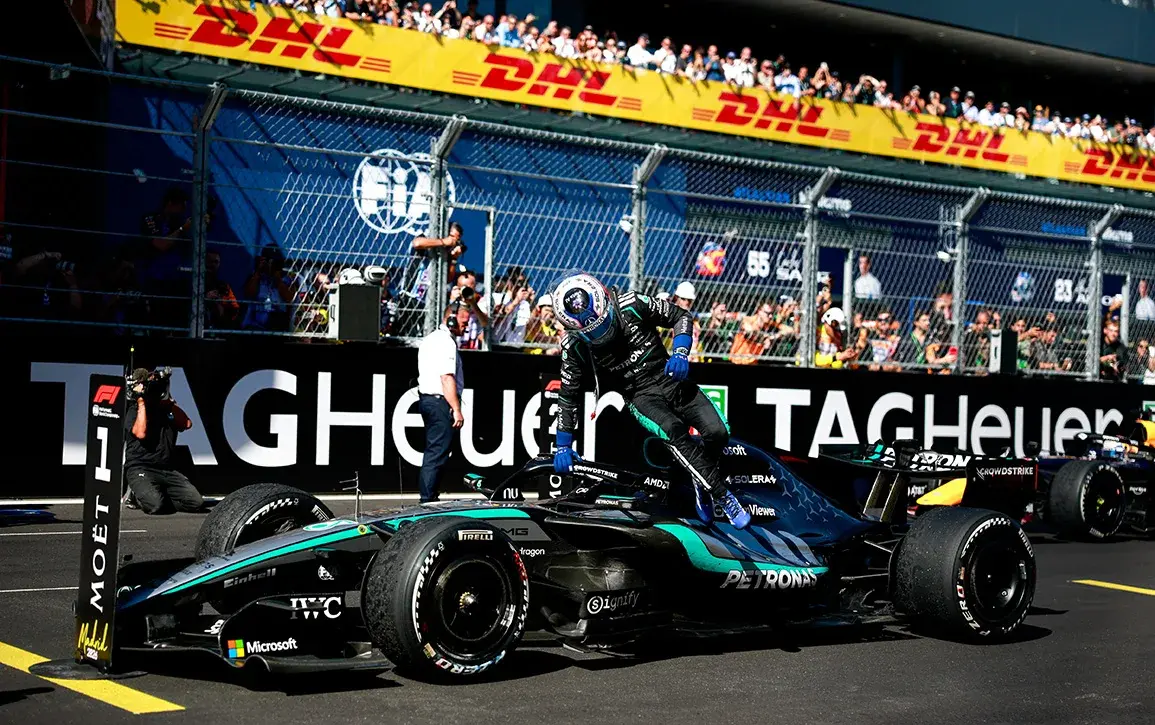
The race changed character through two major interruptions. A heavy crash involving Valtteri Bottas brought out the red flag in the middle portion. Later, Arvid Lindblad’s accident triggered a Safety Car. Both moments altered the rhythm of the afternoon and compressed the choices available to the leaders. Restarting is a test of attention as much as pace. The driver has to bring tyres and brakes back to temperature while keeping a clear view of the cars ahead.
Verstappen used the opportunity to secure the victory, while Hamilton gave Ferrari its strongest result of the day. Antonelli’s job was different. The title arithmetic had given him a margin, but the race still required him to finish inside the points and stay clear of the problems around him. Third was a result with both a competitive value and a historical one.
That distinction is useful when reading the weekend. A championship clincher can be mistaken for a race win, especially when a title is decided in the final minutes. In Mexico, Verstappen earned the Grand Prix victory through the on-track classification. Antonelli earned the world title through the accumulated work of his season. The two achievements shared a podium, and each belongs to a different story.
The next weekend belongs to a new question
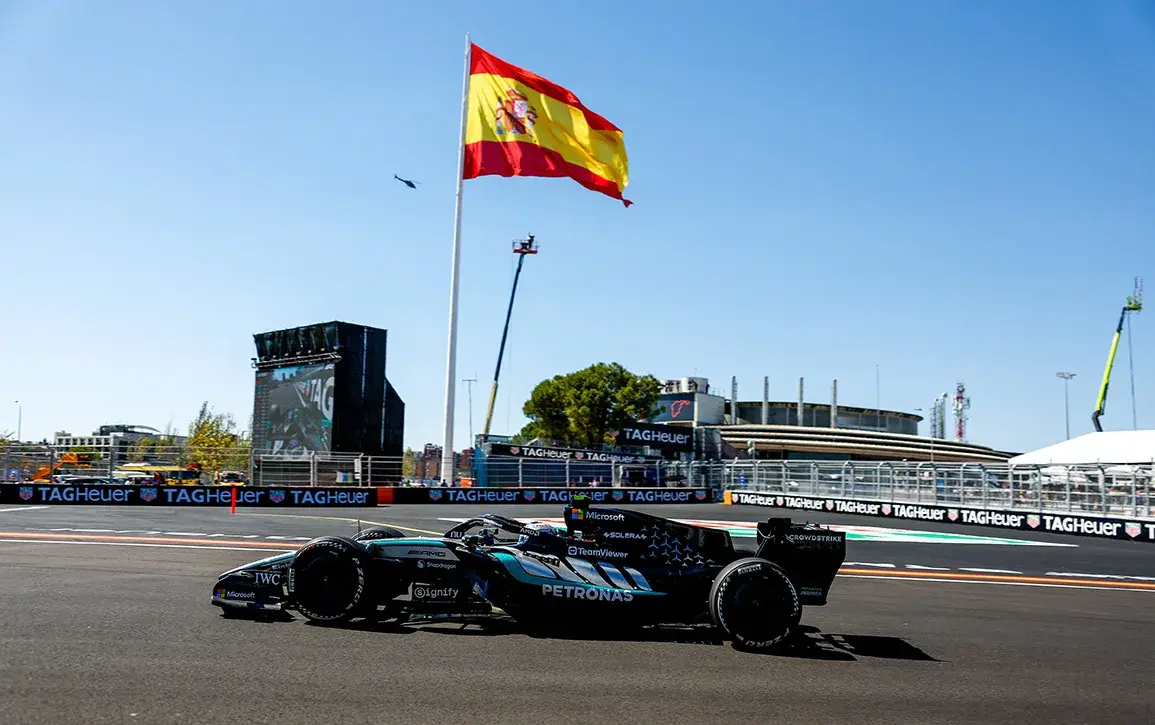
Formula One moves from Mexico to São Paulo for the Brazilian Grand Prix weekend on 6 to 8 November. The title is settled, but the championship season is not finished. Interlagos is a compact, undulating circuit where changing weather can reshape the balance of an afternoon. Teams arrive with the same engineering workload and the same need to score. The difference is that Antonelli will enter without the points calculation that has followed him into Mexico.
That change can alter the way a driver approaches a weekend. Before Mexico, each decision had to be viewed through the championship margin. After the title, the focus can return to lap time, race execution and the work of closing the season well. There is no guarantee that freedom produces an easier Grand Prix. It simply changes what the driver is being asked to protect.
Mercedes has an opportunity to celebrate its champion while continuing to race for the team goals that remain. The constructor’s standings and the individual race results still matter to every garage. Antonelli’s achievement will draw the attention, though the season’s final rounds will keep the rest of the field moving. The paddock has only a short journey from one continental stage to the next.
A new name enters the record book
A first championship changes the scale of a driver’s career. It gives every later season a different point of reference, because the question is no longer whether he can reach the top. The next questions concern defence, consistency and the ability to adapt as rivals study what worked. Those are future questions. Mexico supplies the answer to the one the 2026 season asked: Antonelli had scored enough, often enough, to become champion.
The image of the day will be the number 12 Mercedes crossing the line in third. It is a simple result to read and a rare one to earn. The race winner receives the trophy for Sunday. The world champion receives a larger responsibility, along with a place in the sport’s history. Antonelli left Mexico with both the visible evidence of a strong race and the lasting title that his season had been building towards.
For supporters, the next season will bring a different kind of attention to every qualifying lap and every run through the opening corner. For now, the achievement can be held at its proper size. Kimi Antonelli is a Formula One World Champion at 20. He won that distinction in his second season, in Mexico City, after finishing third behind Max Verstappen and Lewis Hamilton. The date, the place and the result have all become part of the record.