

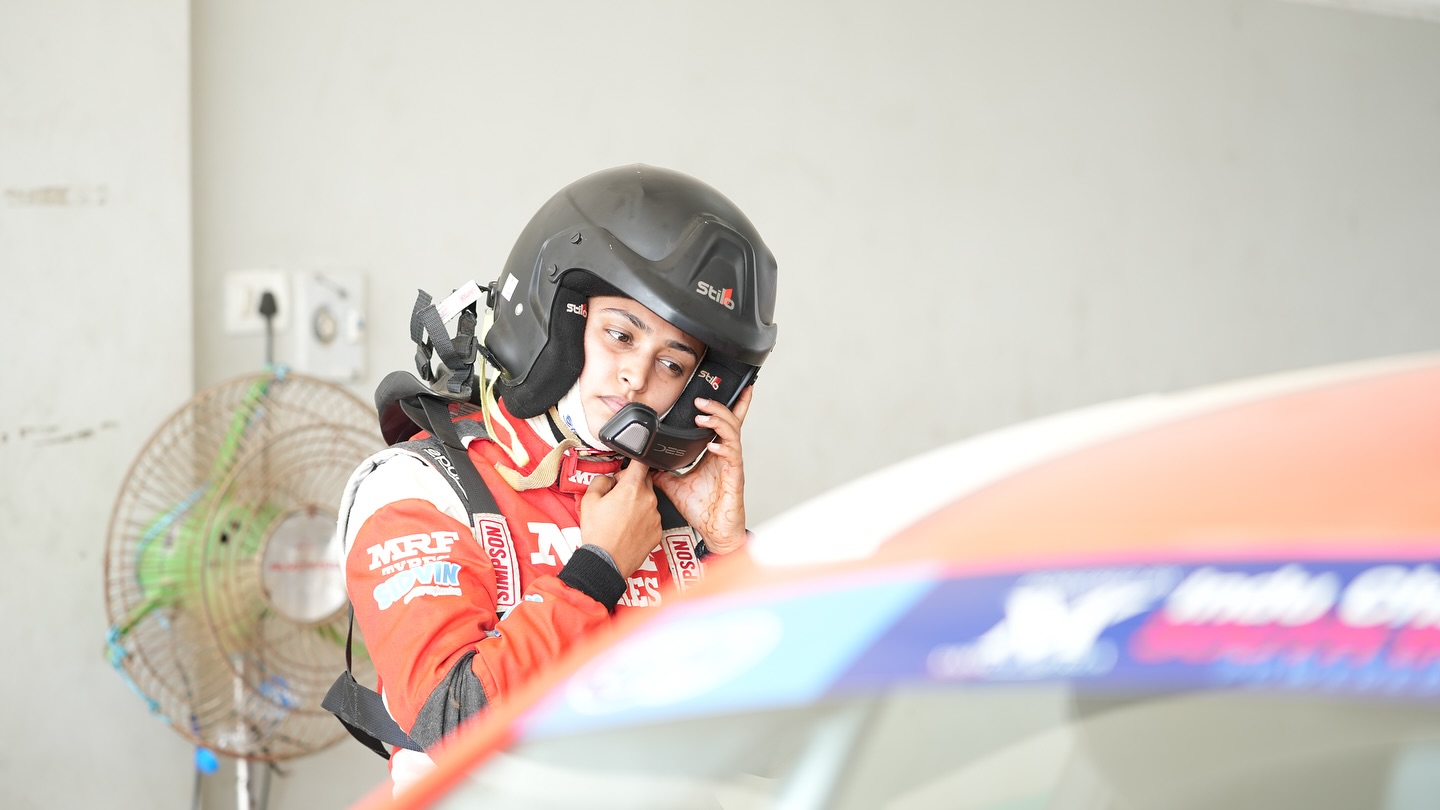
Three Indian Names Carry the Gymkhana Story Towards Thailand
Pragathi Gowda, Sahil Khanna and Vidyuth Iyer give India a sharp international thread as the 2026 Asia Auto Gymkhana trail moves towards its Thailand stage.
Photograph: Pragathi Gowda / Instagram- Indian names in the preview
- Pragathi Gowda · Sahil Khanna · Vidyuth Iyer
- Discipline
- Auto Gymkhana
- 2026 championship trail
- Tashkent · Hong Kong · Thailand · India · Chinese Taipei
- Thailand stage reported
- Fourth week of October 2026
- Status
- Preview published · official entry sheet and result to follow
Auto Gymkhana makes a small piece of tarmac feel like a complete examination. The cones arrive quickly, the turnarounds punish hesitation and the clock records every decision without caring how dramatic the run looked from the outside. For Pragathi Gowda, Sahil Khanna and Vidyuth Iyer, that precision now sits inside an international story that is moving towards Thailand.
The public calendar trail places Thailand inside the 2026 Asia Auto Gymkhana route, alongside stages in Tashkent, Hong Kong, India and Chinese Taipei. A Nepal Views report also places the Thai Asia Pacific stage in the fourth week of October. The final entry sheet and class allocation for the three Indian names remain to be published, so this is a preview of the campaign and not a result report.
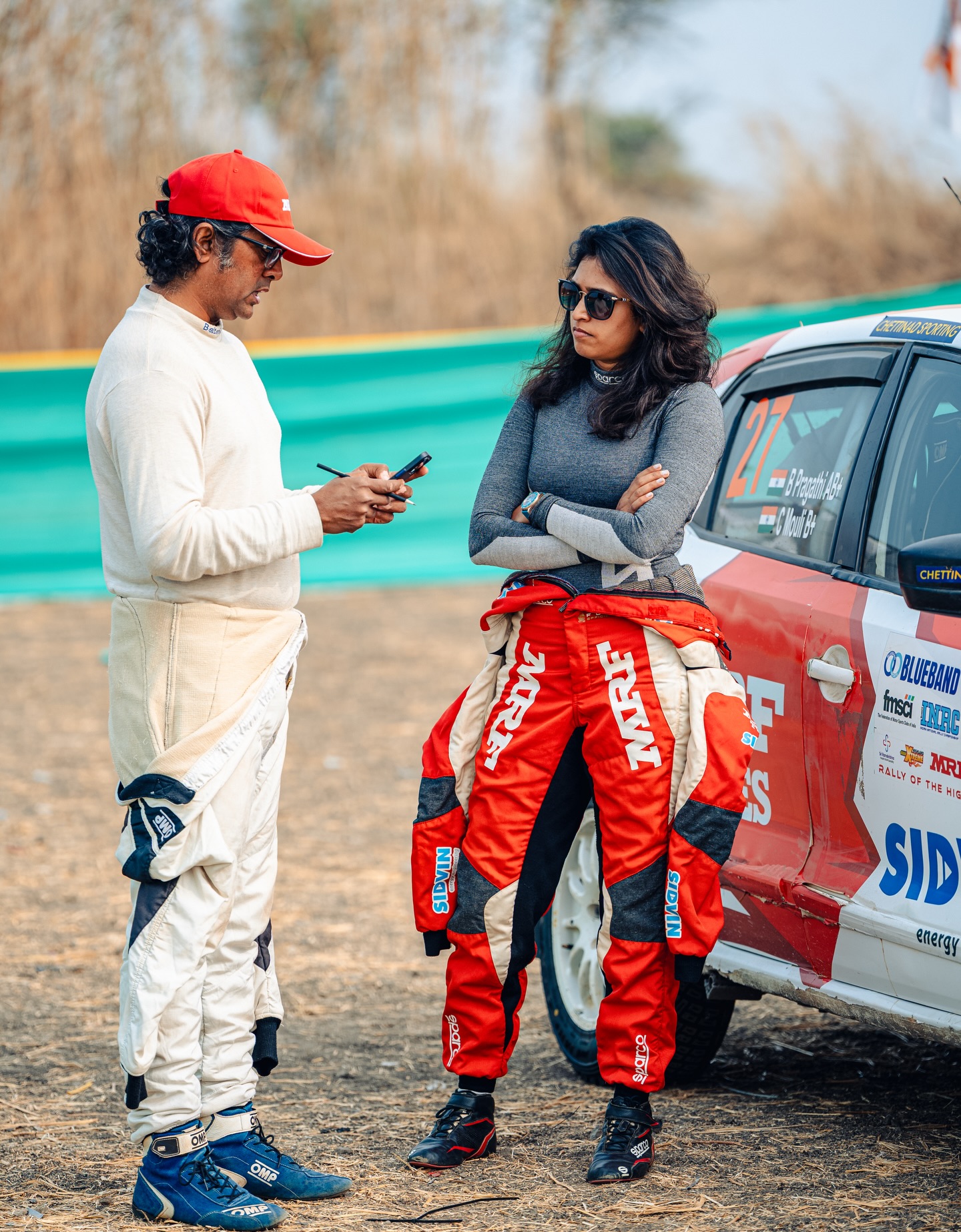
The fastest run is the one that keeps its shape
Gymkhana rewards a driver who can make several small choices arrive as one movement. The car must rotate around a marker, settle before the next gate and leave enough grip for the final change of direction. A spectacular slide may look generous from the spectator line. The stopwatch prefers a car that reaches the finish with every correction already understood.
That is what makes the format such a useful international discipline. A driver can see the entire challenge, identify the part that cost time and return with a precise question. The answer may sit in the brake release, the first steering input or the moment the throttle becomes useful again. Progress is visible because the course keeps the lesson close.
Pragathi brings rally judgement to a compact course
Gowda’s public competition posts show a driver comfortable beside a rally car, inside the equipment and in the conversation that surrounds a run. That matters in Gymkhana because the course leaves little space for a driver to hide from an imperfect decision. The competitor has to read the surface, trust the car and retain enough calm to make the next gate feel available.
A Thailand appearance would add another useful layer to that work. Gymkhana is short enough to expose technique and international enough to place that technique beside drivers who have learned the same language on different surfaces. The value sits in the comparison. Every clean run gives the driver another way to understand the car.
Sahil’s name belongs in the international frame
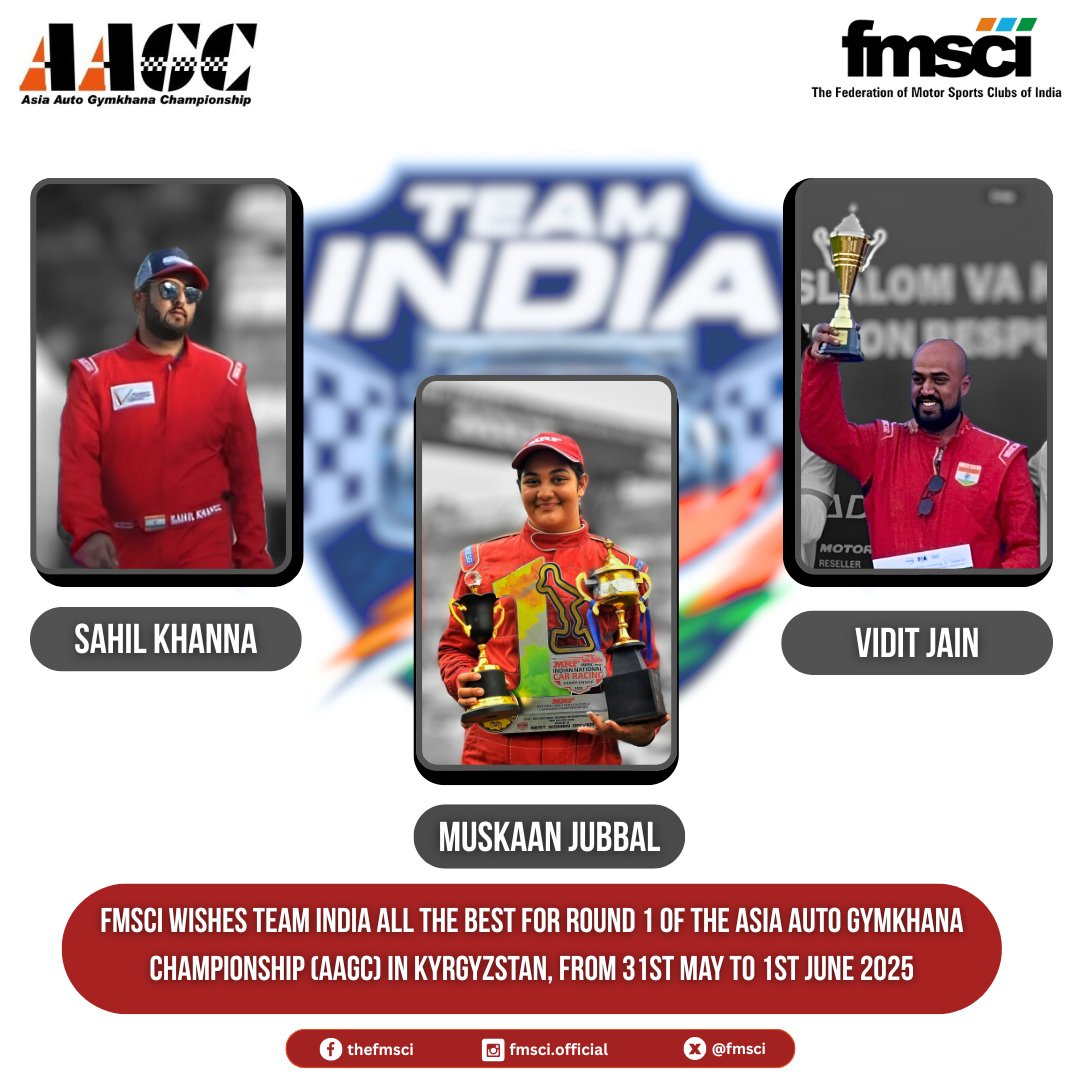
Sahil Khanna appears in FMSCI’s Team India AAGC selection material from 2025. That archive places him inside the national pathway that carries Indian competitors into Asian Gymkhana competition. The photograph is clearly labelled as 2025 context. It does not stand in for a 2026 Thailand result, and it does not erase the need for the official current entry sheet.
Vidyuth’s route adds another kind of experience
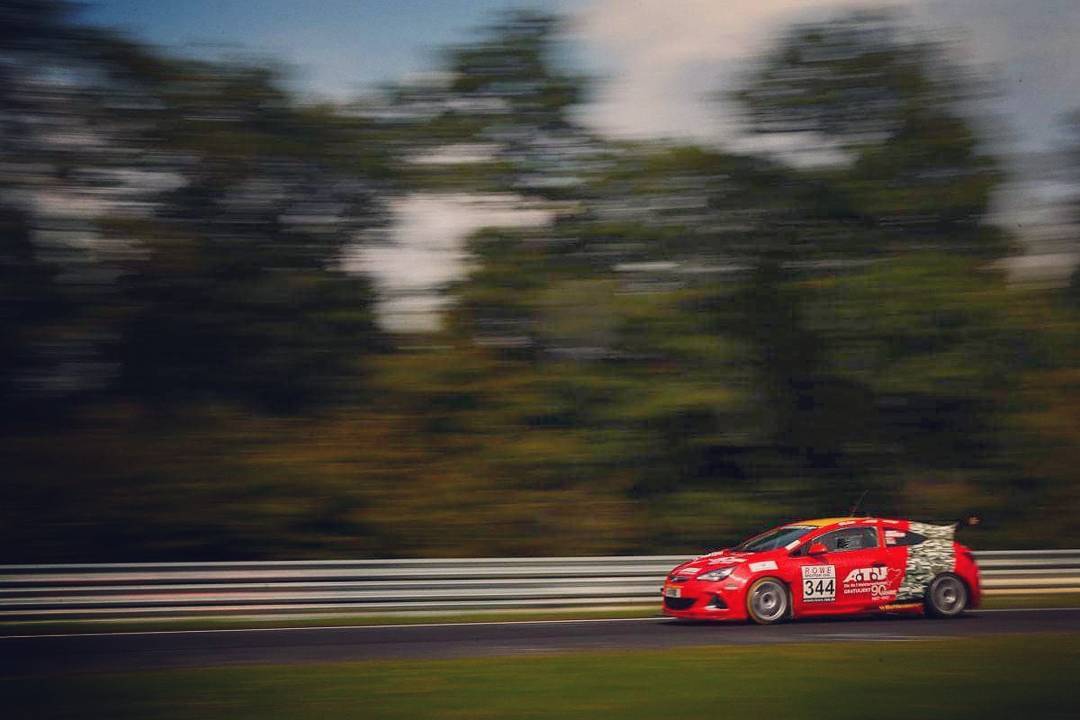
Vidyuth Iyer’s public archive carries a different motorsport reference. In a 2017 post from the Nürburgring, Iyer recorded a third place in class and described the work of learning a difficult circuit through traffic, co-drivers and repetition. That experience belongs to circuit racing, though the underlying discipline travels well. The driver still has to remember the road, manage the car and leave enough attention for the next decision.
The three names therefore arrive with different references and the same practical task. The car has to be placed accurately. The driver has to stay ahead of the course. A short run has to be treated with the seriousness of a long stage because one missed gate can undo the work that came before it.
Thailand is the next public marker
The Thai stage matters because an international series becomes real when competitors have to travel, adapt and perform in front of a different audience. The course may be compact, yet the surrounding work is substantial. Teams prepare the car, move equipment, understand the local conditions and arrive with a plan that can survive the first unfamiliar run.
The public calendar gives the story its direction. The final entry list will give it its exact shape. Until that document is published, ViPeople will keep the language measured. There is enough to report about the pathway, the discipline and the Indian names at its centre. The result should wait for the timing sheet.
A preview with the right promise
Gymkhana has a special ability to make improvement visible. A driver returns from a run knowing the exact place where the car hesitated. The next attempt begins with a better question. That rhythm is how international competition is built, and it is why the Thailand chapter deserves attention before the first official result arrives.
Pragathi Gowda, Sahil Khanna and Vidyuth Iyer carry three Indian threads into that conversation. The next report will add the confirmed entry, class and result when the organisers publish them. For now, the story is the route towards Thailand, and the precision required to earn a place at the finish.