
Leclerc Heads a Close, Three-Team Friday as Formula 1 Returns to Sepang
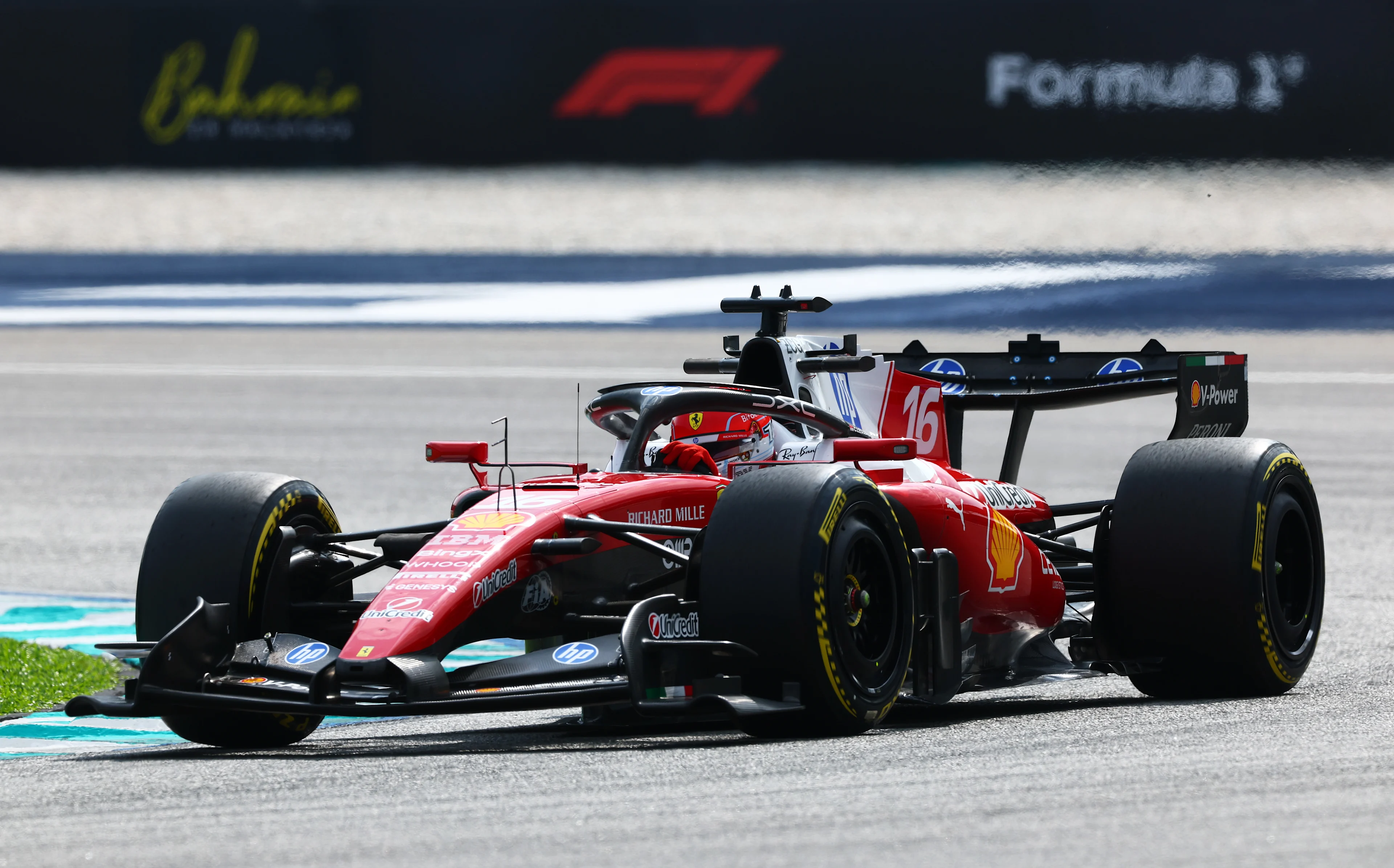
Charles Leclerc topped FP2 by 0.099 seconds from Isack Hadjar, with Lando Norris third. Max Verstappen set the reference in FP1 before Leclerc’s Ferrari led an even closer second session.
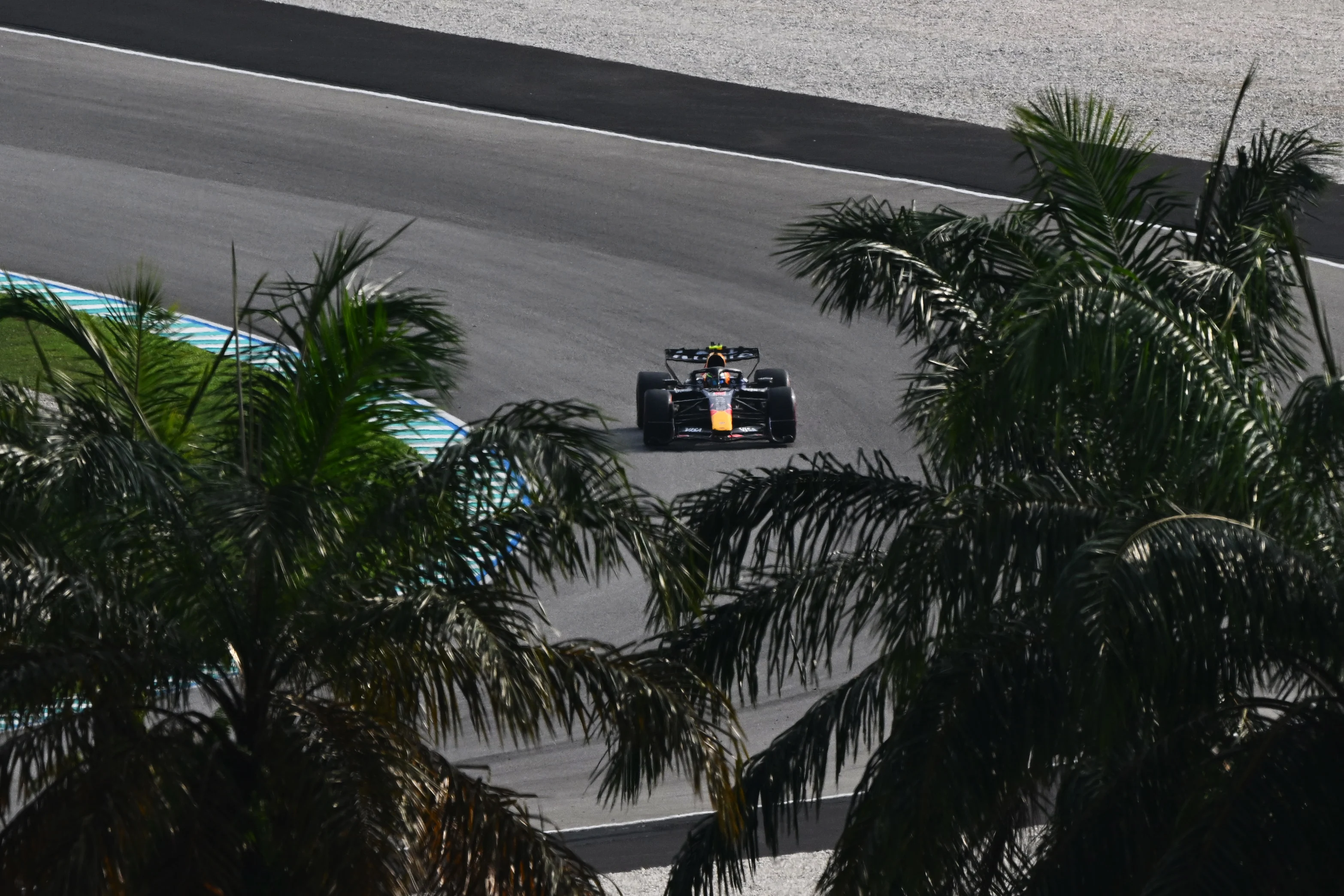
Photograph: Formula 1 official media- FP2 fastest
- Charles Leclerc · 1:37.528
- FP2 top three
- Leclerc · Hadjar · Norris
- FP1 fastest
- Max Verstappen · 1:37.520
- FP2 top four gap
- 0.257 seconds
- Circuit
- Sepang International Circuit · 5.543 km
- Race distance
- 56 laps
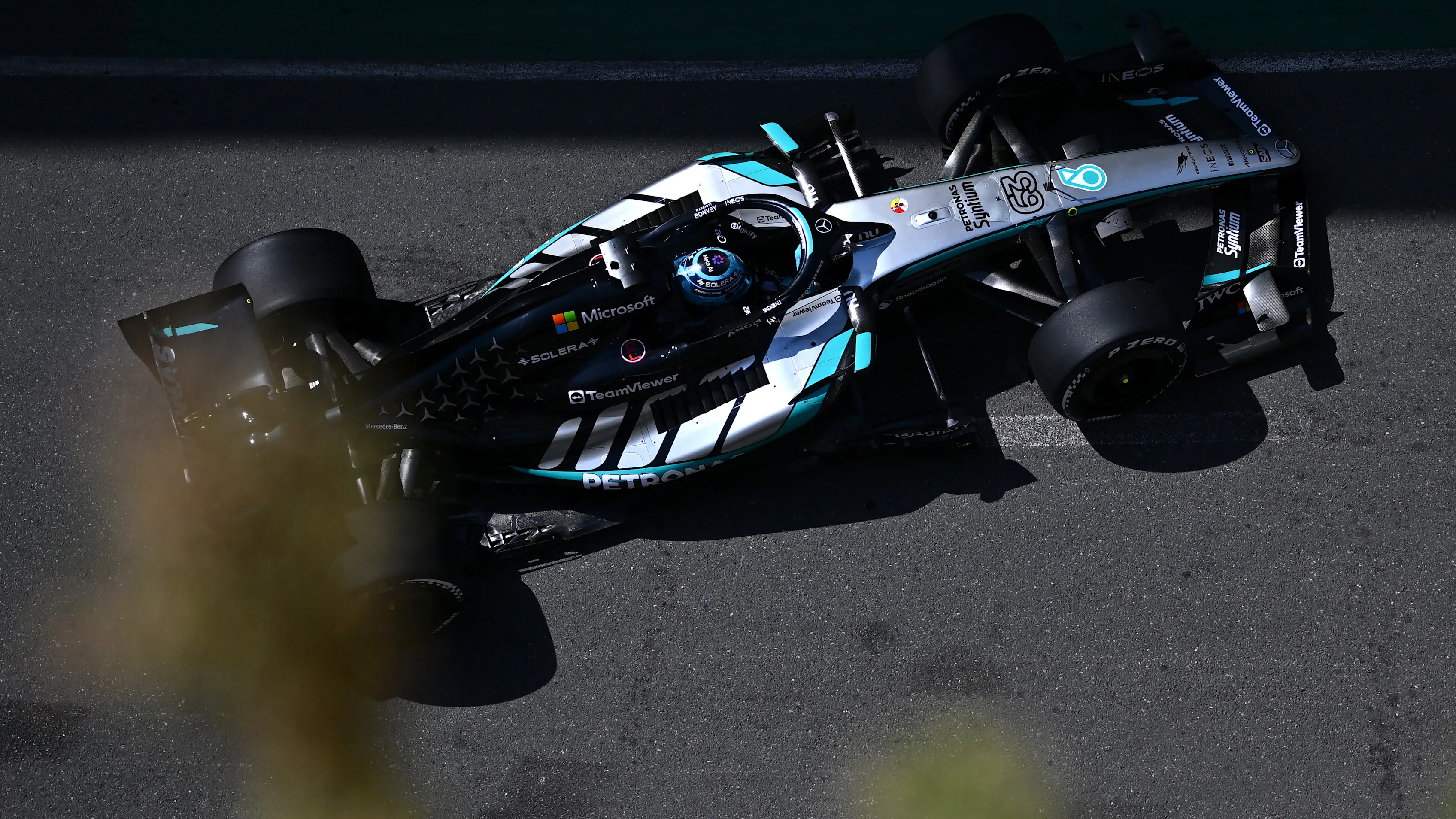
Formula 1 returned to Sepang with an opening Friday that resisted a simple reading. Max Verstappen set the pace in FP1. Charles Leclerc answered in FP2, where Isack Hadjar was only 0.099 seconds behind and Lando Norris completed a top three made up of three different teams. The fastest four were covered by 0.257 seconds, while the teams spent much of the day trying to understand an unfamiliar surface in high heat.
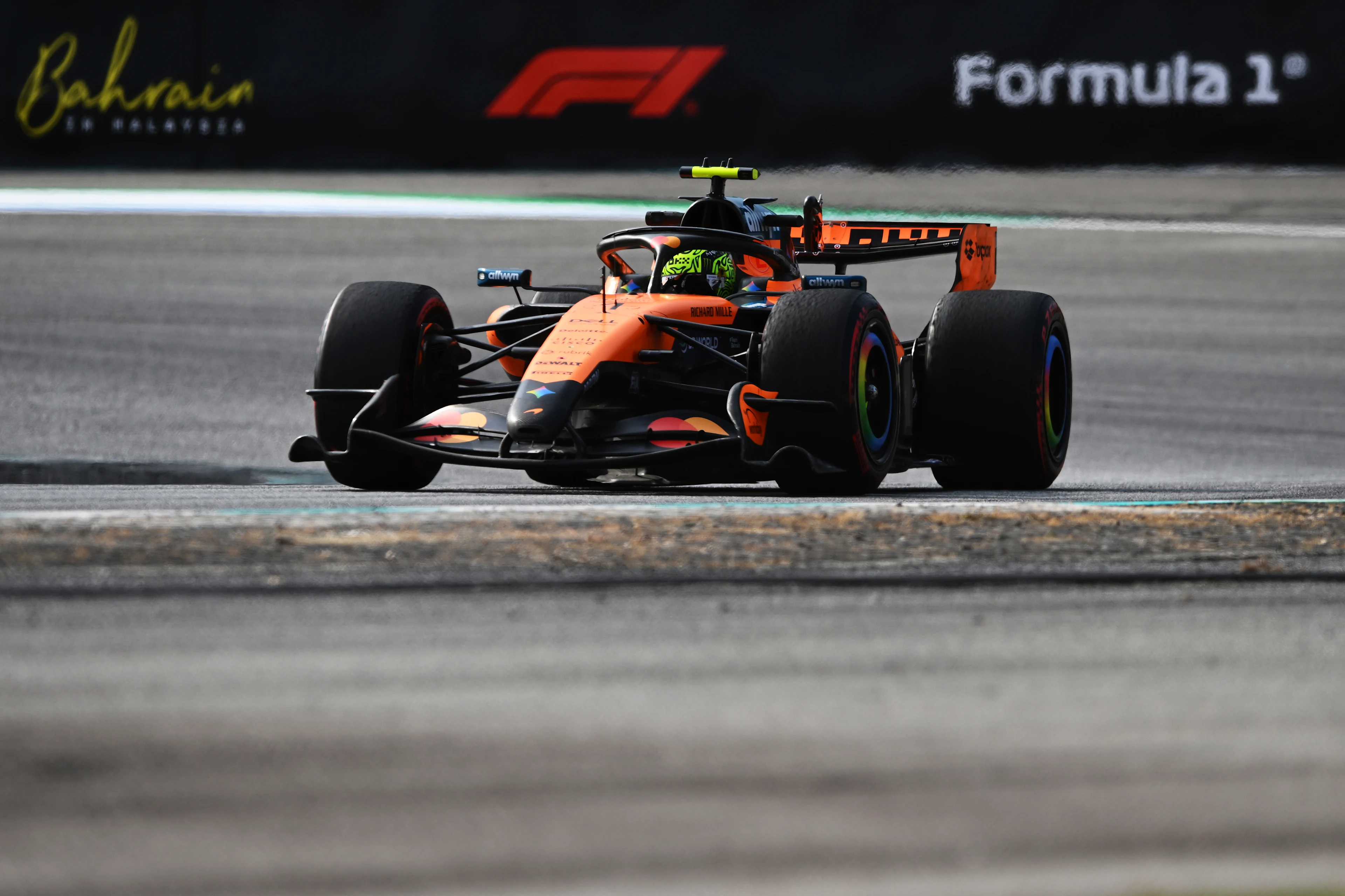
The event is officially presented as the Bahrain Grand Prix in Malaysia, but the cars are at the Sepang International Circuit, hosting its first Formula 1 weekend since 2017. The return gives the paddock a circuit with long corners, heavy braking and two lengthy straights. Its 5.543-kilometre lap asks for a car that can be stable through the fast direction changes and still deliver traction when the drivers get back on the power.
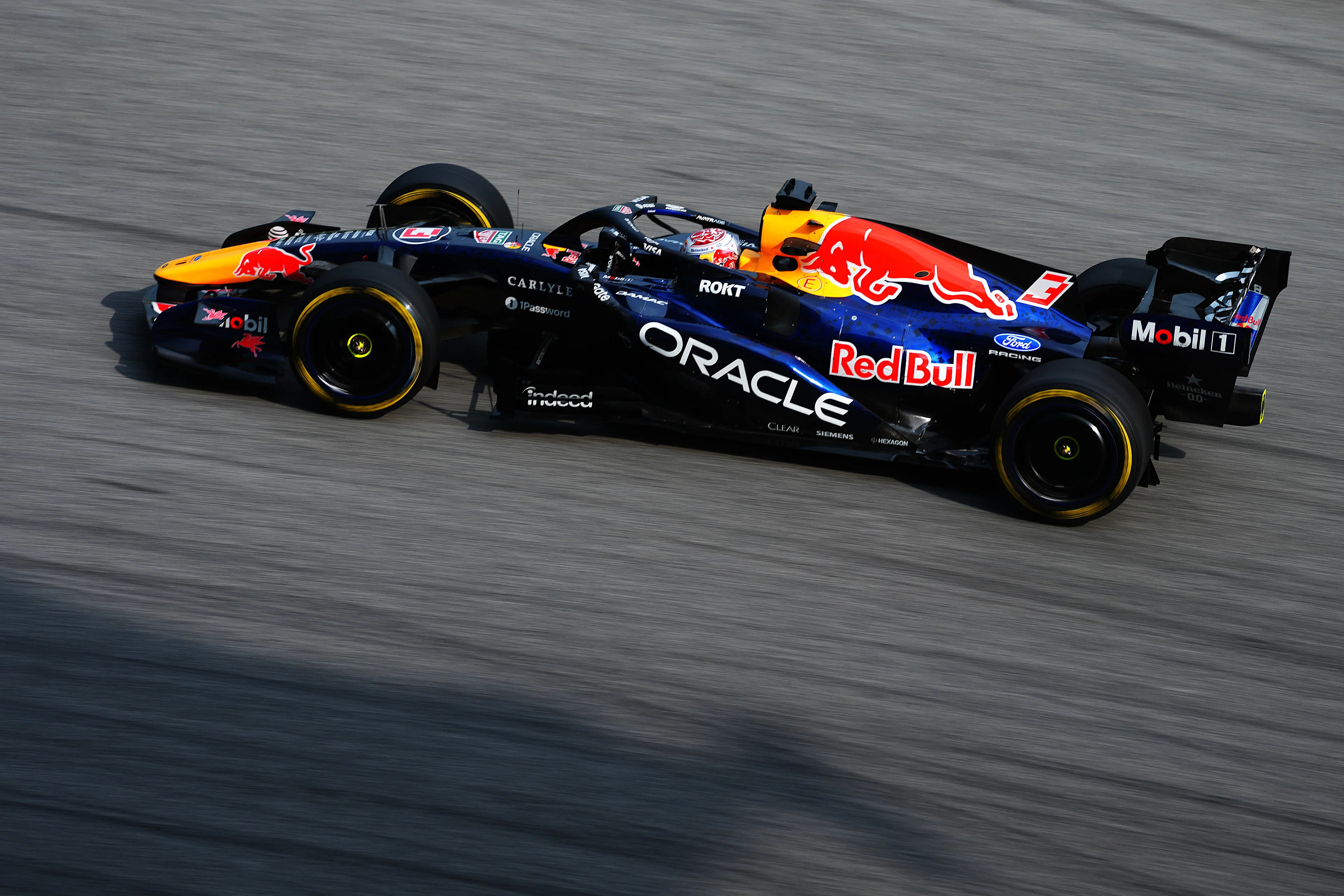
Verstappen set the opening reference
Verstappen’s FP1 benchmark was 1:37.520, with George Russell second and Hadjar third. It was a useful first indication, not a verdict on the weekend. The circuit was hot and dusty, and the grip changed as more rubber went down. Teams were also learning how their updated cars behaved over a lap and in the longer runs that reveal tyre life.
The opening session mixed familiar questions with unfamiliar reference points. The drivers had no recent Formula 1 weekend at Sepang to rely on, and the teams could not simply transfer this year’s data from another track. The quickest time showed what was possible in one window. It said less about how the tyres would hold up across a stint or how much balance the cars would keep when the track temperature shifted.
Leclerc answered when the field changed tyres
FP2 gave Leclerc a lap of 1:37.528 and the top place. Hadjar finished at 1:37.627, with Norris on 1:37.665. Verstappen was fourth, 0.257 seconds off Leclerc, and Lewis Hamilton fifth at 0.305 seconds. The order put Ferrari, Red Bull and McLaren into the top three, yet Friday practice is still a set of clues shaped by fuel loads, tyre choice and run plan.
Leclerc’s lap mattered because it came on a day when the Ferrari looked capable of extracting speed from a changing track. Hadjar’s pace was another striking part of the session. He was close enough to make the Red Bull’s single-lap form impossible to ignore, although his weekend also includes a five-place grid penalty for an engine change. Norris’s third place gave McLaren a strong starting point for the next day, without revealing how much margin remained in its programme.
A practice table, not a forecast
The FP2 classification is compact. It is also easy to overread. Drivers do not all leave the pits at the same time, carry the same fuel or use the same power settings. The first day tells teams where to look. Saturday qualifying will show which of those early impressions survives a more direct comparison.
| Session | Position | Driver | Time or result |
|---|---|---|---|
| FP1 | 1 | Max Verstappen | 1:37.520 |
| FP1 | 2 | George Russell | P2 |
| FP1 | 3 | Isack Hadjar | P3 |
| FP2 | 1 | Charles Leclerc | 1:37.528 |
| FP2 | 2 | Isack Hadjar | +0.099 sec |
| FP2 | 3 | Lando Norris | +0.137 sec |
| FP2 | 4 | Max Verstappen | +0.257 sec |
| FP2 | 5 | Lewis Hamilton | +0.305 sec |
Heat and degradation shaped the long runs
Sepang’s Friday conditions put tyre management near the centre of the discussion. The teams described a hot, dusty and slippery surface with low grip and significant degradation. Pirelli’s observations from the long runs pointed to a loss of a few tenths per lap as the compounds wore, with two or more pit stops a realistic strategic possibility. That is an early assessment, not a prediction of the race plan. Track evolution, temperatures and the eventual tyre allocation can change the calculation.
The details behind a Friday lap are important here. A driver may set a quick time on a new soft tyre, then spend the rest of the run learning where the rear begins to slide or how much front grip remains in a long corner. Those observations can be more valuable than a single time at the top of the board. Sepang rewards a car that carries speed, though the tyre has to survive that work.
Different problems appeared across the garages
Verstappen did not use a soft tyre in FP2, with Red Bull concentrating on longer runs. That makes his fourth place difficult to compare directly with the best one-lap attempts. Mercedes had a less comfortable afternoon. Russell ended seventh and Andrea Kimi Antonelli eighth, while the team worked through balance concerns and tyre temperatures on its update package.
Hamilton received a warning after impeding Gabriel Bortoleto. The Audi driver later stopped on track, bringing out a late virtual safety car. Both details interrupted the final part of the session and reduced the time available for teams to complete their programmes. A Friday practice report is partly a record of such interruptions, because even a small loss of track time matters when every crew is building its first picture of a new weekend.
Hadjar’s penalty is another thread to keep in view. His speed places him near the front of the raw times, while the five-place grid drop changes what that pace may mean on Sunday. Red Bull still has qualifying to contest and setup decisions to make. The penalty does not remove the value of his practice work, though it may shape how aggressively the team chooses to use the remaining sessions.
The next comparison will be clearer
Saturday’s final practice and qualifying will bring the teams closer to a like-for-like test. One day has been enough to establish that Ferrari, Red Bull and McLaren are all present at the front, and that the surface is asking the tyres difficult questions. It has not established a pecking order for the race. Sepang has too many variables, and the first Friday of a returning event is too early for certainty.
That restraint is part of what makes the opening day interesting. Verstappen began quickest, Leclerc finished quickest, and Hadjar and Norris placed themselves in the conversation. The top five were split by three tenths. The teams now have their first data set and one more practice hour before qualifying turns the loose possibilities of Friday into a more exact test.