
Fabid Ahmer and the Wider Indian Rally Road
The road to a world-stage team is made of multiple crew. Fabid Ahmer’s international experience and TSI Racing’s expanding bench show how the ecosystem grows around a headline pairing.
Created using advanced editorial technology. Reviewed and approved by ViPeople.
Photograph: TSI Racing- Driver
- Fabid Ahmer
- Team connection
- TSI Racing and MRF Racing programmes
- 2025 Coimbatore
- Second in INRC2
- International step
- Qatar International Rally experience
- What it shows
- India’s rally ladder is widening
A country’s rally future cannot rest on one car. It needs drivers moving through different classes, crews learning international procedure and teams with enough depth to keep a championship programme alive.
Fabid Ahmer belongs in that wider picture. Public 2025 INRC coverage records him finishing second in INRC2 at Coimbatore with co-driver Milen George Cherian, while earlier international coverage documents his Qatar International Rally outing. His path is different from Dean Mascarenhas and Gagan Karumbaiah’s, but it feeds the same national ecosystem.
Why the second crew matters
When a team fields multiple serious crew, data travels faster. Drivers compare tyre choices, notes and surface changes. Engineers get a second reference. Young competitors see a route that continues beyond the first national podium. That depth is part of what makes a team ready for bigger events.
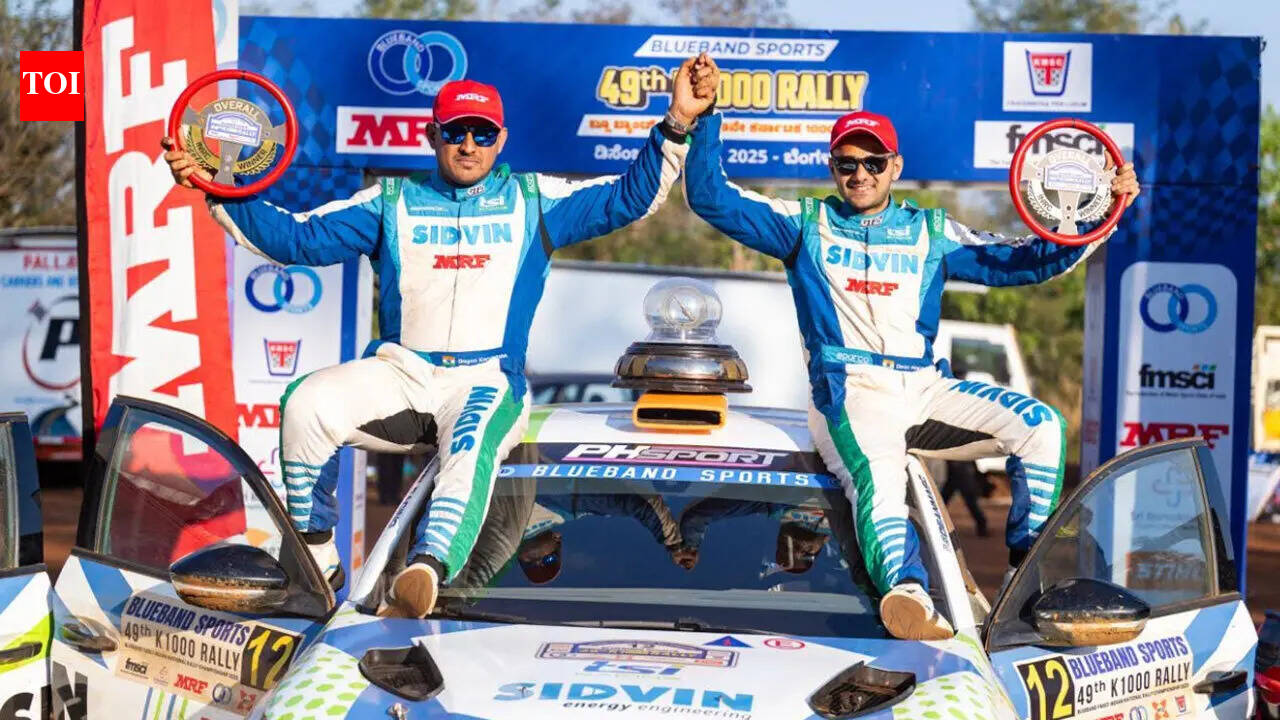
TSI Racing’s 2025 season showed the value of that structure at the front, with Aditya Thakur and Virender Kashyap joining the team’s one-two at K1000. Ahmer’s presence in the wider INRC field makes the same point from another angle: the Indian rally story is becoming more connected.
A ladder built one step at a time
Road to WRC is a ladder built from national results, class experience, international starts and the relationships that make the next car possible. Ahmer’s story is a reminder that the ladder has to be wide enough for multiple driver to climb it.
The depth that keeps a team moving
A headline crew attracts attention, yet the health of a rally team can be seen in the people around it. A second crew creates another source of information, another set of reference times and another driver capable of carrying the team’s work into a difficult weekend. Fabid Ahmer’s path belongs to that wider layer of the Indian rallying system.
His experience across Indian and international events gives him a useful perspective on adaptation. Each country has its own surface, pace and event culture. The driver learns to respect the differences while keeping the fundamentals of clean notes, accurate positioning and controlled commitment. Those lessons also become valuable to the engineers and teammates working nearby.
A broad team story creates more opportunity for everyone. Young drivers see a possible route, established crews gain stronger competition and sponsors can support a programme with genuine depth. Ahmer’s results and experience are part of that structure. The road to the world stage becomes more convincing when several Indian drivers are moving along it together.
Depth is a competitive advantage
A team with a second strong crew can learn twice in one weekend. One car may reveal how the tyres behave, while another shows whether a setup change is helping. Drivers also gain a reference from one another, which can sharpen the decisions made in the next service.
Fabid Ahmer brings that wider value through experience. His time across different events has taught him to respect the character of each road, then return to the essentials of accurate notes, tidy positioning and controlled commitment. Those habits are useful to a team building its next step.
A deeper Indian field benefits everyone. Established crews face stronger competition, younger drivers see a route that feels possible and sponsors can support a programme with multiple point of interest. Ahmer’s story belongs to that healthier structure.