


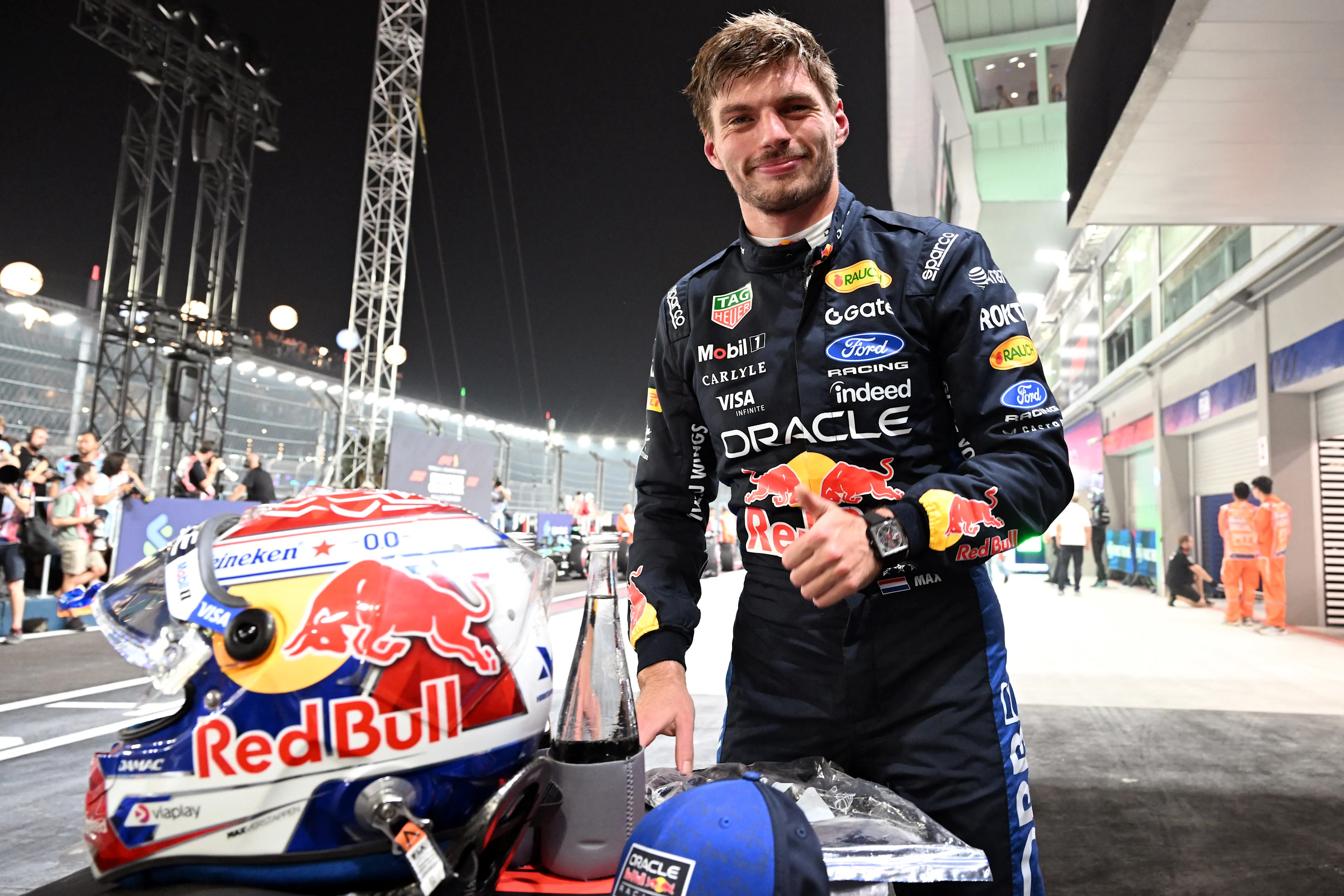
Verstappen Turns Singapore Pole into His First Marina Bay Grand Prix Victory
Max Verstappen kept his Red Bull ahead through 62 laps beneath the Singapore lights to claim a first Grand Prix victory at Marina Bay. Charles Leclerc finished second and Kimi Antonelli took third after a late fight reshaped the places behind them.
Photograph: Formula 1 official media- Winner
- Max Verstappen · Red Bull Racing
- Second
- Charles Leclerc · Ferrari
- Third
- Kimi Antonelli · Mercedes
- Distance
- 62 laps · Marina Bay Street Circuit
- Milestone
- Verstappen’s first Singapore Grand Prix victory
Singapore has a way of making even a fast car feel as if it is working through a narrow doorway. For 62 laps, Max Verstappen made the Marina Bay Street Circuit look measured. He converted pole position into his first Singapore Grand Prix victory, holding the race in his hands while the contest behind him moved through strategy, traffic and a late scramble for the final podium places.
Charles Leclerc brought Ferrari home second. Kimi Antonelli completed the podium for Mercedes, recovering from a weekend that had offered few signs of a finish quite so rewarding. Lando Norris and Oscar Piastri were in the closing fight, while Lewis Hamilton fell from the podium places to sixth after a late tyre decision left him vulnerable in the final laps.
A pole lap became a patient Sunday
Verstappen had already shown the speed to beat Ferrari over one lap. His qualifying time of 1:31.373 put him 0.054 seconds ahead of Leclerc, with Hamilton third and Antonelli fourth. The order set up a front row contest between Red Bull and Ferrari, but Singapore rewards more than a clean launch. The walls leave little room for correction, the sequence of corners asks for precision, and the race distance makes tyre life part of every decision.
The start settled the immediate question. Verstappen held the lead and began building a rhythm at the front. Behind him, the runners had to judge when to protect their tyres and when to use the grip they still had. At a street circuit, a driver can lose time by pushing too hard through a corner and by being too cautious in the next one. The quickest lap is only useful if the tyres remain ready for the next 61.
The race was won in the spaces between the pit stops
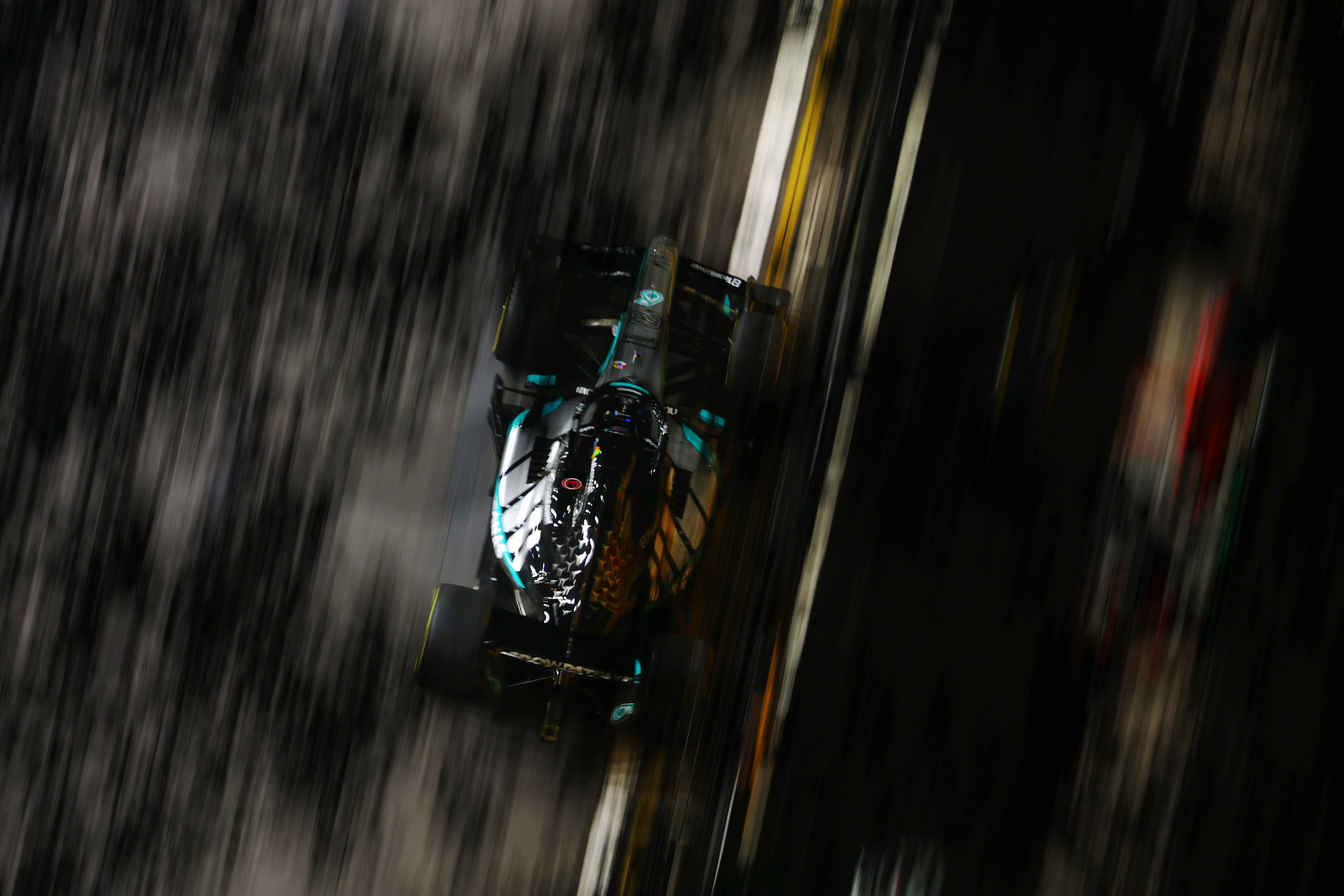
Singapore’s Grand Prix rarely gives a team a simple afternoon. A car can look settled, then lose its advantage when traffic arrives or a neutralisation changes the cost of a stop. Verstappen’s task was to keep his own race legible. He managed the pace, gave Red Bull the room to work through its strategy and returned to the lead without allowing the interruptions behind him to become a threat.
The Virtual Safety Car after Lance Stroll’s braking problem brought the pit-wall calculations into sharper focus. A cheaper stop can be worth several seconds, though only if the timing and the traffic work in a team’s favour. Every car has a different tyre history and a different target. A strategy that helps one driver can leave another exposed, which is why the order changed as the field moved through its stops.
Verstappen emerged from that shifting sequence with control of the race. Leclerc stayed in the conversation and took the opportunity to carry Ferrari to second. The gap at the front grew and then narrowed as the race developed, but the Red Bull’s position was secure enough for Verstappen to concentrate on clean exits and careful tyre use. No single pass announced his victory. It gathered shape through a series of laps in which the leader left the circuit no mistake to punish.
A podium fight crowded the final laps
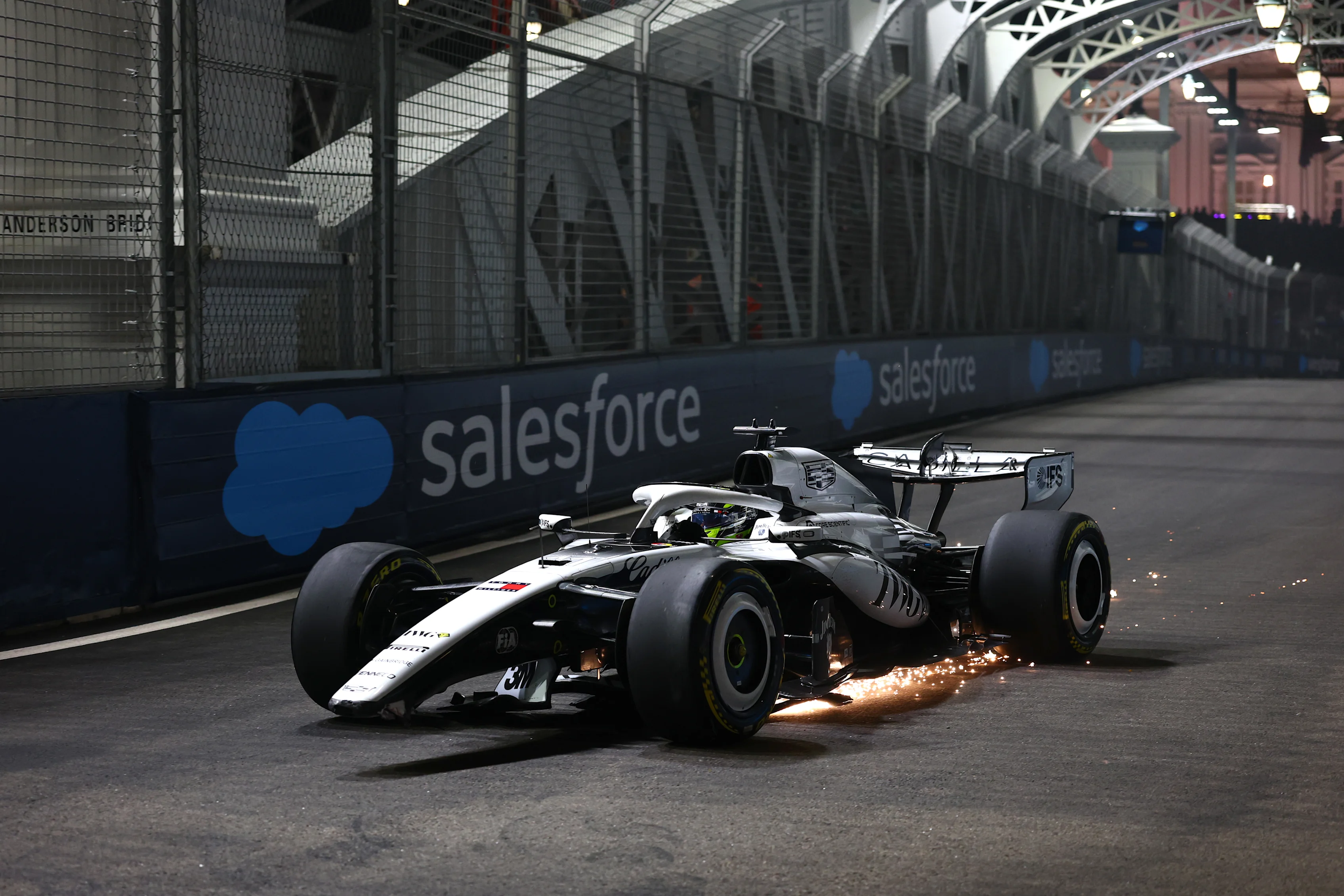
The strongest late pressure came from the group behind Leclerc. Antonelli found a route past Hamilton, then defended his place as Norris arrived. Piastri joined the exchange too. The McLaren made its move on Hamilton on lap 62, dropping the Ferrari driver from third to sixth by the finish. For Antonelli, third place was the reward for staying close enough to the fight to take advantage when the opportunity arrived.
The result was harder on Hamilton. He had spent the earlier part of the race in the podium places, but chose to stay out when a Virtual Safety Car offered a less costly stop. That left him trying to protect worn tyres against drivers with more grip. The position changed quickly once the challengers were close enough to attack. Singapore compresses those decisions into a handful of corners, where one tyre call can become three overtakes.
Nico Hülkenberg held eighth for Audi, with George Russell ninth after recovering through the field. Russell’s finish added a quieter measure of the afternoon’s difficulty: progress was possible, but each place had to be earned through traffic and a circuit that offered few easy openings.
| Position | Driver | Team |
|---|---|---|
| 1 | Max Verstappen | Red Bull Racing |
| 2 | Charles Leclerc | Ferrari |
| 3 | Kimi Antonelli | Mercedes |
A first Singapore win, earned the Singapore way
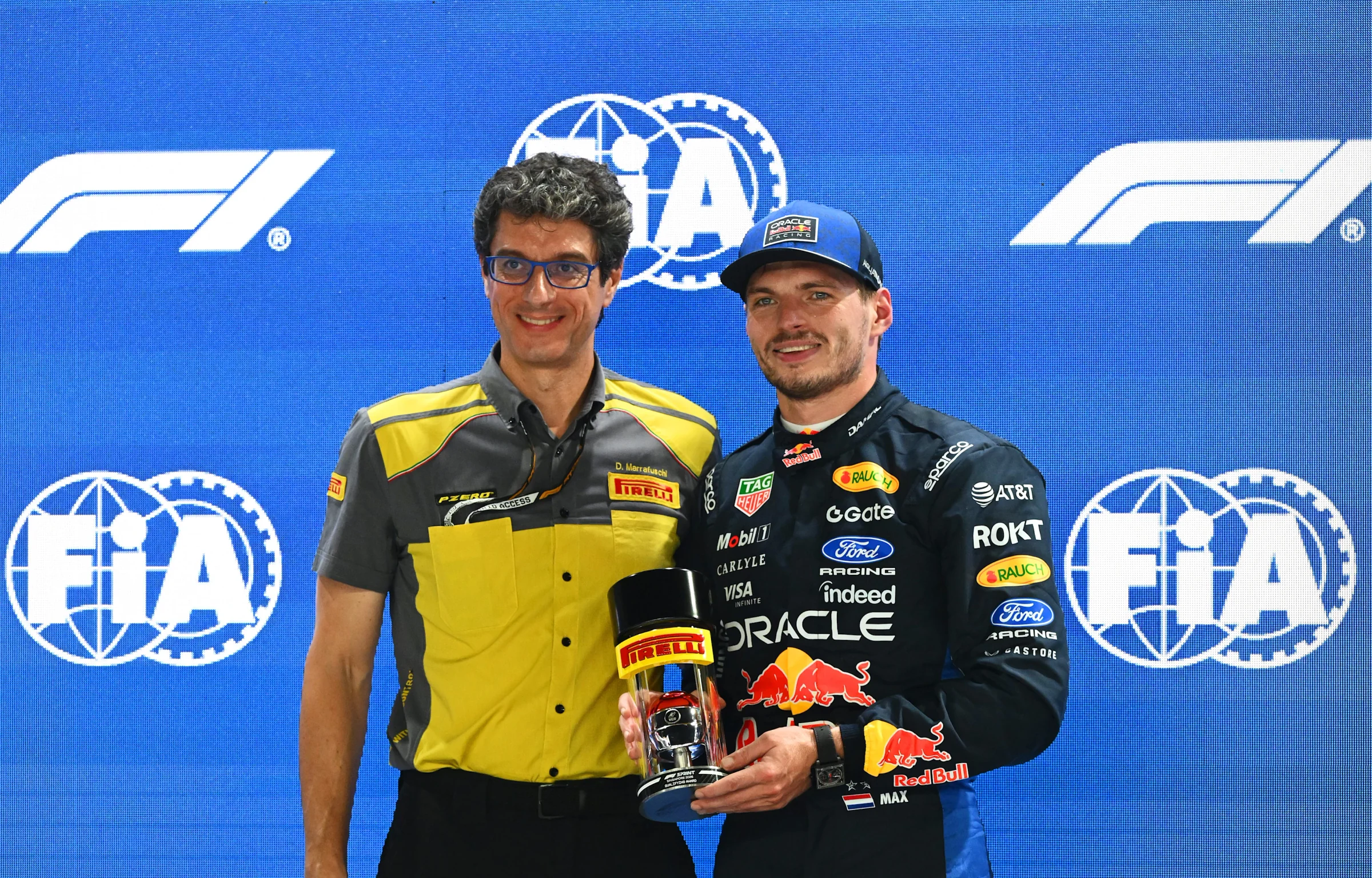
Verstappen’s weekend had begun with Sprint pole and a Sprint victory in the rain. The Grand Prix asked for a different kind of command. It needed a longer view, a calmer use of the tyres and a willingness to let the race unfold without forcing it. He supplied all three. His first victory at Marina Bay carries a special place in a career that has included wins at nearly every kind of circuit.
Leclerc’s second place gave Ferrari a strong result from the front row, while Antonelli’s podium showed the value of keeping the car in reach of the leaders. Their routes to the finish were different, but both benefited from a race that continued to ask new questions deep into its final stint.
For Singapore, the final scene held more than the winner beneath the lights. The race was still moving behind him, Hamilton trying to preserve his place, Norris searching for room and Piastri arriving on the final lap. Verstappen had already answered the circuit’s hardest question. He would leave Marina Bay with a new chapter in his record and a Sunday drive that never needed to raise its voice.