Behind the Scenes: Preparing for the Coimbatore Rally
A full day of gravel testing in Coimbatore brought together Sonakshi, Dheeraj Salimath, Arvind Dheerendra, Aditya Thakur, Daraius Shroff and Arjun Dheerendra, alongside a newly imported Peugeot 208, for a close look at the work behind the rally.
Dheeraj SalimathPublished 15 min read
Photograph: Dheeraj Salimath
Audio articleListen to this storySerena (Enhanced) · English UK
Long before the first competitive stage begins, rallies are won through preparation. At the 29 August gravel testing session in Coimbatore, organised by Chettinad Sporting, the work was visible everywhere: in the cars returning through the dust, in the engineers leaning over open bonnets, in the mechanics checking details between runs and in the crews trying to turn every kilometre into useful information.
I was there navigating Sonakshi, a rookie driver who put together an impressive and productive day behind the wheel. We were there to build confidence on gravel, understand the car more clearly and collect the kind of information that can make the rally weekend calmer. Around us, several of India's leading rally teams, drivers, navigators, engineers and mechanics were doing the same job in their own way.
Testing has a different atmosphere from a rally. There is urgency, because every run matters, yet there is also room to stop, ask a question and try something again. A driver can return from a corner with a feeling that is difficult to describe, and the team can then make a change while that feeling is still fresh. The next run becomes an answer.
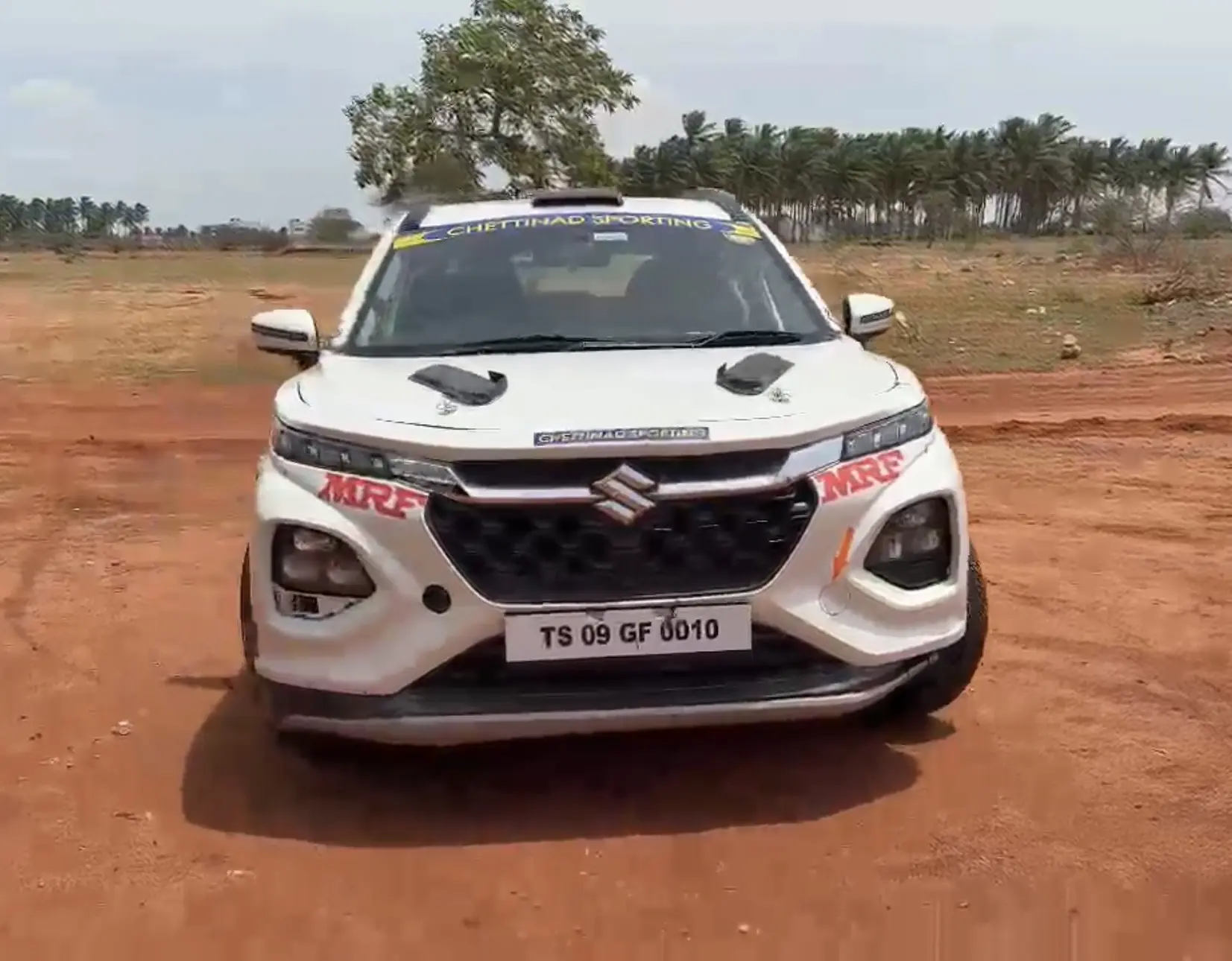
A Chettinad Sporting rally car faces the red gravel during the Coimbatore test.Photograph: Dheeraj Salimath
A rally starts long before the start line
The public sees a rally when the first car leaves the control. The teams experience it much earlier. They arrive with a car that has been prepared through long hours in the workshop, a set of tyres selected for the surface, a notebook full of questions and a crew that needs to understand how all of those decisions feel when the car is moving quickly.
A test day gives the team a rare chance to isolate those questions. Is the car rotating as the driver expects? Is the front end communicating enough under braking? Does the suspension keep the tyres working when the surface becomes rough? Is the driver asking for more grip, more stability or a sharper response? Each answer changes the next run.
The gravel in Coimbatore made those questions easy to see. The red surface moved underneath the cars, and every pass left a new line through the corner. Dust hid the car for a moment, then cleared to show how it had used the road. A car that looked composed from the outside could still return with a driver asking for a small change that would make a big difference inside the cockpit.
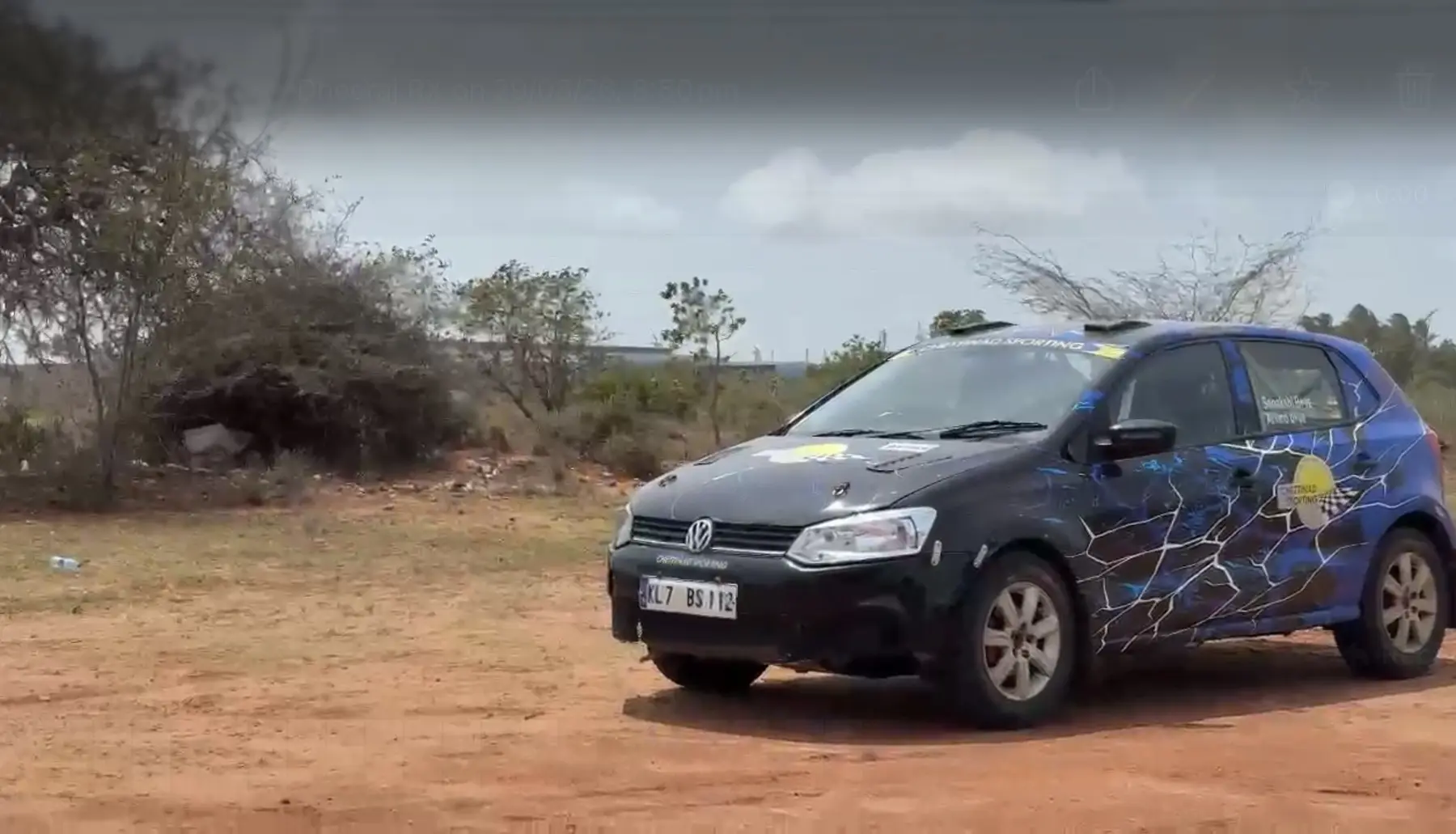
A Volkswagen rally car waits between runs on the Coimbatore gravel.Photograph: Dheeraj Salimath
Every adjustment turns a feeling into information
Throughout the day, teams worked through setup changes. Suspension settings, tyre pressures, ride height and overall balance were all part of the conversation. None of those areas exists in isolation. A change that gives the driver more confidence in one corner can alter the way the car behaves in the next, so the team has to keep the whole run in mind.
This is where the relationship between driver, navigator and engineer becomes important. A driver feels the movement directly. A navigator hears the description, watches the rhythm of the run and understands how that feeling could affect the pace notes. The engineer has to translate both accounts into something that can be measured, adjusted and tested again.
The best test days are full of small discoveries. A tyre may come in with a little more temperature than expected. A ride-height change may make the car more settled over a series of bumps. A driver may find a new braking point because the front of the car is giving clearer information. These are quiet gains, though they stay with the crew when the rally begins.
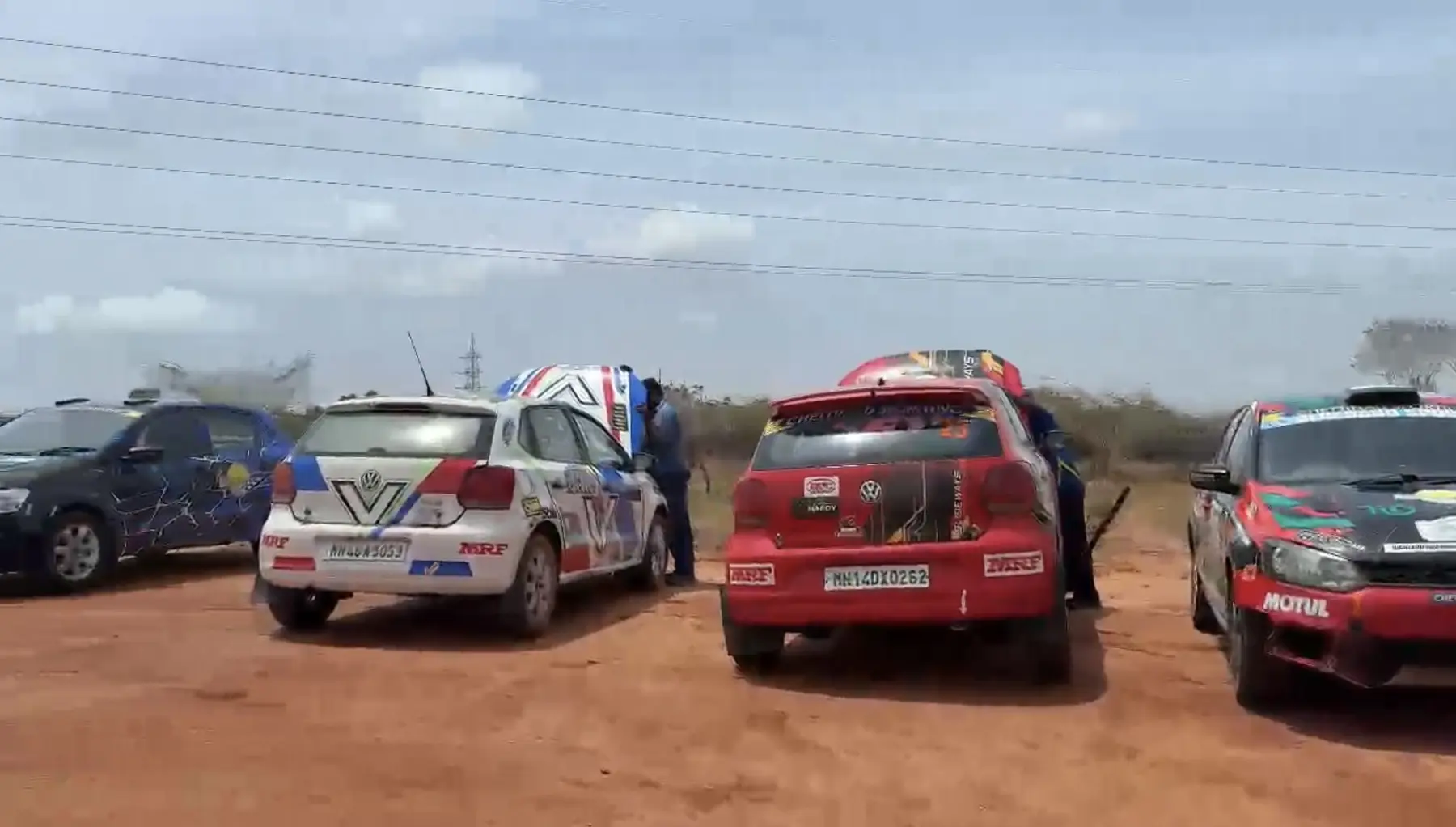
Several competition cars gather between runs at the Chettinad Sporting test.Photograph: Dheeraj Salimath
Sonakshi finds her rhythm on gravel
For Sonakshi, the day was about more than learning the layout of a test road. It was about making the car feel familiar while the surface continued to move underneath it. A rookie driver needs repeated laps that build a clear sequence in the mind: approach, brake, turn, balance the car and commit to the exit. Gravel adds another layer, because the road is always asking how much grip is still available.
She grew into the day with every run. The early laps were about understanding the surface and the car’s reactions. Later laps were about carrying that understanding into more confidence. The progress was easy to recognise in the way the car was placed and in the speed with which the crew could return to the next discussion.
That progress matters because confidence on gravel is built through evidence. A driver commits to a corner after the car has shown that it will respond. The next corner becomes a little more natural. A sequence that once demanded conscious attention begins to run through instinct. That is how testing creates a foundation for the pressure of competition.
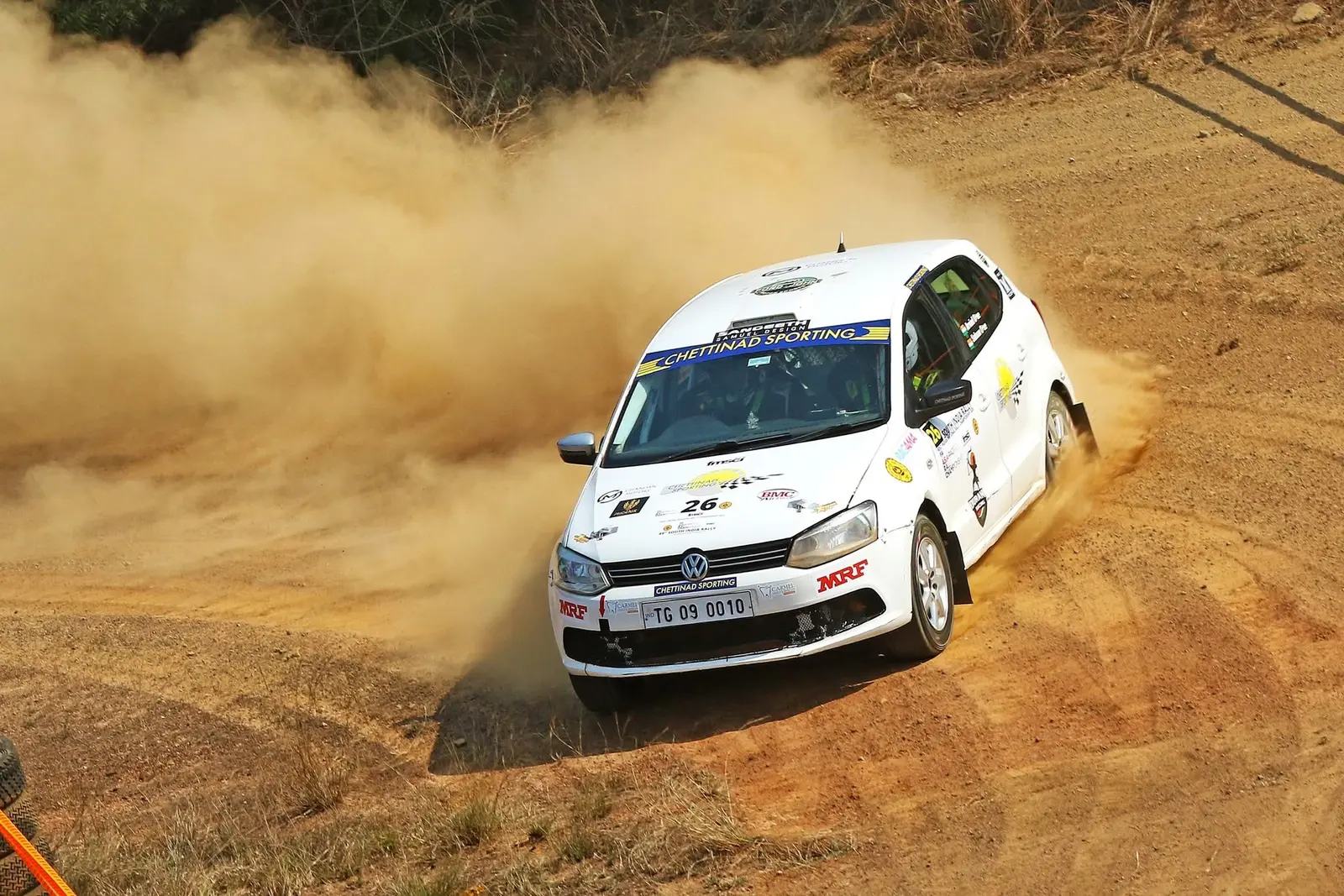
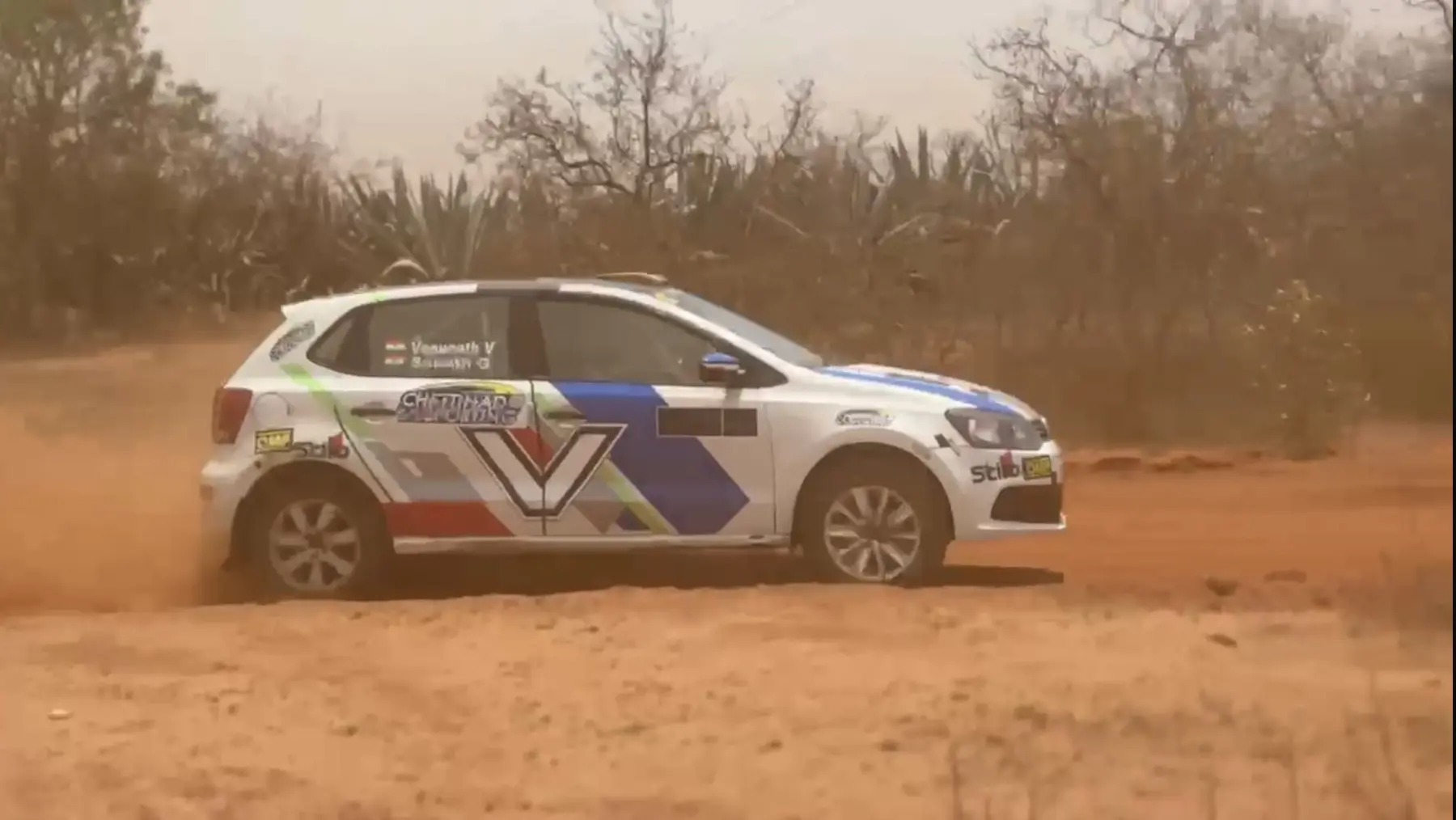
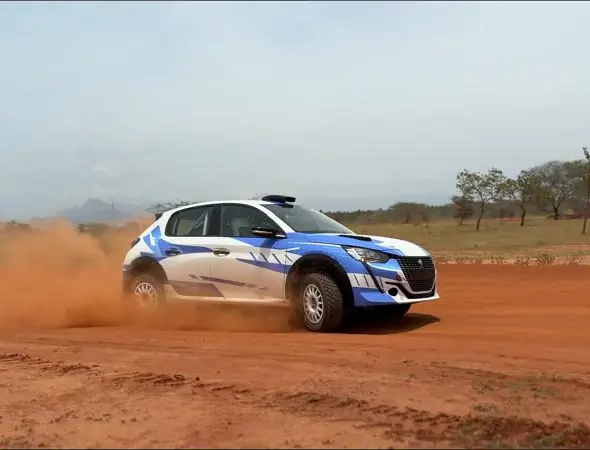
A white and blue Volkswagen throws dust through a gravel corner.Photograph: Dheeraj Salimath
Our job inside the car was to keep that progress connected. I had to give Sonakshi clear information, watch the rhythm of the run and make sure the feedback after each pass was useful. A navigator’s role during testing extends beyond reading the notes. It includes helping the driver explain what the car is doing and helping the team understand what the crew needs next.
A blue and white rally car works through the loose Coimbatore surface.Photograph: Dheeraj Salimath
The navigator’s work continues after the finish line
I have been racing and co-driving in Indian motorsport for over ten years, and testing keeps reminding me why the navigator’s job is so complete. The pace notes are only one part of it. Inside the car, the navigator protects the communication between two people who are working at speed. Outside the car, the navigator helps turn a run into a record that the team can use.
That record can include the way the surface changed, the point at which the tyres began to lose their edge, the places where the car moved more than expected and the moments when the driver felt most comfortable. It can also include the things that were not visible to somebody standing at the side of the road. A run may look quick while still leaving the crew with a list of details to improve.
The view from inside the car makes that process personal. The road arrives quickly, the surface changes in colour and texture, and the sound of the engine competes with the notes and the movement of the car. Every successful run is a shared exercise in timing. The driver needs the call before the corner, and the navigator needs to understand how the driver is responding to it.
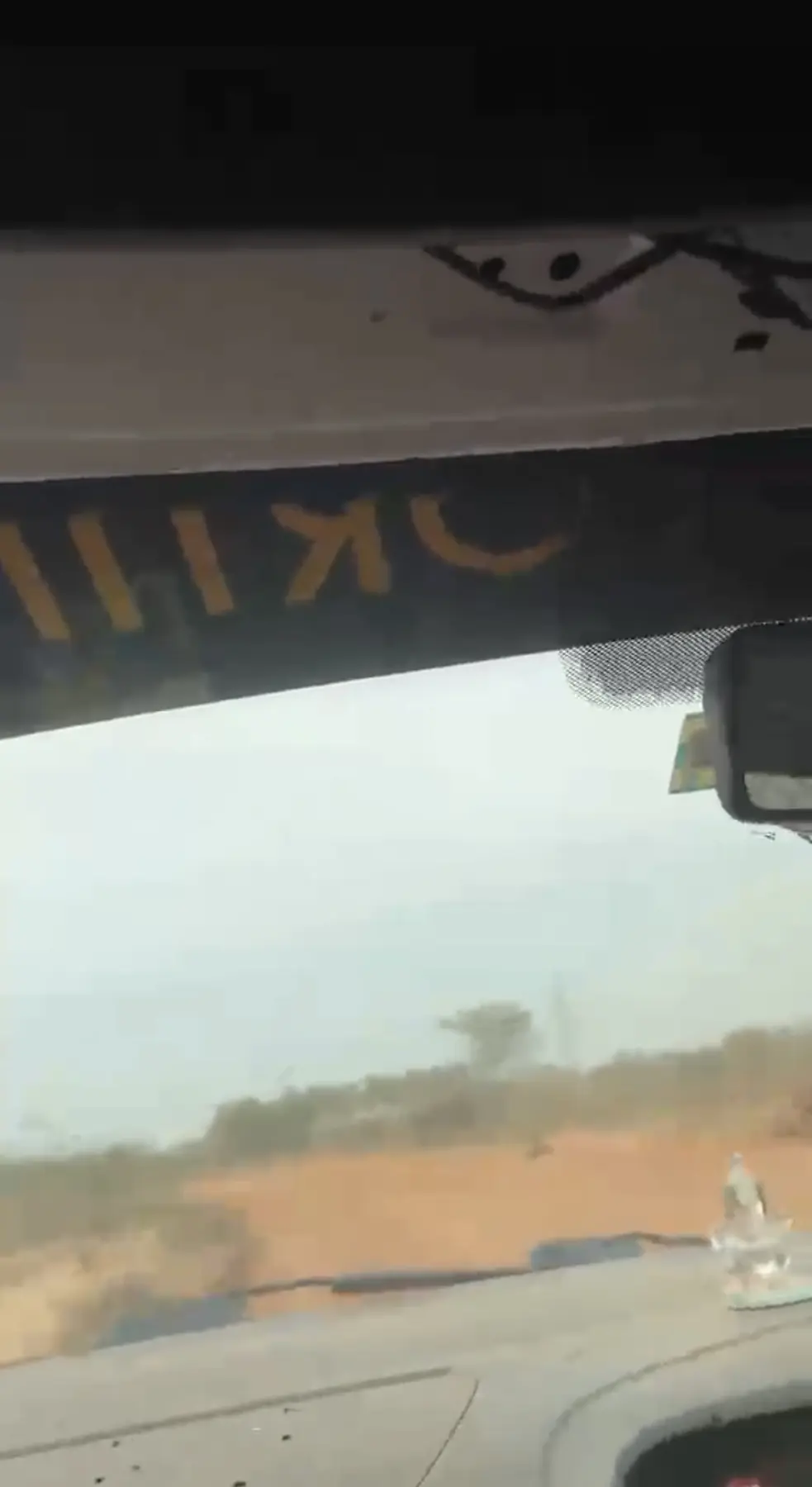
The view from inside the rally car during the Coimbatore test.Photograph: Dheeraj Salimath
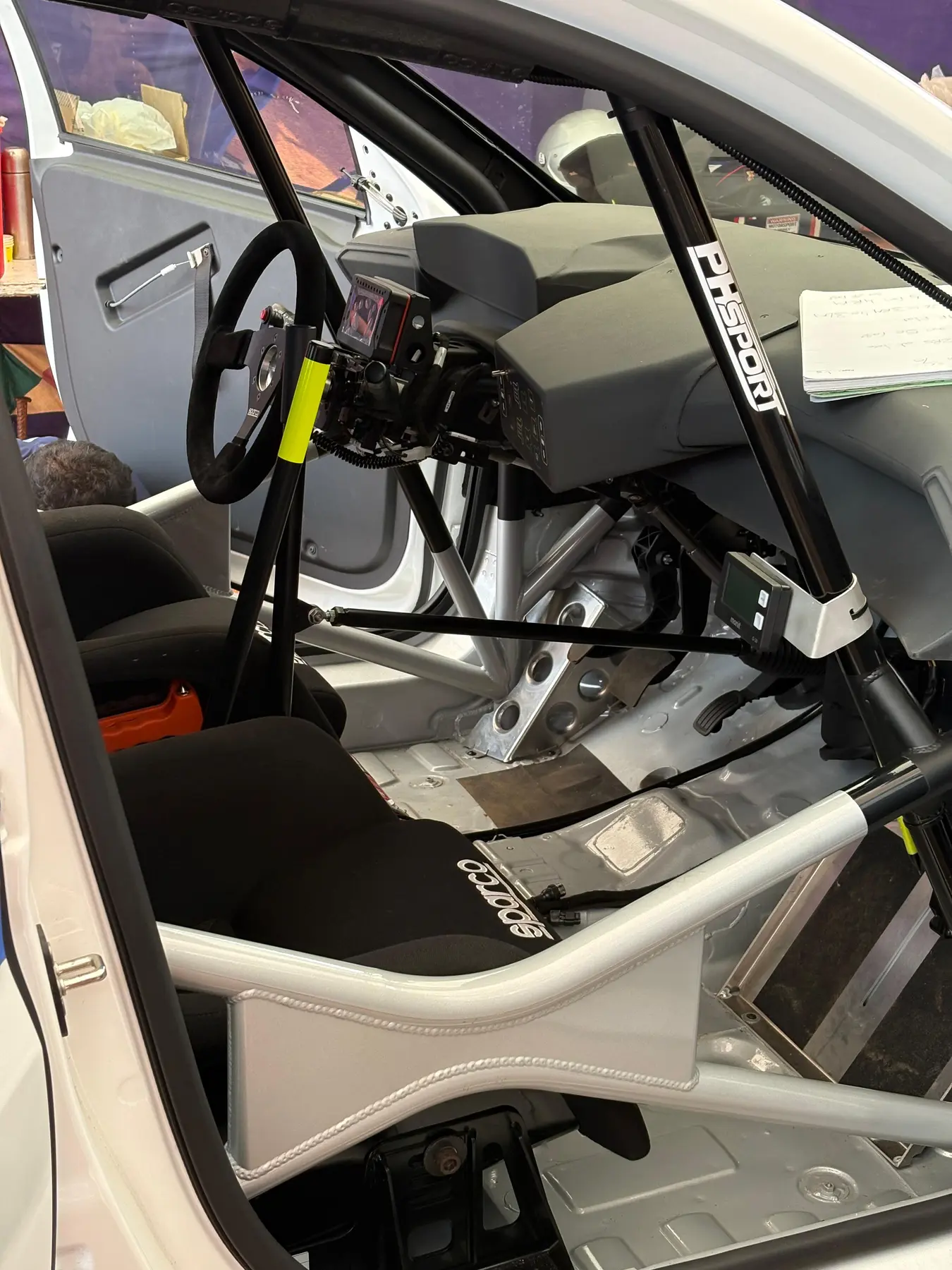
The Peugeot 208 competition cockpit, with its steering, display, roll cage and pace-note workspace.Photograph: Dheeraj Salimath
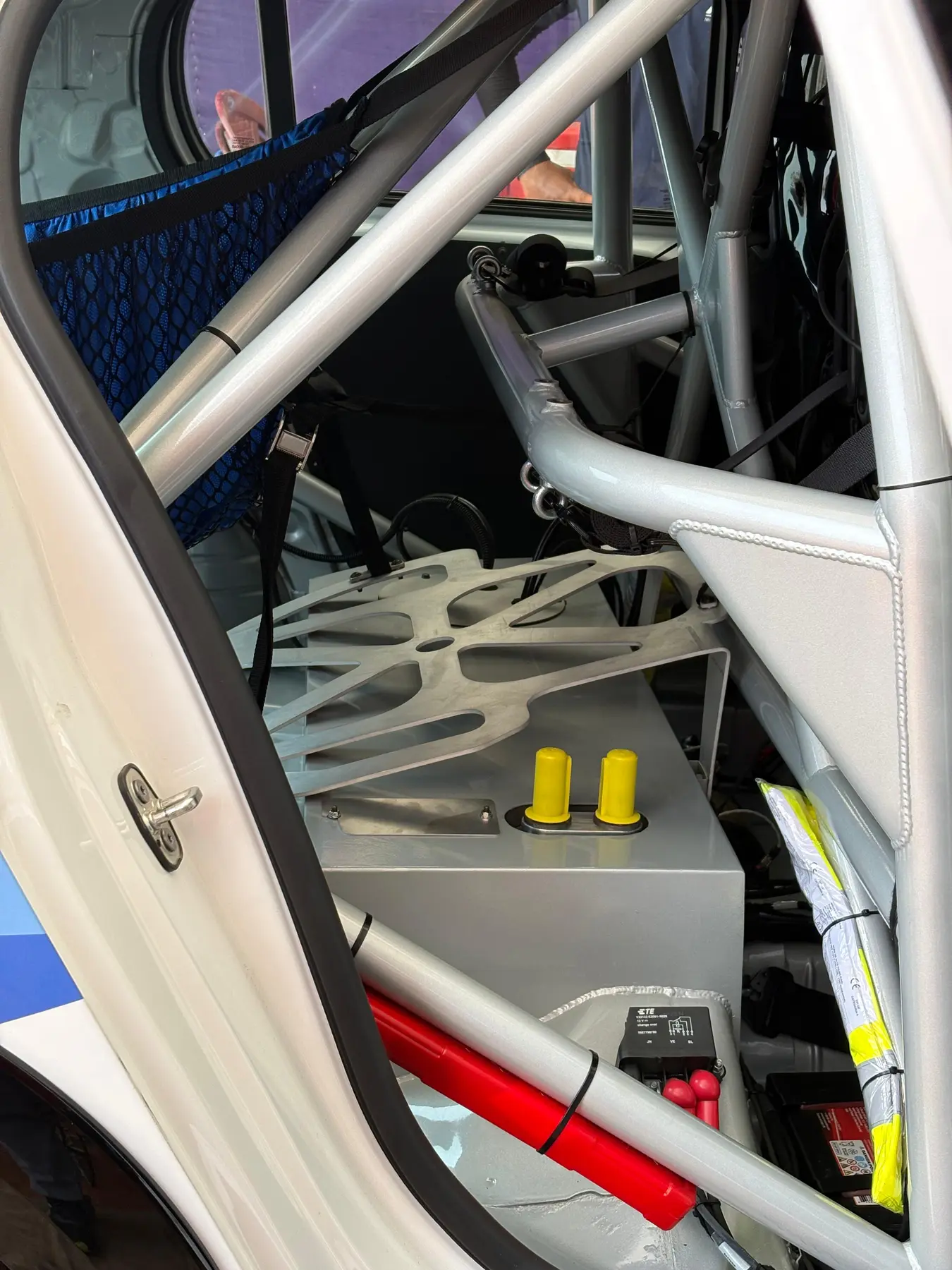
The rear of the Peugeot 208 cockpit shows the roll cage and safety equipment prepared for competition.Photograph: Dheeraj Salimath
The faults you want to find
Several teams faced mechanical issues during testing. That can look frustrating from the outside, especially when a car stops before the crew has completed the run they wanted. Inside a team, however, finding a problem during a controlled test is valuable. The same fault discovered on a competitive stage would cost far more in time, confidence and opportunity.
Reliability is built through these interruptions. A mechanic learns where a component is beginning to show stress. An engineer sees whether a change has created a new temperature or vibration issue. The crew learns how to report the problem clearly and how quickly the service team can respond. Every repair adds to the team’s understanding of the car.
That is why a productive test day cannot be judged only by the number of clean runs. A car that returns with a problem has still given the team information. The important question is whether the problem has been understood, whether the cause has been addressed and whether the fix can be trusted when the car is back under rally pressure.
The white and blue test car sweeps past the service area between runs.Photograph: Dheeraj Salimath
Arvind Dheerendra brings the benchmark
Arvind Dheerendra was making his second appearance in the upcoming rally, and he arrived in the way he often does: immediately on the pace. His times were competitive throughout the day, keeping the tuners and engineers busy as they worked to extract more performance from the car and refine its setup.
That kind of pace changes the character of a test. When a driver is already close to the limit, the team receives sharper feedback. A small gain becomes visible. A weakness becomes harder to ignore. The driver can ask for a more precise balance because the basic confidence is already there.
Arvind’s second outing also gave the team a clearer reference point. The first rally establishes a relationship with the car. The next test asks whether that relationship is becoming more precise. Every fast lap becomes useful when the driver can explain where the car gained time and where the setup still needs work.
A test car carries speed across the red gravel as the teams refine their setups.Photograph: Dheeraj Salimath
Aditya Thakur returns to the car
The testing day also marked the return of multiple-time National Champion Aditya Thakur, who fired up his machine after nearly two long years away. He spent last year gaining valuable seat time in a different car, and the return to the rally environment added another important thread to the day.
A return like this is measured in more than outright speed. The body remembers some things, while the mind has to rebuild the rhythm of a rally car. Braking points, weight transfer, commitment and the feeling of a loose surface all come back through repeated work. A test provides the space for that process to happen properly.
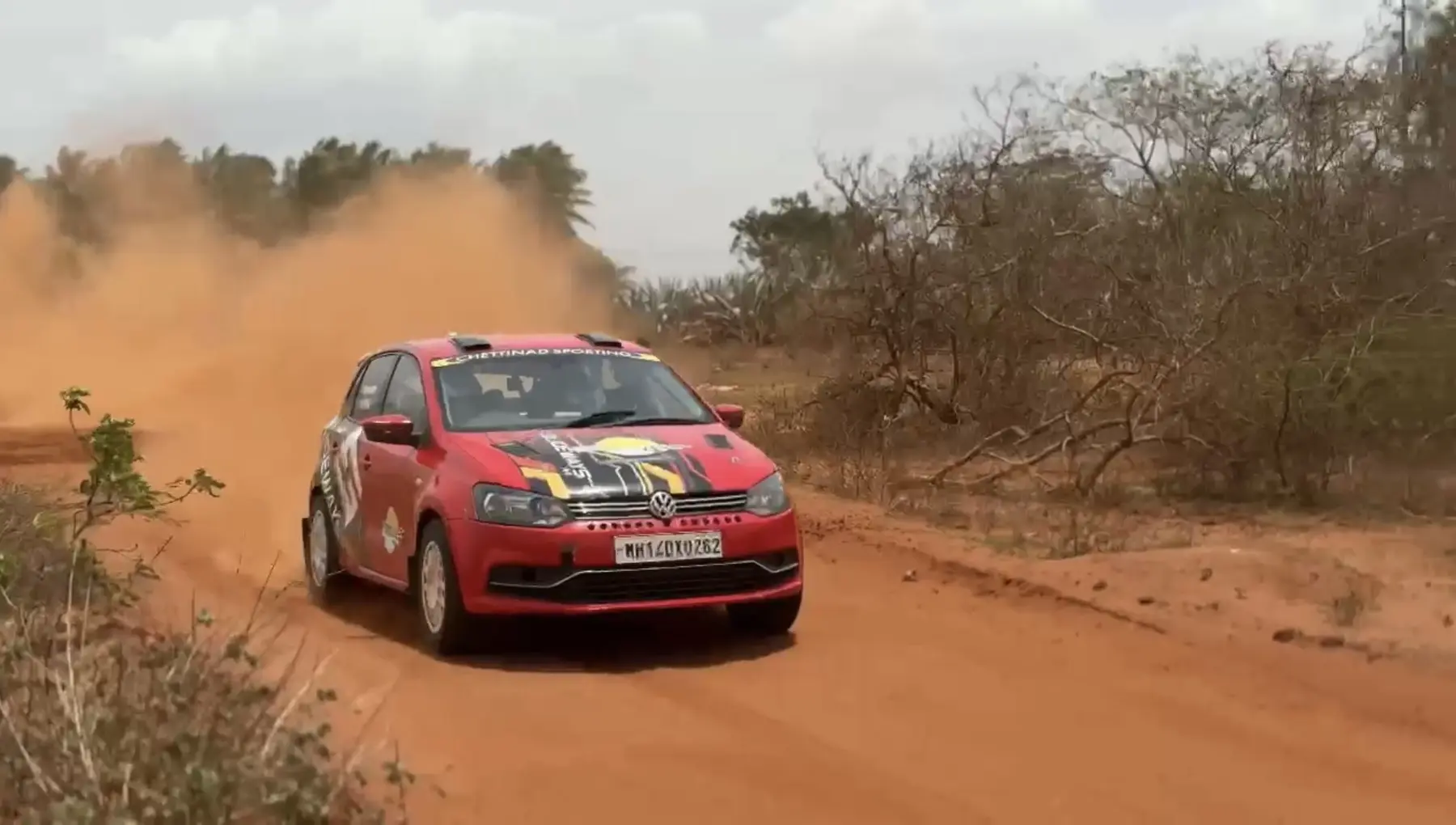
Aditya had spent the previous season in the Peugeot and was back in a Volkswagen Polo for this year’s test, working to find the car’s grip and understand how it wanted to be driven. He was doing that without a navigator beside him, yet his times still matched the top timings being set around him. That made the performance even more striking: he was rebuilding his feel for a different car while carrying the pace of the fastest work on the road.
He also spent time helping Sonakshi, generously sharing the practical details that can make a difficult corner feel more manageable. After working with him, she found considerably more pace. His contribution to the day therefore reached beyond his own runs, adding experience and confidence to a rookie crew finding its rhythm on gravel.
For the people around the car, the return also creates a new reference. Engineers can compare what the driver feels now with what the car is offering after the time away. The driver can understand how the machine has changed and which habits need to be rebuilt. The value grows with every run that adds another piece to the picture.
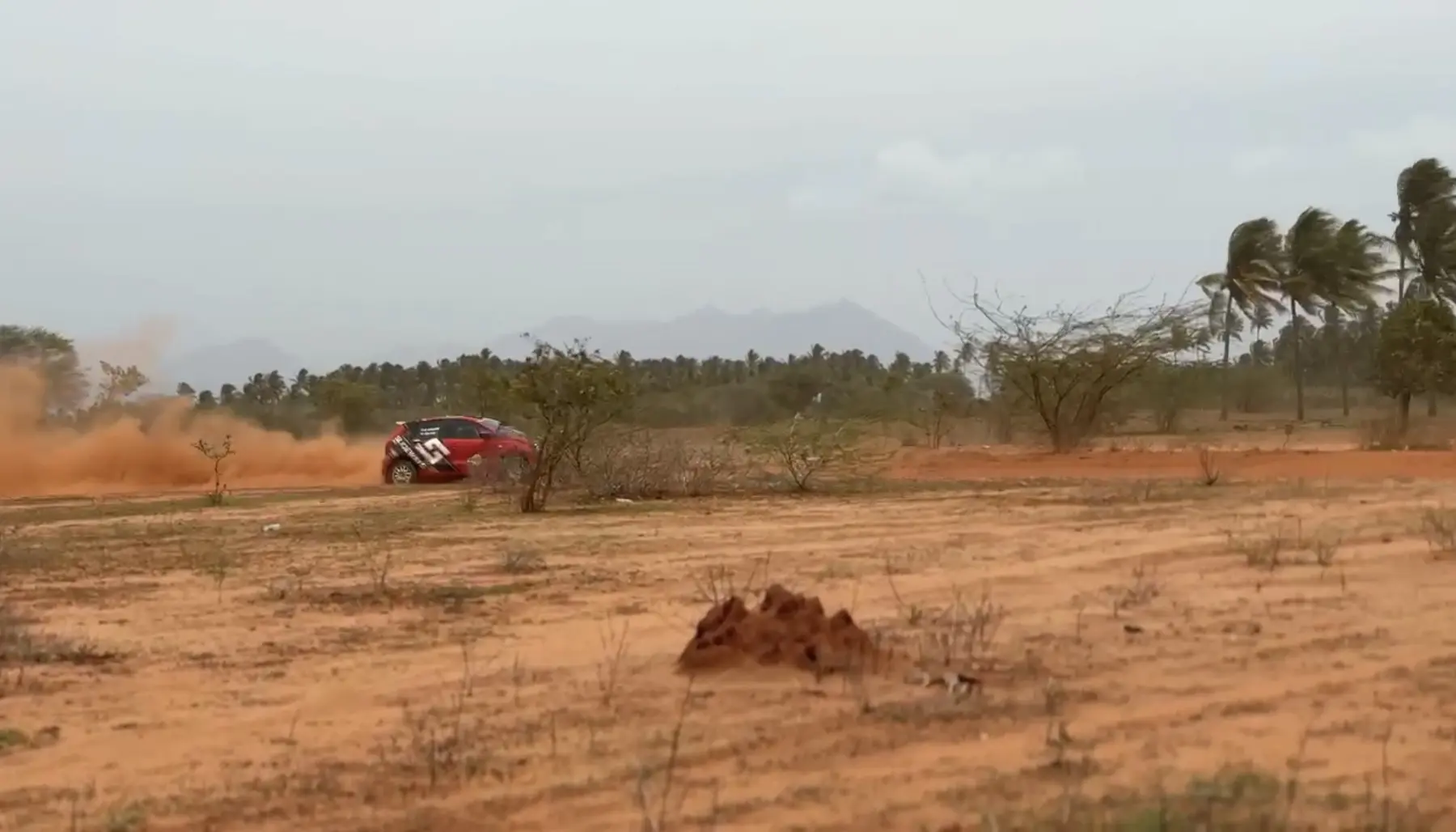
A red Volkswagen approaches through a cloud of red dust during testing.Photograph: Dheeraj Salimath
Arjun Dheerendra: building confidence before the rally
Arjun Dheerendra
Co-driver · Daraius Shroff · Team Slideways Industries
Powered by Chettinad Sporting
Arjun Dheerendra was navigating Daraius Shroff for Team Slideways Industries, powered by Chettinad Sporting. His account of the session is presented here in a polished first-person form, retaining the substance of his feedback while following the day’s work from setup changes to braking, data and pace-note refinement.
The test was an important step in our preparation for the rally. We used the day to work through different setup directions, understand what each change gave us and gather the information that will matter once the competitive stages begin. Every run helped us build a clearer picture of the car.
By the time we finished, we had established a much stronger base setup. The biggest improvement came under braking. The car felt sharper and gave us greater confidence when we asked it to slow down and turn. That feeling is valuable because it gives the crew more certainty to work with as the pace increases.
The data from the session gives the team something useful to work from before the rally. There is still work to do, especially with the pace notes. We need to refine them so they reflect the conditions we are likely to meet and capture the changes we discovered during testing.
It was a productive day for the whole team. Everyone worked well, the car moved in the right direction and we left with real encouragement. The next step is to carry that momentum into the rally and turn the preparation into our best possible performance.
A Peugeot arrives from Europe
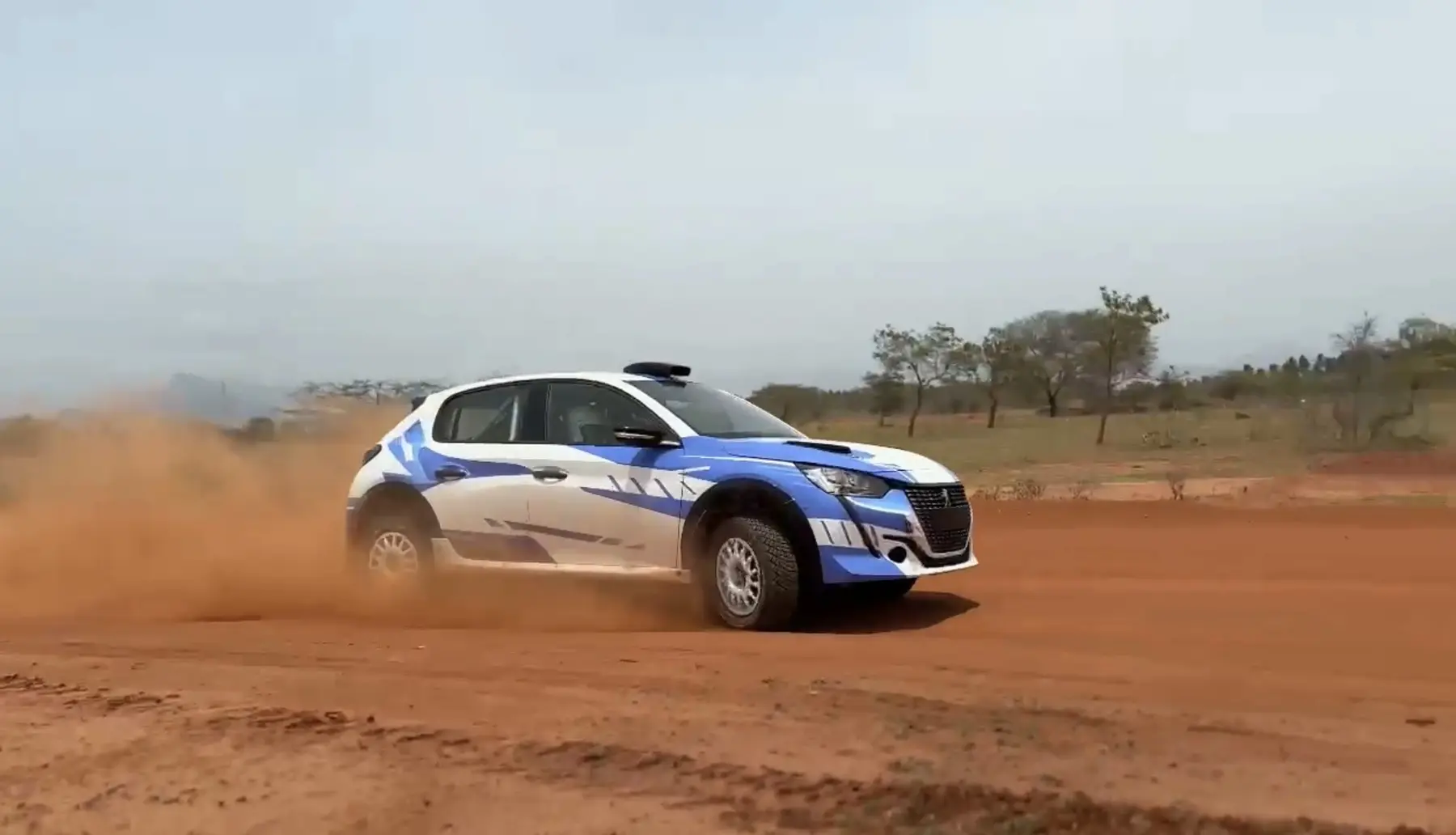
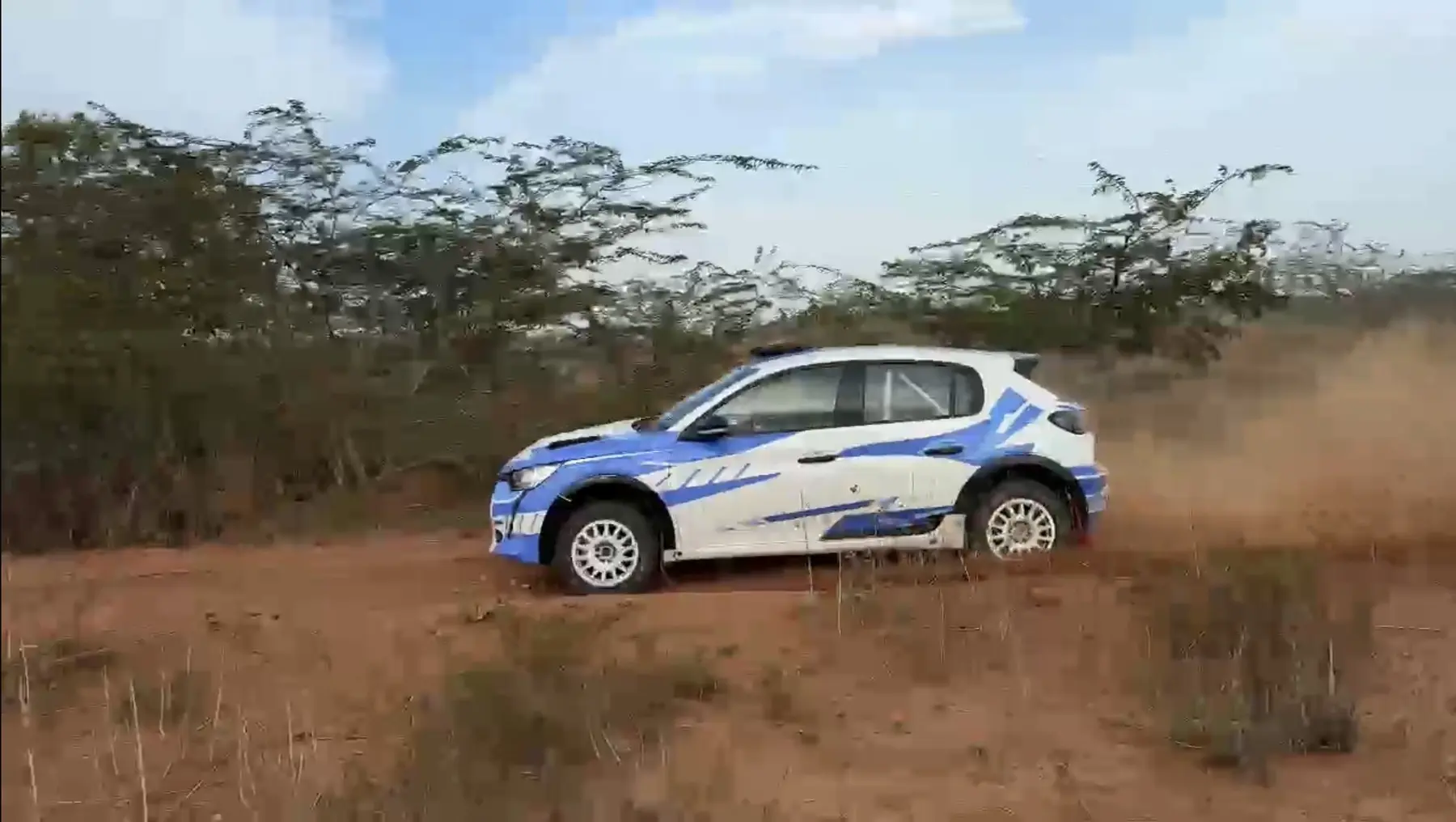
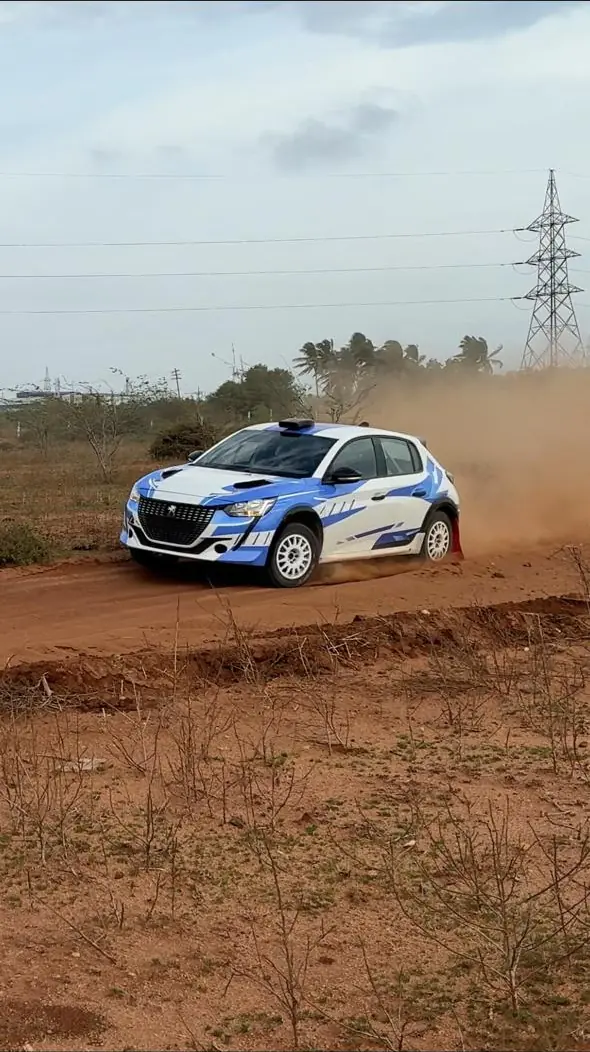
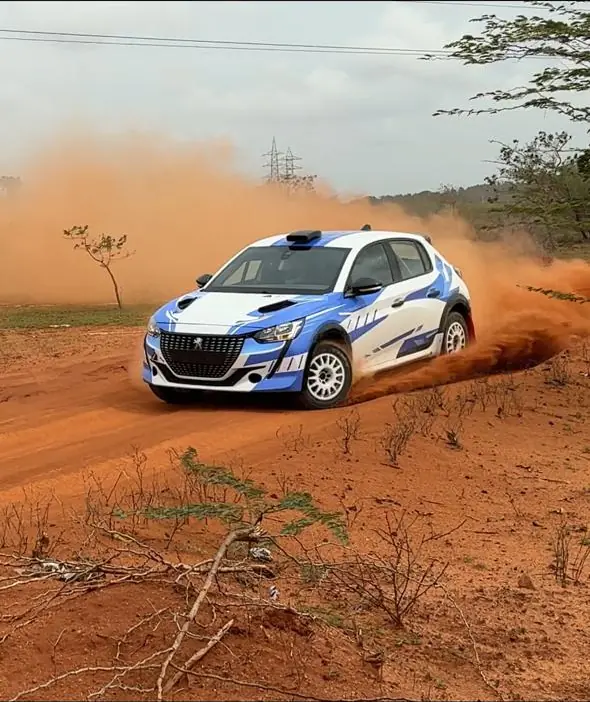
One of the day’s most interesting arrivals was a newly imported Peugeot 208 rally car from Europe. Jason drove the car with veteran navigator PVS Murthy, and the crew spent the day becoming familiar with a machine that carries a different history and a different set of engineering decisions into the Indian paddock.
A new car brings a special kind of work. The driver has to learn what the car wants before asking it for more. The navigator has to understand how the car’s movement changes the rhythm inside the cockpit. Engineers have to listen to feedback and decide which part of the behaviour belongs to the car’s international design and which part needs to be adapted for the local surface.
Watching that process is one of the pleasures of a test day. A car arrives with its identity already formed, then begins to find a place in a new environment. Each run helps the crew understand the balance, the braking, the traction and the way the Peugeot communicates through the gravel. The work is technical, though it is also a conversation between the machine and the people learning it.
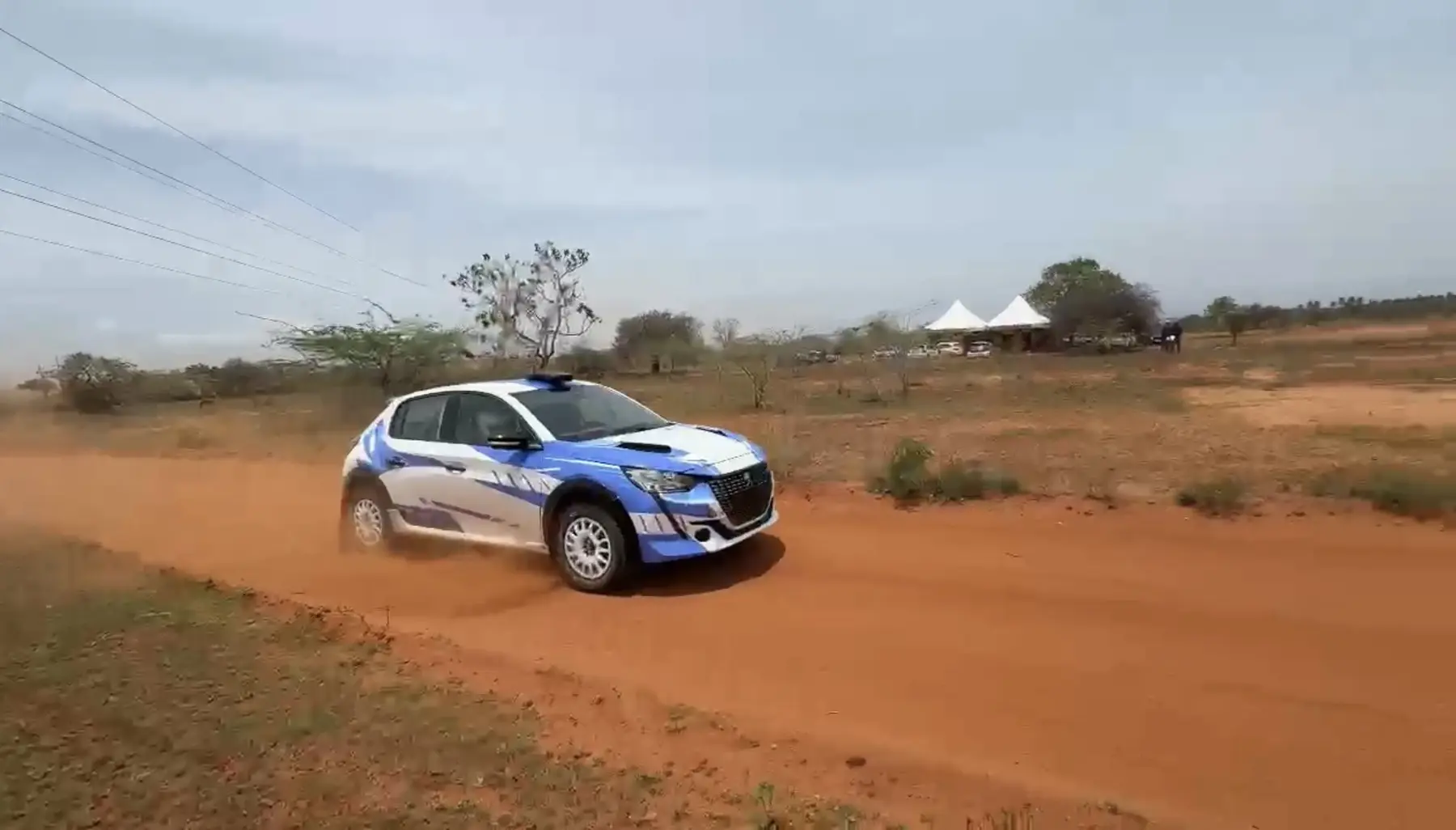
The newly imported Peugeot 208 throws dust through a Coimbatore gravel section.Photograph: Dheeraj Salimath
The Peugeot 208 carries speed through a loose corner during its Indian test running.Photograph: Dheeraj Salimath
The Peugeot 208 moves across the red surface as the crew builds familiarity with the car.Photograph: Dheeraj Salimath
A rally car disappears into the dust as the Coimbatore test runs on.Photograph: Dheeraj Salimath
The paddock is a chain of small conversations
What makes a testing session feel alive is the number of conversations happening at once. A driver explains a corner. A navigator compares two runs. A mechanic checks a fastening. An engineer looks at data. Somebody walks back from the road with a question about a tyre. The car is the centre of the day, though the progress comes from all of those people connecting their observations.
Chettinad Sporting’s role in bringing the session together created a shared working environment for that exchange. Teams could focus on their own programmes while still seeing how other crews approached the same surface. A young driver could learn from a faster car passing through the same corner. An experienced competitor could compare the day’s grip with memories of earlier tests.
This is the part of rallying that spectators rarely get to see. The stage is the public performance, while the test is where the language is developed. It is where a driver learns to describe a sensation, where a navigator learns what information matters to the team and where a mechanic learns what the car is asking for before the rally asks it to prove itself.
When the dust settles, the work travels with the teams
By the end of the Coimbatore session, every team had collected more than kilometres. They had better questions, clearer answers and a stronger sense of what needed to happen next. Some left with a setup that had moved closer to the target. Some left with a fault they were glad to have found. Some left with a driver who had taken another step towards confidence.
For Sonakshi and me, the most important result was the progress we could feel inside the car. The day gave us time to build a shared rhythm and gave the team useful information to carry into the rally preparation. Confidence is never created by a single fast run. It comes from repeating the work until the car, the notes and the decisions begin to connect.
The same idea was visible across the whole test. Arvind Dheerendra’s pace gave his engineers a demanding reference. Aditya Thakur’s return added experience and a new perspective. Jason and PVS Murthy began the process of understanding the Peugeot. Around them, mechanics and tuners kept turning observations into changes.
A final pass through the dust closes a day of development in Coimbatore.Photograph: Dheeraj Salimath
Preparation becomes performance
That is the real meaning of testing. It is its own discipline, with the workshop, the cockpit and the road meeting in one place. It gives the driver a chance to build trust, the navigator a chance to sharpen communication and the team a chance to find the weaknesses that could otherwise decide the weekend.
When the first competitive stage begins, the cars will look ready. The preparation behind them will be harder to see. It will be there in the suspension setting, in the tyre choice, in the repair that was found early, in the pace note that arrives at exactly the right moment and in the confidence of a driver who knows what the car will do when the gravel moves.
The dust eventually settles over the test road, though the work continues. Every team carries its information home. Every crew carries a clearer understanding of the job ahead. When the Coimbatore rally begins, those quiet lessons will become the visible part of the story.
Comments0
Join the ViPeople conversationSign in with Google to comment, like and save stories.Continue with Google